
Prioritize Drainage Holes
The most critical aspect of container gardening is ensuring adequate drainage to prevent root rot. Many store-bought pots lack sufficient holes, leading
to waterlogged soil. For small to medium pots, aim for at least a 1/2-inch diameter drainage hole, and for larger containers, a 1-inch diameter is recommended. If your pots don't have enough, consider drilling additional holes. Contrary to popular belief, adding gravel or shards to the bottom of the pot does not improve drainage and can, in fact, hinder it. Proper drainage is non-negotiable for plant survival, unless you have a plant specifically that thrives in perpetually wet conditions and you possess exceptional watering skills.
Assess Your Light Conditions
Accurately determining the amount of sunlight your container garden receives is vital for plant selection. Many people overestimate sun exposure. To get a precise measurement, place your pot in its intended location and time how long it's directly exposed to sunlight throughout the day. Alternatively, you can utilize online sun calculators to get a reliable estimate. Knowing your light conditions—whether it's full sun, partial shade, or full shade—will significantly increase your chances of choosing plants that will flourish in that specific spot.
Feed Your Growing Plants
Potting soil typically lacks the essential nutrients plants need to thrive, making fertilization a necessity. Incorporating a slow-release fertilizer into your potting mix during planting is an effective method. You can mix it thoroughly in a large batch beforehand or add it directly to the pot. Supplement this with a weekly or bi-weekly application of liquid fertilizer, such as a fish emulsion or seaweed blend, for an immediate nutrient boost. Be aware that synthetic fertilizers, while effective, can deplete beneficial soil organisms essential for organic gardening, requiring continued use once started.
Plan Before You Shop
To avoid impulse buys and potential plant incompatibility, create a list before heading to the nursery. This list should include the number and size of pots you intend to use, their intended locations (sun or shade), and the types of plants that would suit these conditions. Bringing a photo of your pot or even the pot itself can be helpful for nursery staff to offer tailored advice. Plants are usually organized by their light requirements in nurseries, making selection easier once you know what you need.
Choose Compatible Neighbors
When planting multiple species in a single container, ensure they share similar needs for light and moisture. Mismatching requirements will lead to some plants struggling while others thrive. For instance, plants that demand full sun should only be paired with other full-sun enthusiasts. Similarly, avoid combining plants that prefer to dry out between waterings with those that like consistently moist soil. Always consult plant tags or ask nursery staff to confirm a plant's specific needs before making a purchase.
Read and Retain Plant Tags
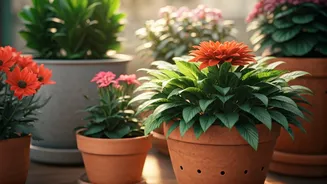
Plant tags are invaluable resources, providing crucial information about a plant's growth habits, mature size, and specific needs for light, water, and nutrients. They also indicate whether a plant is an annual or perennial and its hardiness zone. Pay close attention to the tag's description of the plant's 'habit' – its shape and growth pattern. Understanding this will help you design your container visually, choosing upright varieties for height, mounding types for fullness, and trailing plants to cascade over the edges.
Acclimate Your Plants Gradually
Plants, especially young ones or those recently from a controlled greenhouse environment, can be sensitive to sudden changes in light, temperature, or exposure. Gradually acclimatize them to new conditions over time. This process, known as 'hardening off,' is crucial for seedlings and plants bought in spring. Similarly, plants overwintered indoors will need an adjustment period to adapt to reduced light and drier indoor air before moving them outside.
Maximize Potting Soil Volume
Resist the temptation to fill pots with lightweight, non-soil materials like packing peanuts or plastic bottles. While this can reduce weight, it significantly impacts the soil's ability to retain moisture. Using ample, high-quality potting soil provides a greater buffer against over or under-watering and ensures better nutrient availability for your plants, giving you more leeway in care.
Embrace Plant Loss
It's inevitable that some plants won't make it, even for experienced gardeners. The key is knowing when to let go. In a mixed container, promptly removing a struggling plant prevents the entire arrangement from looking unappealing. You have options: try a drastic pruning to encourage regrowth, or replace the plant entirely. If a plant shows signs of serious disease, remove it immediately to prevent its spread, and consider quarantining or discarding it to protect your other plants.
Garden to Your Lifestyle
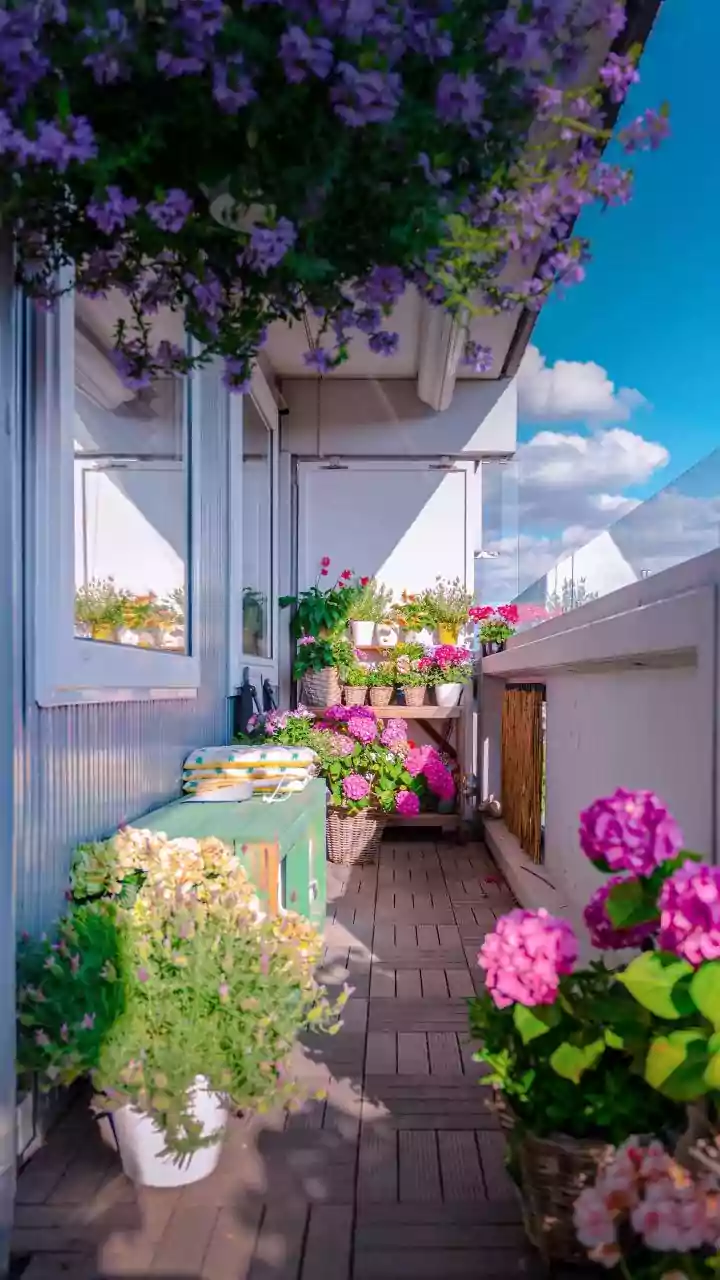
Container gardening demands attention and effort, but it can be tailored to your life. There's no one-size-fits-all solution. Assess your habits: if you dislike frequent watering, opt for succulents or drought-tolerant species. On a budget? Repurpose materials or hunt for bargains. For a formal look, choose large containers with striking plants. With a little research and experimentation, you can create a container garden that perfectly complements your lifestyle and aesthetic preferences, ensuring maximum enjoyment and success.