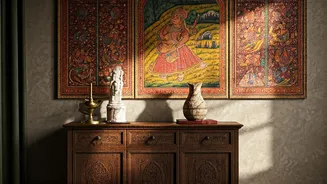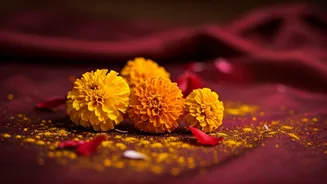




Unveiling Gangaur's Significance
Gangaur stands as one of Rajasthan's most cherished and lively festivals, dedicated to commemorating the sacred bond between Lord Shiva, known as Gan,
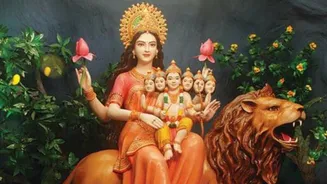
and Goddess Parvati, referred to as Gauri. This auspicious occasion, observed during the Hindu month of Chaitra, typically falling between March and April, heralds the arrival of spring and serves as a powerful symbol of enduring love, profound devotion, and the blessings of a happy married life. The festival holds particular importance for women, who engage in fervent prayers seeking a compatible life partner or the continued well-being and longevity of their husbands. At its core, Gangaur is about celebrating the divine union and the virtues it represents, echoing through households and communities across the state.
Ancient Roots and Evolution
The origins of Gangaur are deeply entwined with ancient Indian traditions and captivating mythology, with a central narrative revolving around Goddess Gauri's unwavering devotion to Lord Shiva. Over countless centuries, this spiritual observance has transformed into a significant cultural spectacle, reflecting timeless values such as love, steadfast fidelity, and the pursuit of prosperity. The festival's historical trajectory showcases its adaptation and integration into the cultural fabric of Rajasthan, becoming a cherished expression of these deeply held beliefs and aspirations, passed down through generations.
Timing and Duration
The festive period of Gangaur commences precisely on the first day of the Hindu lunar month of Chaitra, immediately following the boisterous celebrations of Holi. This vibrant festival stretches for a duration of approximately 16 to 18 days, serving as a distinct marker that signifies the receding of winter's chill and the warm embrace of spring. This extended observance allows for the full immersion in the rituals and the spirit of renewal that the season brings, culminating in the festival's grand finale.
Processions and Cultural Display
A truly captivating highlight of the Gangaur festival is its magnificent processions, most notably witnessed in the bustling city of Jaipur. During these grand parades, intricately decorated idols representing Gan and Gauri are reverently carried through the streets, often placed in ornate palanquins. These processions are brought to life by the energetic performances of folk artists and the resonant melodies of traditional music, providing a spectacular showcase of Rajasthan's rich and diverse cultural heritage. It's a visual and auditory feast that draws large crowds and embodies the collective spirit of celebration.
Rituals and Devotion
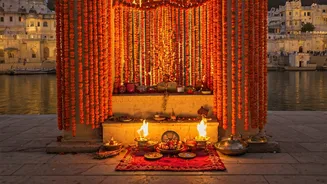
Central to the Gangaur observances are the detailed rituals performed by women. They meticulously worship clay effigies of Gan and Gauri, adorning them with vibrant decorations and jewelry. This devotional practice is accompanied by the singing of traditional songs that echo the festival's themes. Women also apply intricate mehendi designs on their hands, a customary practice symbolizing auspiciousness and beauty. Unmarried girls participate with the earnest hope of finding an ideal husband, while married women offer prayers for the long life and prosperity of their spouses, underscoring the festival's deep connection to marital well-being.
Symbolism and Renewal
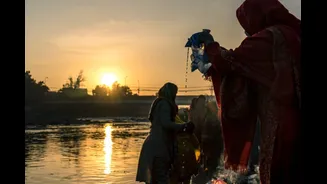
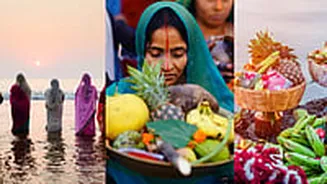
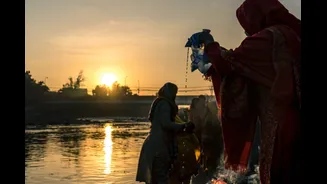
Gangaur is a profound expression of devotion, fertility, and the joyous welcoming of spring. The festival's culmination involves the ritual immersion of the idols, typically in a body of water. This act symbolizes the poignant departure of Goddess Gauri as she returns to her celestial abode. While marking an emotional farewell, this immersion also signifies a powerful renewal of life and the cyclical nature of existence, preparing for the next cycle of festivities and the continuation of life's vibrant tapestry.