




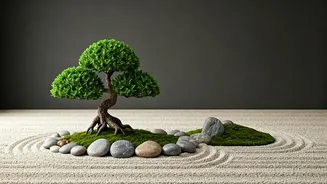


Wabi-Sabi: Embrace Imperfection
Wabi-sabi is the art of finding beauty in imperfection and impermanence. It encourages appreciating the natural flaws and aging process. Think of the cracked
pottery repaired with gold, or the slightly weathered wooden door. Wabi-sabi emphasizes the beauty in things that are incomplete, impermanent, and modest. By accepting imperfections, we release the pressure to be perfect and find contentment. It's a reminder that true beauty lies in the authentic, the aged, and the imperfect. Applying Wabi-sabi means embracing the uniqueness of things, finding joy in simplicity, and acknowledging the natural cycle of life. This can apply to anything from your physical space to your mindset. For instance, appreciating a slightly worn piece of furniture or accepting the changes in your body with grace exemplifies the wabi-sabi principle.
Kaizen: Constant Improvement
Kaizen, a cornerstone of Japanese business philosophy, translates to "good change." This principle revolves around the idea of continuous improvement, not massive overhauls. The emphasis is on making small, incremental changes every day. Rather than aiming for immediate perfection, Kaizen encourages small steps. This could be learning a new skill for a few minutes daily, tidying a small area of your home, or taking a moment to reflect on your day. The beauty of Kaizen is its simplicity; small consistent efforts accumulate over time, leading to significant results. It makes self-improvement accessible and less overwhelming. By embracing Kaizen, you build momentum and create positive habits without the pressure of needing drastic changes. This helps you to stay focused and motivated on your journey of personal development.
Ikigai: Your Reason for Being
Ikigai is a Japanese concept for finding joy and purpose in life. It's about discovering your reason for being and what makes you wake up each morning with enthusiasm. Ikigai is found at the intersection of what you love, what you're good at, what the world needs, and what you can be paid for. Identifying your Ikigai takes self-reflection and exploration. It’s not about finding a single 'perfect' purpose but understanding your passions, talents, and values. This could mean engaging in activities that bring you joy, contributing to your community, and finding a meaningful career. It is about discovering what truly matters to you. Living with Ikigai gives your life direction and provides a strong sense of purpose. This philosophy encourages a mindful approach to life, inspiring you to live fully each day.
Omoiyari: Thoughtful Empathy
Omoiyari is a unique Japanese concept of empathy and considerate behavior. It is about anticipating the needs and feelings of others and acting accordingly, often without being asked. It goes beyond simple kindness. Omoiyari involves putting yourself in someone else's shoes, understanding their perspective, and acting with compassion and thoughtfulness. This might mean offering assistance, showing support, or making decisions that prioritize the well-being of others. It is about being mindful of how your actions impact those around you. Omoiyari promotes a harmonious society. It encourages respect, consideration, and positive interactions. Cultivating omoiyari can improve your relationships, build strong communities, and enhance your overall well-being. Practicing omoiyari also involves acknowledging and responding to the non-verbal cues and unstated needs of others.
Ma: Embrace the Pause
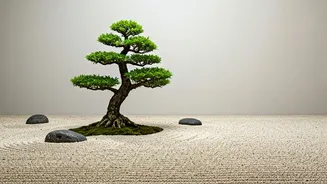
Ma is a Japanese concept that values the space between things. It is about appreciating the pause, the void, or the silence, and recognizing its importance. It is about appreciating the intervals between notes in music, the empty space in a painting, or the pause in a conversation. Ma acknowledges that these empty spaces are not simply absences; they are essential for creating meaning, context, and beauty. Ma suggests that this "emptiness" is full of potential. Embracing ma can mean taking breaks between tasks to improve productivity, creating breathing space in your home to reduce clutter and stress, or simply allowing yourself moments of quiet reflection. By recognizing the value of the pause, you can cultivate mindfulness and find a deeper appreciation for life’s moments.
Shikata Ga Nai: Acceptance
Shikata ga nai translates to “it can’t be helped” or “it is what it is”. It embodies acceptance of what is beyond your control. It isn't about resignation or giving up. Instead, it's about accepting things you cannot change, focusing on the present moment, and finding solutions for what can be addressed. This mindset is useful for navigating difficult situations and avoiding unnecessary stress. When facing a situation beyond your control, Shikata ga nai prompts you to shift your focus from what you cannot influence to what you can. You can learn from challenges and move forward with resilience. Accepting the inevitable frees up mental energy. This also prevents you from wasting time and energy on things that are out of your sphere of influence. The adoption of Shikata ga nai encourages a calmer, more mindful approach to life's inevitable ups and downs.
Omoiyari: More on Kindness
Omoiyari encourages thoughtful consideration and anticipation of others' needs. It goes beyond simple politeness. Practicing Omoiyari involves actively trying to understand another person's perspective. It motivates you to act with kindness and provide support when it is needed, often without expecting a reward. To cultivate Omoiyari, observe the non-verbal cues of others and ask yourself how you can help. It is about being sensitive to the feelings of others and offering assistance when needed. This philosophy promotes strong relationships and a more supportive community. It cultivates empathy, respect, and a genuine desire to uplift others. Incorporating Omoiyari into your daily life can help to strengthen your relationships and contribute to a more harmonious environment for everyone.