



Early Parisian Salons
The concept of presenting clothing to an audience began not on a grand stage, but within the intimate confines of Parisian salons during the 1800s. Pioneering
designer Charles Frederick Worth is credited with initiating these early displays. He would have models personally wear his creations for his affluent clientele within his establishment. These private viewings served as the nascent form of what we now recognize as fashion shows, offering a direct and personal way for discerning customers to experience new designs and fabrics.
Haute Couture's Theatrical Debut
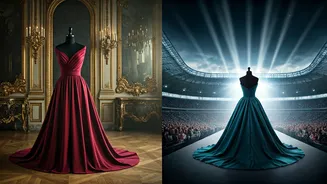
As the 20th century dawned, haute couture houses in Paris began to elevate these presentations into more elaborate affairs. Designers like Paul Poiret were instrumental in this shift, transforming simple showings into engaging spectacles. These events incorporated elements of performance, featuring music and meticulously crafted themed settings. The aim was to create a more dramatic and memorable experience for both fashion buyers and the exclusive circle of elite clients, infusing the presentations with an artistic and theatrical flair that set a new precedent.
American Style Emerges
Meanwhile, across the Atlantic, fashion shows were also starting to gain traction in the United States during the early 20th century. Department stores played a significant role in this development, organizing their own 'fashion parades.' These events were designed to draw in shoppers and showcase the latest trends and styles that were often imported from Europe. They served as a vital tool for retailers to highlight new merchandise and influence consumer tastes, effectively bringing European fashion consciousness to a wider American audience.
The Dawn of Fashion Weeks
A pivotal moment in the evolution of the runway arrived in 1943 with the establishment of New York Fashion Week. This groundbreaking event emerged during World War II, a period when designers and fashion professionals were unable to travel to Paris for its traditional shows. The creation of a dedicated week for American designers to present their collections was a significant step, fostering a burgeoning domestic fashion industry and solidifying New York's place as a global fashion capital. It marked the beginning of a more organized and recognized calendar for fashion presentations.
The Supermodel Era's Impact
The 1990s witnessed the runway ascend to a new level of global prominence, largely propelled by the phenomenon of the supermodel. Icons such as Naomi Campbell and Cindy Crawford became household names, gracing fashion weeks worldwide and commanding immense media attention. Their star power amplified the visibility of runway shows exponentially, transforming them into highly anticipated cultural events that captured the public imagination and solidified the runway's place in popular culture.
Contemporary Artistic Spectacles
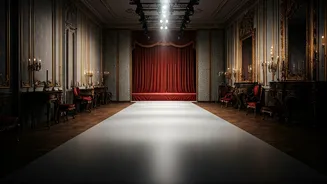
Today's runway shows have evolved into sophisticated, immersive experiences that transcend mere clothing display. Designers now leverage elaborate sets, innovative staging, and compelling narratives to create breathtaking artistic performances. Brands are renowned for transforming fashion presentations into elaborate productions, employing a blend of artistry and technology to tell stories and evoke emotions. These contemporary shows are often described as dramatic and imaginative, pushing the boundaries of what a fashion presentation can be and solidifying its role as a powerful medium for creative expression.