


Softening Modern Layouts
In contemporary home design, especially in open-plan layouts, the way one navigates a room is as crucial as its visual appeal. A round table significantly
enhances this flow. Unlike their angular counterparts, round tables eliminate sharp corners, allowing for smoother, more natural movement around the space. This creates a visually gentle transition, preventing the disruption that rectangular or square tables can introduce, particularly in areas where dining zones are integrated with living or drawing rooms. The absence of harsh edges makes the entire area feel more connected and less compartmentalized, contributing to an overall sense of spaciousness and ease of access. This design choice is particularly effective in optimizing smaller or irregularly shaped dining nooks that might otherwise feel cramped.
The Psychology of Equality
The shape of a table profoundly influences the social dynamics within a room. Rectangular tables often instinctively establish a 'head of the table' position, which can subtly imply a hierarchy, even in informal settings. A circular table, however, fundamentally alters this perception. By removing any designated head position, it places every individual on an equal footing, fostering a more relaxed and open conversational environment. The design encourages natural interaction as all seats face inward, making it easier for participants to engage with everyone present. This visual parity promotes inclusivity, ensuring that conversations remain collective rather than splintering into smaller, exclusive dialogues. The inherent softness of curved lines also contributes to a calmer visual ambiance, contrasting with the potential for tension that sharp corners can evoke.
Optimizing Compact Spaces
Many modern floor plans feature dining areas that are integrated into living rooms, sometimes tucked into corners. In such scenarios, a rectangular table can feel obtrusive, particularly at its corners, making the area seem constrained. A round table offers an elegant solution by softening the spatial feel and improving circulation. Its lack of sharp edges allows people to move around it with greater freedom, and chairs can be slid out more easily without obstruction. This is a significant advantage in tight spaces where navigating past a pointed corner can be awkward. Furthermore, round tables often feature pedestal bases, which visually lighten the space by replacing four distinct legs with a single central support. This creates an illusion of more open floor area, making the dining spot feel less crowded and more user-friendly, and can effectively transform underutilized corners into functional and attractive dining zones.
2026 Materiality and Texture
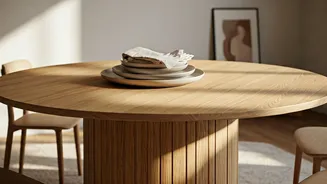
The emerging design aesthetic for 2026 leans towards softer, more organic forms and textures, with round tables perfectly embodying this trend. Straight lines are gradually being replaced by shapes and materials that echo nature. Natural stone, particularly honed travertine, is gaining popularity for its subtle texture and warm, earthy tones. Wood finishes are also evolving, with charred wood treatments, inspired by the Japanese Shou Sugi Ban technique, offering a rich, smoky depth. Sustainable options like recycled glass composites are also noteworthy for their understated texture and environmental credentials. Beyond the primary material, details like bullnose edges, which provide a smooth, curved finish, and fluted pedestal bases add subtle tactile interest. The prevailing colour palette remains grounded and serene, featuring soft terracotta, muted sage greens, warm butter yellows, and light sand and stone shades, harmonizing with the tactile qualities of the tables.
Harmonizing with Modern Furnishings
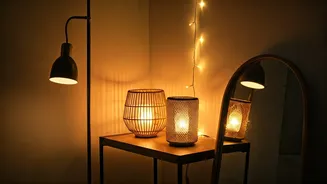
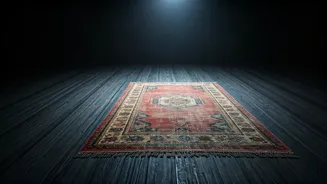
Round tables integrate seamlessly with the prevailing design trends of 2026, particularly complementing the rise of curved sofas and modular seating. The interplay of rounded forms between the table and seating creates a cohesive and relaxed interior aesthetic. This visual harmony fosters an environment that feels both natural and comfortable, suitable for a variety of activities from dining to casual work. To further enhance the space, consider placing a circular rug beneath the table to echo its shape, or using a large rectangular rug for a striking contrast that clearly defines the dining area. Overhead, a statement pendant light, such as a paper lantern or a dome-shaped fixture suspended directly above the table, acts as a visual anchor, creating an intimate pool of light. Centrepieces should remain low and unobtrusive, like a sculptural branch or a simple fruit bowl, to facilitate unobstructed conversation and maintain clear sightlines.