




Understanding Early Puberty
Puberty is a natural developmental phase, but its onset is shifting earlier for girls, raising concerns for many parents. While biological factors play
a role, emerging research points towards environmental influences, particularly diet, as significant contributors. This earlier transition, scientifically termed precocious puberty, is associated with potential emotional difficulties, increased likelihood of weight issues, and even elevated risks for certain long-term health complications. The body's intricate hormonal system, responsible for initiating puberty, is influenced by a complex interplay of elements including body fat percentage, insulin regulation, and overall nutritional intake. Therefore, understanding how the foods we consume might affect these internal signals is crucial for supporting healthy development in young girls during this sensitive period.
Whole Foods for Balance
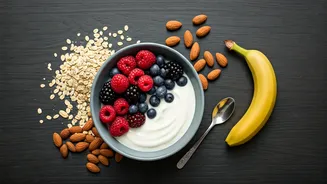
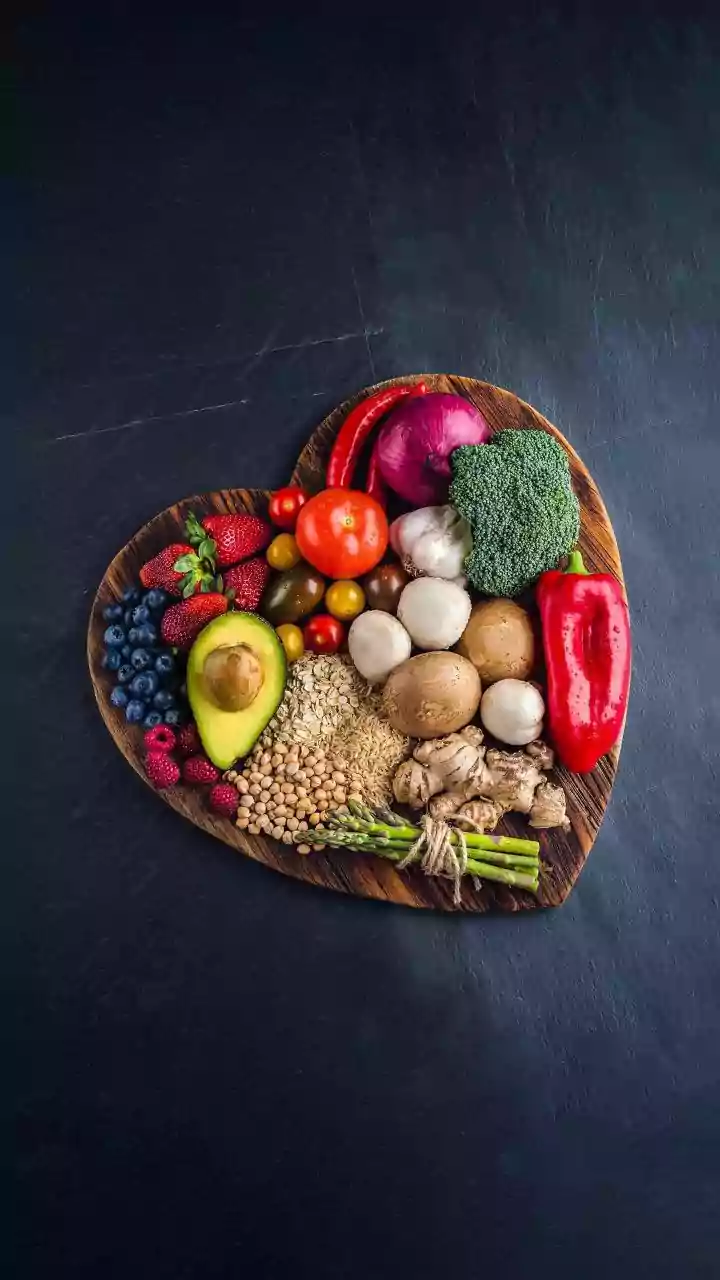
Prioritizing unprocessed, whole foods forms the bedrock of a diet that supports healthy growth and stable hormone levels. Focusing meals around complex carbohydrates like whole wheat rotis, brown rice, oats, and various millets provides sustained energy release, which is key to maintaining balanced blood sugar. This steady energy flow helps prevent sharp insulin spikes, a factor that can influence hormonal activity related to puberty. Incorporating a vibrant array of seasonal fruits and vegetables, such as leafy greens, carrots, pumpkins, apples, and citrus fruits, is essential. These plant-based powerhouses are rich in dietary fiber and vital micronutrients, contributing to better metabolic health and overall well-being. Studies have indicated a correlation between higher consumption of plant-based foods and improved metabolic profiles in children, underscoring their importance in a balanced diet.
Protein and Healthy Fats
Adequate protein intake is fundamental for supporting a child's growth and facilitating tissue repair, making it an indispensable component of their diet. Everyday, accessible sources of protein such as lentils (dal), chickpeas (chana), kidney beans (rajma), paneer, eggs, yogurt (curd), nuts, and seeds are more than sufficient to meet these needs without requiring specialized or fancy supplements. Similarly, incorporating healthy fats in moderation is beneficial. A small serving of nuts and seeds, alongside traditional cooking oils, provides essential fatty acids that play a crucial role in hormone synthesis. These fats contribute to the body's hormonal processes without excessively increasing calorie intake, thus promoting a balanced approach to nutrition.
The Pitfalls of Processed Foods
In today's world, children are constantly exposed to appealing advertisements and social media content that promote packaged and processed foods. While strict dietary restrictions can sometimes backfire, establishing consistent, healthy family eating habits is far more effective in the long run. It's important to limit sugary beverages and excessive sweets, as high sugar consumption can elevate insulin levels, potentially influencing earlier hormonal shifts. Ultra-processed items like chips, instant noodles, biscuits, and ready-to-eat meals, though convenient, are often associated with weight gain and poor nutritional value. Fast food can be an occasional indulgence, but frequent reliance on it can lead to excessive calorie intake and rapid weight gain. Opting for fresh produce over processed meats and choosing plain milk or yogurt over flavored, sweetened versions are also significant steps toward healthier eating patterns.
Lifestyle's Crucial Role
Beyond just food, a holistic approach to a child's well-being is paramount for supporting healthy development. Integrating daily physical activity and outdoor play into a child's routine is as vital as their diet. Adequate sleep is another critical factor, as it plays a significant role in hormone regulation and overall bodily functions. Maintaining consistent meal timings throughout the day helps establish regular eating patterns, further supporting the body's natural rhythms. Moreover, ensuring a child maintains a healthy weight appropriate for their age is essential. These lifestyle elements, combined with a balanced, home-cooked diet, create a supportive environment for a child's natural growth trajectory, laying a robust foundation for long-term health and well-being.