
Protein's Crucial Role
Protein is the fundamental building block for muscle repair and growth, especially after a strenuous workout. During exercise, muscle fibers undergo microscopic
damage. Protein intake is pivotal because it provides the amino acids necessary for rebuilding and strengthening these damaged fibers. The speed at which you consume protein after your workout has a significant influence. It's often recommended that protein is consumed within a window of time post-exercise, often cited as 30-45 minutes. Consuming protein during this period is believed to be the most advantageous time for muscle recovery and adaptation. Timing is not just critical; choosing the right protein sources also matters. Opting for high-quality proteins ensures your body receives the optimal nutrients needed for effective recovery and muscle development.
Timing Your Intake
The so-called ‘golden hour’ for protein consumption has been a topic of interest among fitness enthusiasts and researchers. The general consensus is to consume protein within 30 to 45 minutes after completing your workout. This time frame is generally considered the optimal period to replenish the body's protein stores. Some research suggests that the benefits of this immediate consumption may diminish outside this window, while other studies have indicated that the specific timing might be less critical. However, the prevailing advice is to stick within this recommended window. This approach supports that your muscles are most receptive to absorbing nutrients immediately following exercise. Regardless of the exact timing, the consistent intake of protein remains important. This consistency ensures the body is consistently provided with the necessary components to repair and rebuild muscle tissue effectively.
Best Protein Sources
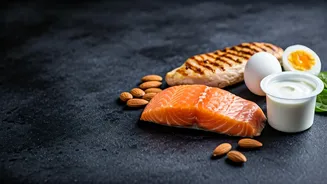
Selecting the right foods is key to optimizing post-workout recovery. Excellent options include lean meats such as chicken or turkey breast, which are rich in protein and low in unhealthy fats. Eggs also are an incredible source of protein. Dairy products, like Greek yogurt, are an easy protein choice; they also give you calcium and other nutrients. Plant-based sources like lentils and chickpeas are also useful and beneficial sources of protein, especially if you are vegetarian or vegan. The selection of foods should not only focus on the protein content but also consider the overall nutritional value. Prioritizing whole, unprocessed foods will ensure your body receives essential vitamins, minerals, and other nutrients needed to recover and function optimally. Supplementing with protein powders can also be an alternative, particularly for those who struggle to eat solid food immediately after exercise. They also offer a quick and convenient way to get protein.
Practical Nutrition Tips
Incorporating protein into your post-workout regimen can be straightforward and tasty. For convenience, prepare protein-rich snacks like a protein shake made with protein powder, milk, and fruit. You can also prepare a quick meal of grilled chicken or fish with a side of vegetables. Another option includes Greek yogurt with berries and nuts. Aim to customize your post-workout meals and snacks based on your individual needs, preferences, and workout intensity. Stay hydrated by drinking plenty of water, as hydration is equally important to protein intake for recovery. Listening to your body and adjusting your diet accordingly is crucial. Proper post-workout nutrition will improve your results and make it a sustainable part of your overall fitness journey. Eating nutritious food will not only help you recover but also boost your overall health.