




Project Elephant's Vision
India is a global leader in Asian elephant conservation, housing over half of the world's wild population. The nation's approach, spearheaded by Project
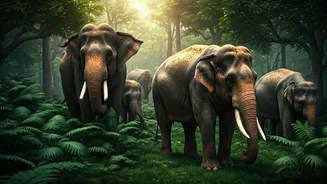
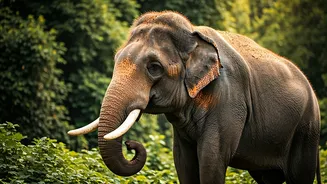
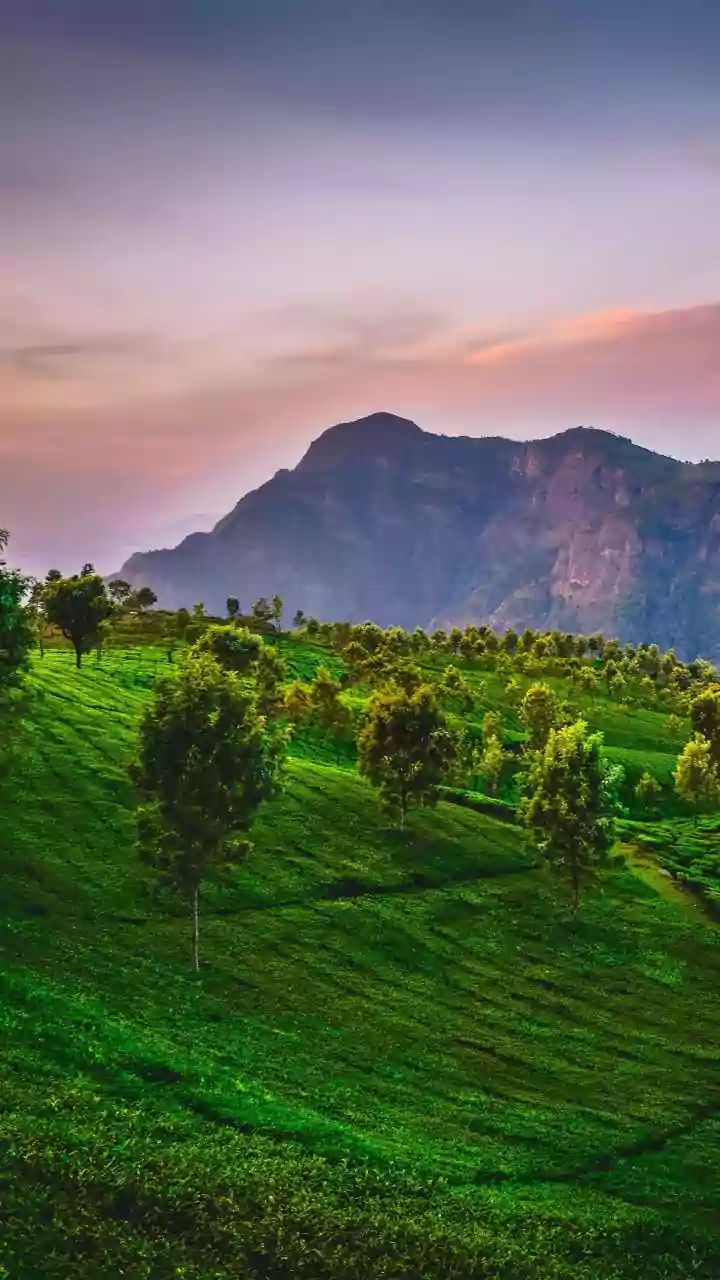
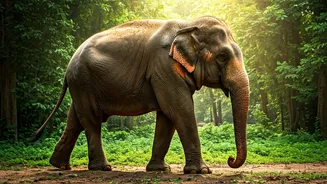
Elephant, emphasizes safeguarding vast elephant corridors and entire landscapes rather than confining efforts to isolated parks. This strategy is paramount for ensuring the long-term survival of these gentle giants by protecting their migratory routes and fostering harmony with human communities. Initiatives like the Gaj Utsav highlight these extensive conservation areas, such as the Nilgiri and Eastern Dooars landscapes, showcasing a dedicated, long-term commitment to reducing human-elephant conflict and preserving the natural habitats essential for these magnificent animals. This holistic approach ensures that elephants can roam freely across vast territories, maintaining their ecological roles and ensuring their populations flourish.
Kaziranga's Diverse Ecosystems
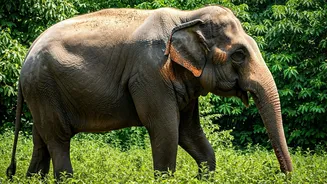
Renowned globally for its substantial population of one-horned rhinoceros, Kaziranga National Park is also a significant sanctuary for wild elephants. The park's expansive floodplains and verdant grasslands provide an ideal environment for these large mammals. Visitors on grassland safaris frequently have the extraordinary opportunity to observe herds of elephants traversing the landscape, often seen moving gracefully through the waterlogged plains, especially during the monsoon season. The park's rich biodiversity extends beyond elephants and rhinos, creating a dynamic ecosystem where various species coexist. Kaziranga's commitment to wildlife preservation makes it a compelling destination for those seeking to witness India's natural heritage and the impressive presence of its elephant inhabitants in a truly spectacular setting.
Mudumalai's Crucial Corridor
Nestled at the strategic convergence of Tamil Nadu, Kerala, and Karnataka, the Mudumalai Tiger Reserve stands as a critical link within an essential elephant corridor. This vital geographical position allows elephants to move freely between these states, facilitating genetic diversity and maintaining healthy populations. Forest drives through Mudumalai's varied terrain, from dry deciduous forests to moist deciduous patches, often reward visitors with sightings of sizable elephant herds. The reserve's diverse topography and rich flora support a thriving ecosystem, making it a prime location for observing these majestic creatures in their natural environment. Mudumalai's significance in elephant conservation underscores its importance as a travel destination for wildlife enthusiasts.
Nagarhole's Forested Realms
As an integral part of the expansive Nilgiri Biosphere Reserve, Nagarhole National Park is characterized by its dense forests and the presence of numerous river systems, which collectively nurture robust elephant herds. The park's topography, featuring a mix of moist and dry deciduous forests, interspersed with grassy clearings and water bodies, provides an abundant habitat for these animals. Both jeep safaris and serene boat safaris along the Kabini River offer exceptional chances to observe elephants in their undisturbed natural setting. These safaris allow visitors to witness herds grazing, bathing, or moving through the lush vegetation, offering an intimate glimpse into their daily lives and the vibrant ecosystem that supports them.
Periyar's Lakeside Giants
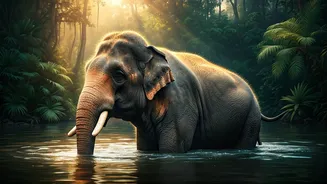
Located amidst the breathtaking Western Ghats in Kerala, the Periyar Tiger Reserve is celebrated as one of the premier destinations for spotting wild elephants, particularly near its serene and expansive lake. The reserve's unique landscape, dominated by deciduous forests and grasslands surrounding the Periyar Lake, creates a natural gathering point for elephants. Boat safaris on the lake are a particularly rewarding experience, often revealing herds of elephants coming down to the water's edge to drink and bathe, set against a backdrop of rich forest scenery and diverse wildlife. This picturesque setting, combined with the high probability of elephant sightings, makes Periyar a truly unforgettable wildlife sanctuary.
Corbett's Historic Grounds
India's very first national park, Corbett National Park, extends its protective embrace not only to the iconic tiger but also to a healthy population of wild elephants. The park's diverse terrain, encompassing riverine forests and expansive grasslands, provides ample resources and suitable habitats for these large mammals. Elephant sightings are particularly frequent in well-known zones like Dhikala, where the landscape offers open vistas ideal for observing herds as they forage and move through their environment. Corbett's historical significance in conservation, coupled with its thriving elephant population, makes it a crucial destination for experiencing India's rich biodiversity and its commitment to protecting its wildlife heritage.