


Prep is Key
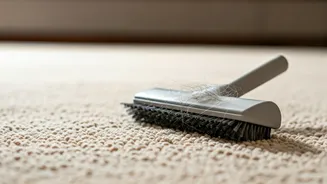
Before you even think about water and cleaner, the most crucial step in achieving truly clean floors is thorough preparation. Experts strongly advise starting
with a broom or vacuum to meticulously remove all loose debris, such as crumbs, pet hair, and dust bunnies. This preliminary step is non-negotiable because a wet mop simply isn't designed to magically lift these larger particles. Instead, attempting to mop without sweeping first will inevitably lead to dragging these unsightly bits across your floor, effectively smearing them and embedding them into the surface. This wasted effort results in a dull, gritty finish that makes it seem as though you haven't cleaned at all, undermining the entire purpose of your mopping session. Therefore, dedicate time to this foundational step to ensure your mop can effectively tackle the remaining grime without obstruction.
Cleaner Dilution Wisdom
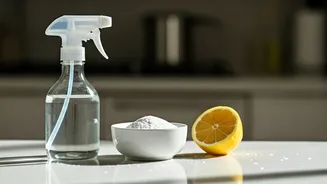
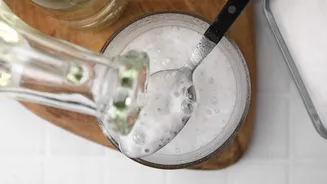
A common misstep that leaves floors feeling sticky and attract dust is the overuse of cleaning solution. Many believe that more cleaner equates to a more powerful clean, but this is a misconception. Professionals recommend using cleaning agents judiciously; for instance, one expert suggests using merely 1/8 of a cup of strong cleaner for a bucket of water. The goal is to achieve a sparkling finish, not a sticky, syrup-like residue that quickly traps dirt, footprints, and pet fur. This sticky film makes your floors appear dull and can even create a slick surface. By employing a minimal yet effective amount of cleaner, you ensure that the mop is lifting dirt rather than spreading a sticky film that will inevitably attract more grime, thus extending the time between actual deep cleans.
Water Refresh Strategy
The state of your mop water significantly impacts the effectiveness of your cleaning. A critical practice, endorsed by cleaning experts, is to monitor the condition of your mop water throughout the cleaning process. If the water begins to appear murky or 'swampy,' it is a clear indicator that it has absorbed a substantial amount of dirt and grime from your floors. Continuing to mop with dirty water is counterproductive, as you will essentially be redistributing the very dirt you are trying to remove. To achieve the cleanest possible results, it is imperative to change out the dirty water for fresh water as soon as it shows signs of contamination. This simple yet vital step ensures that your mop is consistently working to lift dirt from the floor, rather than just pushing it around.
Strategic Section Mopping
To prevent dirt from setting and to maintain focus during your cleaning routine, experts advocate for mopping your floors in distinct sections. This methodical approach ensures that you can thoroughly address each area before moving on, allowing you to spot and remove any lingering debris before it has a chance to dry onto the surface. By working in manageable segments, you gain better control over the cleaning process, ensuring no spot is missed and that you can effectively tackle any stubborn gunk that emerges. This systematic technique also aids in preventing the mop from becoming overloaded with dirt, as you can more easily manage the water changes and maintain a cleaner mop head throughout the entire operation, leading to a more uniform and satisfactory clean.
The Figure-Eight Technique
Beyond the general approach, the specific motion used while mopping can greatly enhance its effectiveness. One highly recommended technique is the figure-eight motion, which offers several advantages over simply moving the mop in straight lines. This continuous, overlapping pattern allows the mop to cover a larger surface area more efficiently. It also facilitates easier access to corners and edges, areas often missed with linear strokes. Furthermore, this method is less physically taxing on your arms and back, making the entire mopping process less tiring and more sustainable. By employing this dynamic movement, you ensure a more thorough and even clean, lifting more dirt and minimizing the chances of leaving streaks or missed spots.
Wise Mopping Choices
When it comes to selecting the right tools and frequency for cleaning your floors, certain considerations can prevent damage and ensure longevity. Professional cleaners advise against using steam mops on most types of flooring, with the exception of tile. The high heat generated by steam mops can potentially damage the finish or the material of non-tile surfaces, leading to irreversible harm. Instead, regular mopping with appropriate cleaning solutions is recommended. Moreover, consistency is key; aim to sweep or vacuum your floors at least weekly, followed by a mopping session. This consistent maintenance prevents the buildup of dirt and grime, making each mopping session more effective and keeping your floors looking their best.
The Art of Air Drying
A final, yet often overlooked, step that contributes significantly to a clean and residue-free floor is allowing adequate drying time. While it can be challenging in busy households, letting your floors air dry for a few minutes after mopping is highly beneficial. This allows any remaining moisture to evaporate naturally, preventing water spots and ensuring the floor surface is truly dry. To expedite this process, especially if you have an active household, consider using a fan or opening windows to increase air circulation. Proper air drying ensures that the floor is not only clean but also safe to walk on without immediately picking up new dirt or leaving footprints, contributing to a lasting clean appearance.