



High-Risk Kitchen Practices
Certain kitchen actions significantly elevate the risk of foodborne illness and should be strictly avoided. A prime example is defrosting food at room
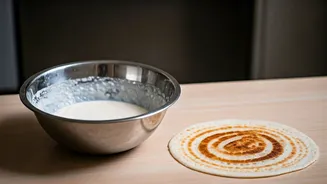
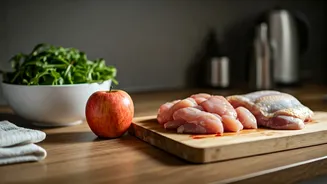
temperature. When food is left out, its outer layers can enter the 'danger zone' – temperatures between 40°F and 140°F (4.5°C and 60°C) – where bacteria like Salmonella and E. coli can rapidly multiply. Even if the center remains frozen, the thawed portions are vulnerable. Official guidelines recommend discarding food left in this temperature range for more than two hours (or one hour in temperatures above 90°F). Another critical concern is consuming food that has been left at room temperature for extended periods, especially overnight. While some foods, like plain bread, might seem less risky due to low water activity, the presence of sauces, toppings, or cooked ingredients increases moisture and bacterial growth potential. The incubation periods for foodborne pathogens can be lengthy and varied, making it difficult to pinpoint the source of illness. Furthermore, washing raw chicken, poultry, or meat is a dangerous habit that doesn't effectively remove bacteria but actively spreads them throughout the kitchen via splashing. Studies show a high percentage of sinks become contaminated after washing chicken, and the adhered bacteria are not easily dislodged. The risk of cross-contamination from these practices is substantial and can lead to serious health issues.
Moderately Risky Habits
Some kitchen practices fall into a gray area, carrying potential risks depending on specific circumstances. Draining food, such as pasta or beans, over a sink filled with dirty dishes is one such habit. The level of risk depends on how dirty the dishes are and how long they've been sitting; dishes previously used for raw meat pose a higher cross-contamination threat through splash-back. Since sinks are inherently germ-laden environments, direct contact or proximity to dirty dishes can transfer bacteria. Similarly, reusing a cutting board without washing between different types of ingredients presents a contamination risk. While washing between every single use might not always be strictly necessary, it's crucial when switching from raw meat or poultry to produce intended for raw consumption. A general rule of thumb for cutting board usage is to prepare ready-to-eat foods first, followed by produce or foods that will be cooked, and finally raw meats and poultry. Allowing pets, like cats, onto kitchen counters is also a concern. Cats can carry parasites like Toxoplasma, which can be present on their paws from litter boxes or outdoor exploration. While healthy individuals may only experience mild symptoms, pregnant women and the immunocompromised are at greater risk. Mitigating this involves preventing pets from accessing counters during food preparation and ensuring thorough cleaning and sanitization of surfaces.
Low Risk, High Concern?
Many commonly perceived 'bad' kitchen habits are actually not significant safety hazards, though they might be considered less than ideal or simply messy. Leaving butter on the counter is a common example. Due to its high fat content (at least 80%), butter has a low water activity that inhibits microbial growth, making it safe to store at room temperature for a day or two, provided it's kept covered and in a cool, dry place. Salted butter lasts even longer due to salt's preservative properties. Using your bare hands to salt food is generally safe, provided your hands have been thoroughly washed and dried beforehand. The primary risk arises from double-dipping fingers into the salt container after handling raw meat, which can contaminate the entire salt supply. Experts recommend pouring a small portion of salt into a separate dish for seasoning when handling raw ingredients to prevent widespread contamination of the main salt cellar. These practices, while potentially messy or requiring minor precautions, do not typically pose a serious threat to health.
Fundamental Safety Principles
Ultimately, effective kitchen safety boils down to a few core principles that are consistently applied. The most critical are maintaining proper food temperatures: keeping hot foods hot and cold foods cold. This directly addresses the 'danger zone' where bacteria thrive. Preventing the transfer of bacteria between foods, known as cross-contamination, is equally vital. Habits that directly violate these fundamental principles, such as leaving food to defrost on the counter or consuming items left out for extended periods, are unequivocally risky. Many other kitchen practices might introduce a degree of risk, but the severity often hinges on the specific context, the cleanliness of the environment, and the types of food being handled. Understanding these nuances allows for more informed decision-making, distinguishing between genuinely hazardous actions and those that are merely a matter of tidiness or personal preference. By focusing on temperature control and preventing cross-contamination, home cooks can significantly enhance the safety of their kitchens.