





Vessel Preparation Matters
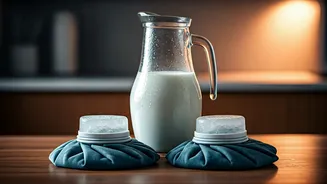
The container you use for boiling milk plays a surprisingly significant role in its longevity. Before you add milk, ensure the utensil is thoroughly rinsed
with cold water. A small amount of water left at the bottom of the pot before pouring in the milk can create a protective layer, effectively buffering the milk from direct, intense heat. This simple step is crucial for minimizing rapid spoilage and helping the milk retain its freshness for a considerably longer period, especially when temperatures are high.
Cardamom's Freshness Boost
Infusing your milk with a couple of green cardamom pods during the boiling process is more than just an aromatic enhancement; it's a time-tested trick for extending shelf life. Cardamom is widely believed to possess natural properties that actively combat the spoilage process. By adding these fragrant pods, you not only imbue the milk with a delightful flavour but also leverage its inherent characteristics to help keep it fresh for an extended duration, making it a dual-benefit addition to your milk preparation routine.
Smart Storage Strategies
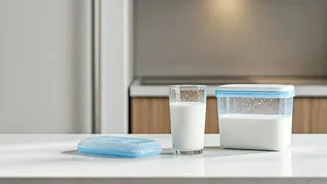
How and when you store your milk after boiling is just as critical as the boiling process itself. Especially during the sweltering summer months, it’s recommended to gently reheat your milk approximately every eight hours. This periodic warming helps in curbing the rapid proliferation of bacteria that thrive in heat. Crucially, avoid the temptation to place hot milk directly into the refrigerator. Allow it to cool down to room temperature first before refrigerating. Adhering to these simple yet vital storage habits can make a significant difference in keeping your milk fresh, even when the summer heat is at its peak.
Understanding Summer Spoilage
The arrival of summer often brings with it a common culinary frustration: milk going off much quicker than expected. Milk that was perfectly fine after morning boiling can turn sour or curdle by the evening, a direct consequence of escalating ambient temperatures that significantly accelerate bacterial growth. Even the cool embrace of a refrigerator isn't always a foolproof safeguard against this accelerated spoilage. However, by adopting a few straightforward preventative measures and mindful practices, you can effectively extend the life of your milk and enjoy it for longer, despite the challenging summer conditions.
Reheating for Longevity
A key strategy to combat milk spoilage in warmer weather involves a simple, repeatable process: reheating. Experts suggest that for milk stored during summer, it's beneficial to gently reheat it every eight hours. This doesn't mean boiling it vigorously each time, but rather warming it sufficiently to inhibit bacterial activity. This consistent, minor intervention disrupts the conditions favorable for spoilage. Combined with proper cooling before refrigeration, this practice forms a robust defense against milk turning bad prematurely, ensuring you can use it over a longer period without worry.