





Why Protein Matters
Protein is a fundamental building block for our bodies, impacting everything from immunity and hormone balance to tissue repair and cellular regeneration.
For Indian women, ensuring adequate protein intake is particularly vital due to a confluence of genetic predispositions, common dietary patterns, and lifestyle factors that can lead to diminished muscle mass and an elevated susceptibility to long-term health challenges. Studies indicate that Indian women often exhibit lower muscle mass compared to their global counterparts, a trend potentially exacerbated by genetic factors, reduced physical activity, and insufficient protein consumption from an early age. This decline in muscle mass is intrinsically linked to an increased probability of developing metabolic ailments such as type 2 diabetes, cardiovascular issues, and osteoporosis. Consequently, it is imperative for women to consciously integrate sufficient protein into their daily meals to support robust muscle health and maintain optimal metabolic functions throughout their lives. The recommended daily intake for most women nearing 40 is approximately one to 1.2 grams of protein per kilogram of their body weight, translating to roughly 60 to 75 grams daily, with an aim of consuming 20 to 25 grams per meal.
Dietary Hurdles
A significant cultural aspect influencing protein intake in India is the prevalence of vegetarianism. While plant-based diets can be incredibly healthy, they require careful planning to ensure sufficient protein, especially if relying solely on staples like dal. Many plant-based protein sources may not offer a complete spectrum of essential amino acids or might be less easily digested compared to animal-derived proteins. Furthermore, the typical Indian dietary landscape is often carbohydrate-dominant, inadvertently pushing protein into the background. This imbalance means that many women, unknowingly, consume far less protein than their bodies require. Hormonal fluctuations inherent to a woman's life—spanning menstruation, pregnancy, and menopause—also play a critical role. These physiological shifts can alter metabolism and nutrient absorption rates, amplifying the importance of a consistent and adequate protein supply. Even modern lifestyle elements, such as high stress levels, inadequate sleep, and demanding work schedules, can negatively affect how the body processes nutrients and synthesizes muscle protein, making a well-structured protein intake essential for counteracting these effects.
Powerhouse Protein Foods
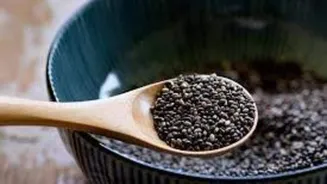
To effectively boost protein consumption, a diverse approach to food choices is key. For non-vegetarian individuals, lean meats and poultry like chicken, turkey, and fish are exceptional sources of complete protein, packed with all essential amino acids. Fish, in particular, offers the added benefit of omega-3 fatty acids, crucial for cardiovascular health. Dairy products, including milk, yogurt, paneer (Indian cottage cheese), and cheese, provide a good combination of protein and calcium, vital for bone strength. Eggs are a nutritional powerhouse, offering a complete amino acid profile and versatility in meal preparation. For vegetarians, a wide array of options exists, though strategic pairing is beneficial. Legumes and pulses such as lentils, beans, chickpeas, and peas are excellent plant-based protein sources, also rich in fiber and other vital nutrients. Combining different types of legumes can help ensure a fuller amino acid profile. Nuts and seeds like almonds, walnuts, peanuts, chia seeds, and flaxseeds contribute protein, healthy fats, and fiber. Soy products, including tofu, tempeh, and edamame, are complete plant-based proteins and valuable for those seeking meat alternatives. Even some whole grains, like quinoa and oats, contribute a modest yet valuable amount of protein to the diet.
Strategic Eating Plan
Beyond just identifying protein-rich foods, the strategy for incorporating them into your daily diet is equally important. Dr. Chandra advises distributing protein intake across all three main meals—breakfast, lunch, and dinner—rather than concentrating it in one sitting. This ensures a steady supply of amino acids throughout the day, supporting continuous bodily functions. Prioritizing high-quality protein sources that are easily digestible and provide a complete amino acid profile is also recommended to maximize nutritional benefits. Paying attention to your body's hunger and fullness cues is a simple yet effective way to manage intake, as protein is known to promote satiety, aiding in weight management efforts. In situations where meeting daily protein targets through food alone proves challenging, incorporating a high-quality protein supplement can be a practical solution. It's important to remember that protein supplements are not exclusively for athletes; they serve as a valuable tool for anyone struggling to meet their dietary protein requirements, supporting essential functions like immunity, tissue repair, and healthy aging. For personalized guidance, consulting with a registered dietitian or nutritionist is highly recommended, especially if you have specific dietary needs or pre-existing health conditions, to develop a tailored plan.