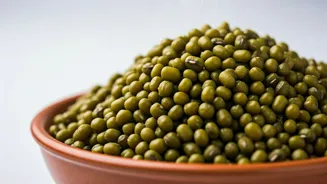

Digestive Powerhouse Revealed
Whole green moong, a nutritional gem, surpasses yellow dal in promoting optimal digestive health. Unlike yellow dal, which has its skin removed, whole
green moong retains its outer layer, rich in fiber and other essential nutrients. This dietary fiber content is critical for promoting regular bowel movements and preventing constipation, ensuring a smoother digestive process. Furthermore, the presence of resistant starch in green moong slows down the rate at which glucose is released into the bloodstream, which is beneficial in controlling blood sugar levels. This unique composition makes green moong a superior choice for those seeking to enhance their digestive function and overall well-being. It's a simple change with significant impact.
Fiber's Crucial Role
The remarkable high fiber content in whole green moong plays a pivotal role in maintaining gut health and is a key distinction from yellow dal. The fiber acts as a prebiotic, nourishing the beneficial bacteria residing in your gut. These bacteria are vital for breaking down food, absorbing nutrients, and safeguarding against harmful pathogens. A thriving gut microbiome can improve the absorption of nutrients. This process enhances the immune system and reduces inflammation. As a result, this fiber-rich legume can significantly improve digestive regularity, reducing the risk of bloating and discomfort, which is often a problem. Integrating green moong into your diet means proactively supporting a healthy digestive system.
Gentle on the Gut
Whole green moong is exceptionally gentle on the digestive system, making it an ideal choice for those with sensitive stomachs or digestive issues, especially when compared to yellow dal. The ease with which green moong is digested can be attributed to its unique composition and the absence of certain compounds found in other legumes that may cause bloating or gas. This ease of digestion means that the body expends less energy processing the food, leaving more energy available for other bodily functions. In contrast, yellow dal can sometimes trigger digestive discomfort due to its different composition. Opting for green moong can lead to a noticeable reduction in digestive distress, promoting overall comfort and well-being for anyone looking to improve digestive health.
Rich Nutrient Profile
Beyond its digestive benefits, whole green moong boasts a superior nutrient profile that contributes to overall health and wellness when compared to yellow dal. Green moong is packed with essential vitamins and minerals, including iron, which helps in the transportation of oxygen throughout the body, and folate, which is crucial for cell growth and function. Unlike yellow dal, which may lose some nutrients during processing, green moong retains more of its nutritional value because it is eaten with the skin intact. It's also an excellent source of plant-based protein, vital for building and repairing tissues. By incorporating green moong into your diet, you're not just improving digestion but also ensuring your body receives a wealth of essential nutrients, supporting overall health and vitality.
Versatile Culinary Delight
Whole green moong offers a diverse range of culinary applications, setting it apart from yellow dal, which can be less versatile. Green moong can be cooked in numerous ways, from sprouted salads and soups to dals and even dosa batter. Its mild and slightly sweet flavor profile makes it suitable for both savory and sweet dishes, accommodating various taste preferences. This versatility makes it an easy ingredient to incorporate into your daily meals, ensuring that you're regularly receiving the digestive and nutritional benefits it provides. Unlike some other legumes, green moong also cooks relatively quickly, saving time and energy in the kitchen. Experimenting with green moong in your cooking adds not only health benefits but also an element of culinary exploration and enjoyment to your diet.