


Infusing the Milk
The foundational step to a flavorful pastry cream begins with gently heating the milk, sugar, and vanilla bean. This process allows the sugar to fully
dissolve and the aromatic essence of the vanilla to permeate the liquid. It's crucial to maintain a temperature just below a rolling boil to prevent the milk from scorching and to preserve the delicate vanilla notes. This initial infusion sets the stage for the custard's depth of flavor, ensuring a richer outcome. The careful heating ensures a smooth incorporation of ingredients in subsequent steps, contributing to the overall velvety texture of the final product.
Crafting the Yolk Base
In a separate bowl, a harmonious blend of egg yolks, sugar, cornstarch, and salt is meticulously whisked. This combination serves a dual purpose: the sugar aids in dissolving the starch uniformly, and the cornstarch acts as the primary thickening agent. Thorough whisking ensures that the starch granules are evenly distributed, which is vital for achieving a lump-free, smooth custard. This preparatory step is critical for preventing the formation of undesirable clumps and guaranteeing a consistently smooth texture when the mixture is eventually cooked, laying the groundwork for a stable, beautifully thickened cream.
The Art of Tempering
Tempering is a crucial technique where the hot milk is gradually introduced into the egg yolk mixture. This slow incorporation process is essential to gently raise the temperature of the eggs without causing them to scramble. By slowly whisking the hot liquid into the yolks, the egg proteins are coaxed into thickening rather than coagulating abruptly. This careful step prevents the formation of unwelcome lumps or curdled bits, ensuring the custard maintains its smooth, luxurious consistency. Successfully tempering is key to a seamless transition into the cooking phase, promising a silken final product.
Cooking for Thickness
The blended mixture is then returned to the saucepan and cooked over medium heat, requiring constant whisking. The goal is to thicken the cream to a pudding-like consistency, signaled by the appearance of large bubbles breaking the surface. Cooking for an additional 1 to 2 minutes after this point ensures the starch is fully gelatinized and any amylase enzyme from the yolks is deactivated, preventing thinning over time. Aiming for a temperature between 190°F and 200°F (88°C to 93°C) guarantees a firm, stable set upon cooling. Continuous whisking is vital to prevent the bottom from scorching.
Achieving Silky Smoothness
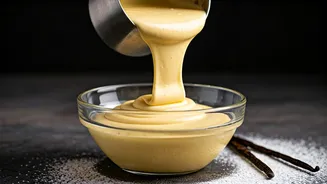
For an impeccably smooth pastry cream, the cooked mixture is passed through a fine-mesh sieve into a clean bowl. This step effectively removes any minor lumps or undissolved particles, ensuring a refined texture. While optional, straining significantly enhances the custard's silkiness and removes any remaining bits of vanilla bean pod. Although straining might slightly reduce the final firmness, the difference is negligible once the cream is stirred before use. This final sifting guarantees a professional, polished finish to your crème pâtissière.
Enriching and Finishing
Once the cream has been strained, unsalted butter and vanilla extract are whisked in off the heat. The residual warmth of the pastry cream is sufficient to melt the butter, which enriches the custard, adding a luxurious mouthfeel and a glossy sheen. Incorporating the vanilla extract at this stage preserves its volatile aromatic compounds, ensuring a potent and fresh flavor. This final addition contributes significantly to the custard's overall richness and depth, without the risk of the butter separating due to overheating.
Rapid Cooling and Storage
To halt the cooking process and begin the setting, the bowl of pastry cream is placed over an ice bath. Stirring occasionally aids in rapidly lowering the temperature. Crucially, a piece of plastic wrap is pressed directly onto the surface of the cream. This prevents a skin from forming as it cools, maintaining the smooth texture. After initial chilling in the ice bath, the pastry cream should be refrigerated for at least 2 hours to allow the starch network to fully set, achieving its final, luscious consistency.
Versatile Applications
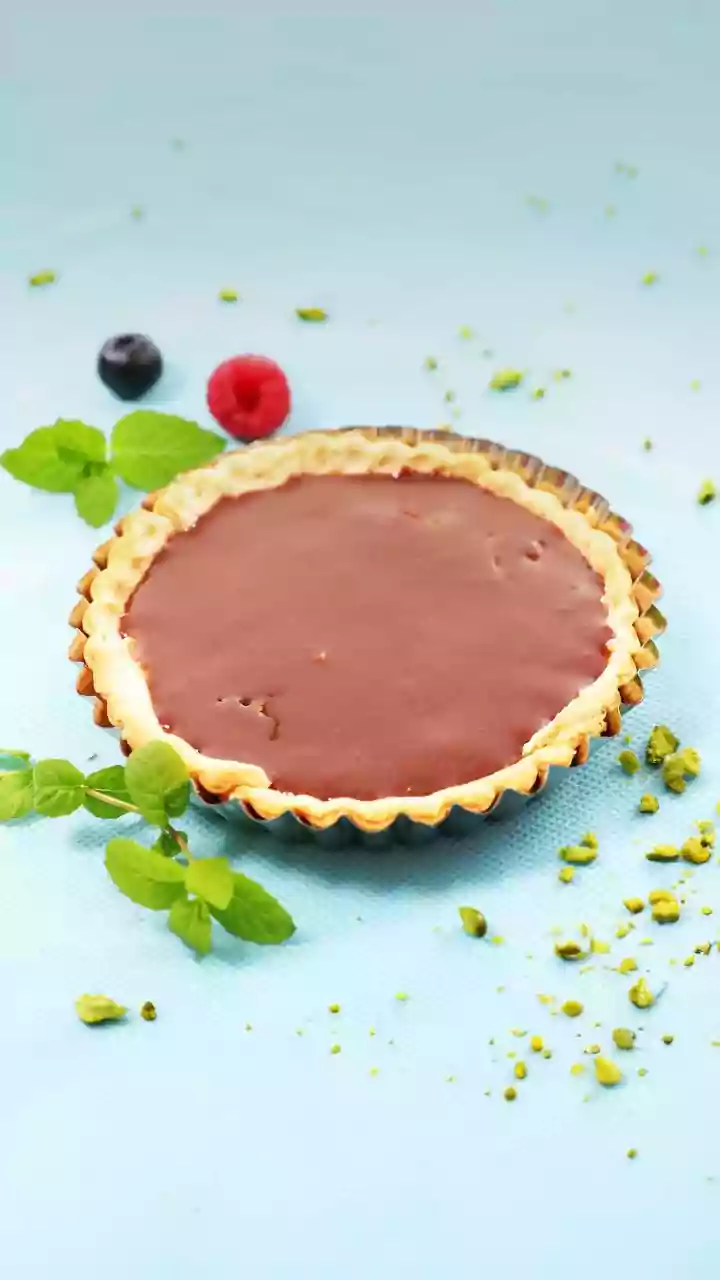
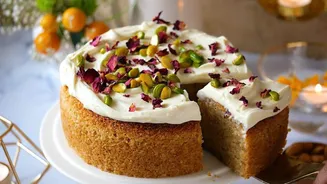
Once chilled and thickened, pastry cream is a versatile filling ready to be used in a multitude of desserts. It's a classic component for fruit tarts, cream puffs, eclairs, and the center of a Boston cream pie. For even more creative applications, it can be enhanced by mixing with other ingredients. Combining it with lemon curd yields a bright lemon pastry cream, while incorporating softened butter creates a richer crème mousseline. Whipped cream can be folded in to produce a lighter crème légère, or stabilized whipped cream for a more stable diplomat cream, offering a spectrum of textures and flavors for various dessert fillings.