



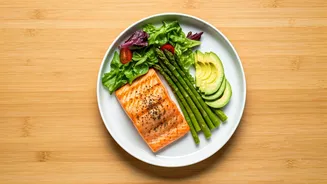

Fueling Muscle Longevity
Maintaining muscle mass is a cornerstone of healthy aging, and protein-rich foods are your allies. Experts highlight that as we age, preserving muscle helps
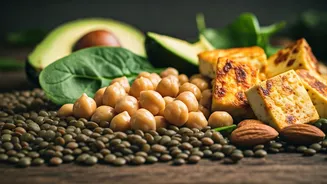
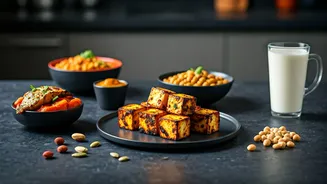
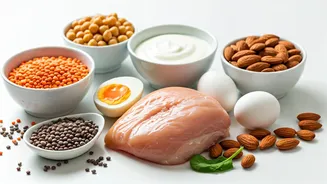
with mobility, metabolism, and overall functional independence. Incorporating adequate protein into your diet is crucial to counteract age-related muscle loss, often termed sarcopenia. This means prioritizing sources like lean meats, poultry, fish, eggs, dairy products, legumes, and plant-based protein powders. For men over 50, for instance, specific weekly recommendations often include a variety of these high-protein options to ensure consistent intake. Beyond just protein, a balanced diet supporting muscle health also includes essential vitamins and minerals that aid muscle repair and function. Ensuring you're getting enough protein throughout the day, rather than concentrated in one meal, is key for continuous muscle synthesis and preservation, ultimately contributing to a more active and longer life.
The Power of Fiber
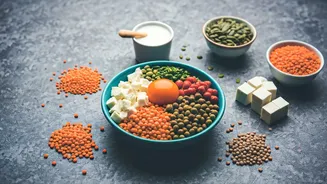
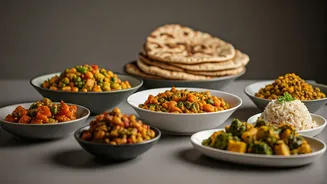
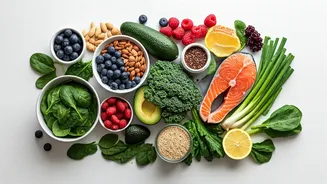
A high-fiber diet is frequently cited as a powerful tool for promoting longevity and overall well-being. Fiber plays a multifaceted role, significantly contributing to digestive health, which is intricately linked to nutrient absorption and immune function. Consuming ample fiber helps regulate blood sugar levels, preventing sharp spikes and crashes that can be detrimental over time, and it also aids in maintaining a healthy weight by promoting satiety. Furthermore, studies suggest a strong correlation between high fiber intake and a reduced risk of chronic diseases, including heart disease and certain types of cancer. Foods rich in fiber, such as whole grains, fruits, vegetables, and legumes, are packed with antioxidants and phytochemicals that combat cellular damage. This continuous dietary approach supports a healthier gut microbiome, which is increasingly recognized as a critical factor in aging gracefully and preventing a host of age-related ailments.
Antioxidants and Anti-Inflammation
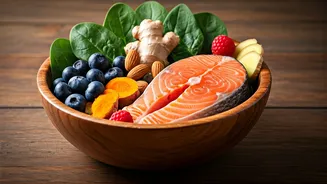
Combating inflammation and oxidative stress is paramount for slowing down the aging process and reducing the risk of age-related diseases. Anti-inflammatory foods, rich in antioxidants, work by neutralizing harmful free radicals that damage cells and contribute to chronic conditions like arthritis and heart disease. This approach is vital for women over 50, who may benefit significantly from incorporating specific anti-inflammatory foods into their weekly meals. Examples include berries, leafy green vegetables, fatty fish like salmon, nuts, seeds, and spices such as turmeric and ginger. By focusing on a diet that actively reduces inflammation, you can protect your body at a cellular level, support healthy immune function, and promote cellular repair mechanisms. This dietary strategy is not just about preventing disease; it's about fostering a state of internal balance that supports sustained vitality and a higher quality of life as you age.
Brain Health Boosters
Nourishing your brain is as critical as nourishing your body for a long and healthy life, with specific foods showing remarkable benefits for cognitive function. A diet that supports brain health often emphasizes healthy fats, antioxidants, and vitamins that protect neurons and promote neural connections. For instance, certain vegetables have been linked to a lower risk of dementia, while specific fruits can contribute to a longer lifespan by supporting cognitive processes. Experts often recommend a late-night snack that enhances brain health, underscoring the importance of continuous nutritional support. The Mediterranean diet, with its emphasis on fruits, vegetables, whole grains, and healthy fats, is a prime example of a dietary pattern that fosters brain vitality and may even help reduce the risk of neurodegenerative diseases like Parkinson's. Prioritizing foods that enhance memory, focus, and overall cognitive resilience is a key strategy for aging successfully.
Strategic Diet Choices
Making informed dietary choices is fundamental to navigating the aging process healthily. Low-carbohydrate and low-sodium diets, for example, are frequently recommended for their benefits in managing conditions like high blood pressure and diabetes, both of which can accelerate aging if unmanaged. The Mediterranean diet stands out as a consistently praised eating pattern for its holistic approach to health, promoting heart health, weight management, and longevity through its emphasis on nutrient-dense, whole foods. Furthermore, the selection of specific canned foods can be surprisingly beneficial for aging well, offering convenient sources of nutrients. Conversely, understanding which foods to limit after the age of 50 is equally important, as certain items can contribute to inflammation or negatively impact metabolic health. Ultimately, a balanced and mindful approach to eating, focusing on quality ingredients and beneficial dietary patterns, is key to supporting your body through every stage of life.