




When to Sow Seeds
Cucumbers absolutely adore warmth, requiring temperatures to be at least 60°F (15.5°C) for germination and growth. If you're planting directly into outdoor
containers, it's crucial to wait until all danger of frost has passed in your region. While warmer climates might allow for earlier starts, most areas in the U.S. typically see this window opening in early to mid-May. For those eager to get a head start, you can begin sowing seeds indoors in trays a few weeks prior, or even sow them directly into their final pot. Once your seedlings have emerged, ensure their chosen spot receives a generous six to eight hours of direct sunlight each day. In exceptionally warm regions, cucumbers can even be grown throughout the year. Keep in mind these plants are annuals and will cease producing after fruiting, so successive planting may be necessary to maintain a continuous supply.
Potting and Planting Essentials
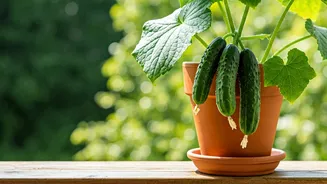
To kickstart your cucumber cultivation in pots, selecting the right container is paramount. Opt for pots that are between 12 to 24 inches in diameter and at least 12 inches deep; larger, 5-gallon plastic or ceramic containers are excellent choices as they retain moisture effectively. Crucially, ensure your chosen pot is equipped with ample drainage holes to prevent waterlogged soil, which can harm the roots. Fill these containers with a lightly moistened potting mix. For vining varieties, which are common for cucumbers, it's wise to install a trellis or support structure before you even plant your seeds. Sow the seeds approximately 1/2 to 1 inch deep. A 12-inch pot is suitable for a single bush-type plant, while a 20-inch container can comfortably accommodate four to six vining plants. After covering the seeds with loose soil, water them gently but thoroughly, taking care not to dislodge them. Place your pots in a location that receives six to eight hours of direct sunlight daily. Adding a layer of mulch will help retain soil moisture, and maintaining consistently moist soil is vital; inconsistent watering can lead to bitter, hollow fruits.
Nurturing Your Plants
Once your cucumber seedlings start to develop their first true leaves, it's time to introduce them to a feeding regimen. Begin with a fertilizer that is low in nitrogen but high in potassium, applying it every two weeks. As your plants begin to form fruits, you’ll want to increase the feeding frequency to once a week. Vining types will need early encouragement to grow onto their supports; guide them as they start to climb. Regular pruning may also be necessary to manage growth and improve air circulation. Watering should be done directly at the soil level, providing about 1 to 2 inches of water per week, and it's best to avoid wetting the leaves and vines. During intensely hot periods, you might find yourself watering as often as twice a day. Watering in the morning ensures the plants are well-hydrated for photosynthesis throughout the day. Cucumber plants can be susceptible to common issues like powdery mildew and attacks from cucumber beetles, so vigilant observation and prompt action are key to addressing any problems that arise.
Choosing the Right Varieties
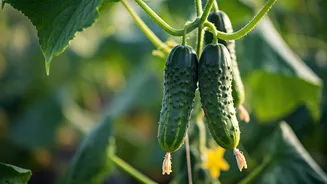
When growing cucumbers in confined spaces like pots, variety selection plays a significant role in success. Look for cultivars that explicitly mention 'bush' in their name, as these are specifically bred for compact growth and are well-suited for container gardening. For example, 'Salad Bush Hybrid' offers full-sized slicing cucumbers on compact plants and boasts good disease resistance. 'Pickle Bush' is another excellent choice, providing uniform 4-inch pickling cucumbers on relatively short vines and exhibiting resistance to common diseases. 'Bush Champion' is known for producing a high yield of large slicing cucumbers. Even vining types can thrive in pots if provided with adequate support. Varieties like 'Spacemaster' are proven performers in containers and even hanging baskets, producing dark green fruits on short vines and offering resistance to scab and mosaic virus. For snacking, 'Mini Munch F1' is a seedless variety producing 3- to 4-inch fruits on manageable vines, ideal for both indoor and outdoor container growing, though it requires trellising.
Harvesting Your Bounty
The reward for your efforts will be a continuous supply of fresh cucumbers, with harvest periods potentially lasting several weeks to months, depending on the specific variety and growing conditions. It's important to pick the fruits regularly as soon as they reach their prime ripeness to encourage the plant to produce more. Aim to harvest when the fruits are of the size appropriate for their variety, feel firm to the touch, and display a uniform green color. To harvest, use a sharp snipper or knife to cut the cucumber from the vine, leaving about a quarter-inch of the stem attached. Avoid the temptation to pull or twist the fruits, as this can cause damage to the vine and significantly reduce future yields. Harvesting in the morning is often recommended, as the fruits tend to be firmer and more hydrated at this time.