






The Salt Trap
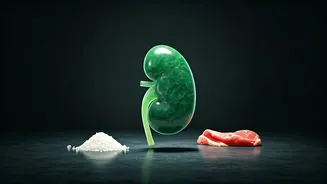
Salt is a pervasive ingredient in our diets, lurking in pickles, sauces, namkeen, chutneys, and restaurant dishes. Dr. Anshul Singh highlights that excessive
salt intake elevates blood pressure, placing significant strain on the kidneys, a leading cause of kidney disease globally. Over years of high sodium consumption, the delicate blood vessels within the kidneys can weaken. While adults are advised to consume less than 5 grams of salt daily, many unknowingly exceed this by nearly double, often through processed foods and dining out. Alarmingly, seemingly 'healthy' items like store-bought soups, breakfast cereals, protein bars, and even packaged brown bread can harbor surprisingly high sodium levels, making the salt shaker at home only part of the problem. The real danger often lies hidden within packaged goods.
Hidden Dangers in Packages
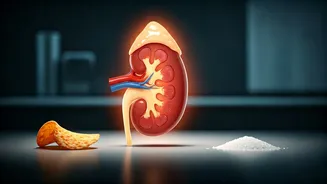
Instant noodles and a bag of chips might seem innocent, but your kidneys often bear the brunt of these choices later on. Dr. Parul Yadav warns that packaged items like chips, instant noodles, and frozen meals are laden with sodium and preservatives that can gradually harm kidney health. The issue extends beyond just salt; processed foods are formulated for longevity, incorporating preservatives, phosphates, flavor enhancers, and excessive sodium. This cocktail of ingredients contributes to elevated blood pressure and forces the kidneys into overdrive. Research consistently links high sodium intake to kidney stress and hypertension. The insidious nature of these foods is that the surplus sodium is often invisible, with a single serving of chips or frozen meal potentially containing close to half of the recommended daily sodium allowance.
The Protein Paradox
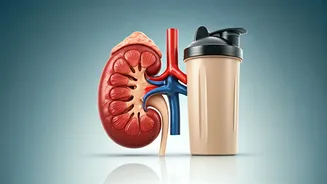
Protein is undeniably vital for muscle repair, immunity, and overall well-being, but the modern wellness culture has amplified its perceived importance to extreme levels. Fitness trends often propagate the notion that 'more protein equals better health,' a sentiment experts dispute. Dr. Anshul Singh points out that red and processed meats, including sausages and bacon, are high in protein and saturated fats, and excessive protein can indeed add strain to the kidneys. Dr. Parul Yadav further notes that overconsumption of red meat might raise uric acid levels, thereby increasing kidney workload. This doesn't imply protein is detrimental; the body requires it. The core issue is excess. When protein metabolizes, kidneys filter out nitrogenous waste. Diets with extremely high protein content compel the kidneys to filter this waste continuously. While healthy individuals might tolerate this short-term, those with diabetes, high blood pressure, pre-existing kidney conditions, or dehydration face increased risks.
Sweet Drinks' Toll
Sugary beverages offer more than just empty calories. Dr. Parul Yadav emphasizes that sodas and other sweet drinks are detrimental to health, and consistent consumption can lead to obesity and diabetes, both significant contributors to kidney disease. Diabetes is a primary driver of chronic kidney disease globally, and regular intake of sweetened drinks is linked to insulin resistance, weight gain, and inflammation. Dr. Anshul Singh also notes that dark-colored sodas contain added phosphorus, which can be harmful to the kidneys over time. Studies have indicated a connection between sugar-sweetened beverages and an increased risk of kidney damage, particularly in individuals susceptible to metabolic disorders. The growing concern is the frequency of consumption; for many, these drinks have replaced water as a daily hydration source, a burden the kidneys were not designed to handle continuously.
Fast Food's Impact
Fast food has a pervasive effect on virtually every bodily system, including the kidneys. Dr. Parul Yadav states that fast food and deep-fried items are rich in fats, salt, and calories, which can detrimentally affect kidney health and overall well-being. These meals are typically calorie-dense but nutritionally sparse. The combination of high sodium, trans fats, refined carbohydrates, and sugar contributes to obesity, diabetes, and hypertension – three major pathways to kidney disease. Dr. Anshul Singh also cautions that salty fast foods can cause fluid retention, intensifying kidney stress. The problem is not merely occasional indulgence but rather a regular reliance. For many urban households, fast food has transitioned from a treat to a dietary staple. While kidneys are remarkably resilient, prolonged exposure to such dietary patterns can eventually lead to exhaustion.
Oxalate Caution
Not all foods perceived as 'healthy' are universally beneficial. Dr. Parul Yadav explains that foods high in oxalates, such as spinach, beetroot, chocolate, and nuts, can contribute to the formation of kidney stones in susceptible individuals. Oxalates are naturally occurring compounds found in numerous nutritious foods and are typically harmless for most people. However, for those prone to calcium oxalate kidney stones, excessive oxalate intake can become problematic. This underscores the risk of blindly adopting internet 'superfood' trends. Consuming spinach smoothies daily might sound virtuous, but for someone with a history of kidney stones, it could be ill-advised. Personalized nutrition, rather than replicated viral diet fads, leads to better health outcomes.
Processed Meats' Risks
Bacon, sausages, salami, deli meats, and pre-packaged kebabs are often presented as convenient protein sources. However, they amalgamate several kidney stressors: high sodium, preservatives, saturated fats, and chemical additives. Dr. Parul Yadav asserts that processed meats are detrimental to kidney health due to their high sodium content and additives that can strain kidney function. Furthermore, many processed meats contain phosphate additives, which can be challenging for compromised kidneys to filter effectively. A significant concern is the integration of processed meats into what is marketed as 'healthy' fitness meals, with high-protein sandwiches, packaged chicken slices, and preserved meat snacks becoming common. Despite being labeled as protein-rich, the kidneys still register the substantial sodium load.