
Solar Flare Explained
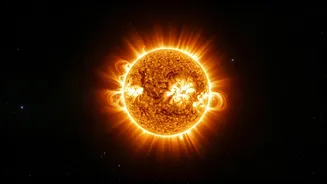
The sun is a dynamic star, constantly undergoing changes, and the most dramatic of these are solar flares. These flares are intense bursts of energy that
originate from the sun's surface, specifically in areas known as sunspots. The solar flare is classified based on its strength, with X-class flares being the most powerful. These powerful bursts send a surge of radiation into space, affecting everything from satellites to radio communications on Earth. In late 2025, the sun unleashed an X-class solar flare, generating a significant impact on Earth.
Radio Blackouts in Australia
The X-class solar flare in late 2025 was so powerful that it caused widespread radio blackouts. Radio signals rely on the ionosphere, a layer of Earth's atmosphere that is sensitive to solar radiation. When a solar flare erupts, it releases a flood of energy that disrupts the ionosphere, leading to signal interference. In Australia, this disruption was particularly noticeable, affecting communication systems across the nation. The severity of the blackout can vary depending on the flare's strength and the location on Earth. The incident served as a reminder of the sun's influence and the importance of monitoring space weather.
Impact and Implications
The recent solar flare underscored the dependence on technological infrastructure and its vulnerability to space weather events. The disruption of radio signals, primarily in Australia, highlighted the potential for communication failures during periods of increased solar activity. It served as a reminder of how important it is to have systems that can cope with solar flares. The incident is not an isolated event; solar flares occur regularly, with varying degrees of impact on Earth. It is imperative that scientists continue to monitor the sun and improve the accuracy of space weather forecasts to minimize the effects of future solar flares. The goal is to provide enough lead time to implement mitigation strategies.
Future Monitoring Efforts
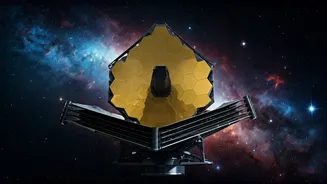
Scientists worldwide constantly monitor the sun to predict and understand solar flares. This involves advanced instruments and complex models. The data collected helps in forecasting space weather and alerting communication providers and other vulnerable systems. Space-based observatories, like the James Webb Space Telescope (JWST), play a critical role in providing real-time data about the sun's activity. Moreover, collaborations between space agencies around the world are essential to enhance our knowledge and improve the efficiency of space weather forecasting. As technology advances, these monitoring efforts will be enhanced, allowing for more precise warnings and better preparedness for upcoming solar events.