


Understanding Fatty Liver
Fatty liver disease often develops subtly, with no obvious initial signals, leading to a gradual accumulation of fat within the liver. Many find a diagnosis
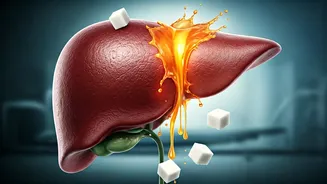
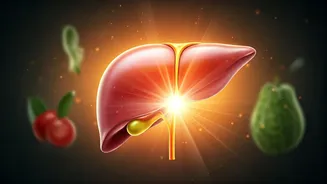
unsettling, but the liver possesses a remarkable capacity for self-repair when provided with the right conditions. The crucial factor isn't whether reversal is possible without medication, but rather if our day-to-day practices align with the liver's fundamental needs. This condition, particularly Non-Alcoholic Fatty Liver Disease (NAFLD), arises when an excessive amount of fat builds up in liver cells, indicating a broader metabolic struggle with energy processing. At its core, this often involves insulin resistance, where the body’s response to insulin diminishes, causing elevated blood sugar levels. Consequently, the liver converts this surplus sugar into fat, storing it and potentially leading to inflammation and damage over time. Therefore, understanding the underlying mechanisms is the first step towards effective management and reversal.
Movement for Liver Health
Engaging in physical activity doesn't require an extreme athletic regimen to benefit your liver. The key lies in consistent, regular movement, rather than infrequent, high-intensity sessions. Even incorporating a brisk 30-40 minute walk on most days can contribute to a reduction in liver fat over time. This increased activity enhances your muscles' ability to utilize glucose, thereby lessening the metabolic burden on your liver. Dr. Chaudhary emphasizes that even simple, consistent walking can yield significant improvements. The ultimate objective isn't about achieving peak physical performance, but rather about fostering a state of metabolic balance, which is fundamental to liver well-being and overall health.
Dietary Foundations for Healing
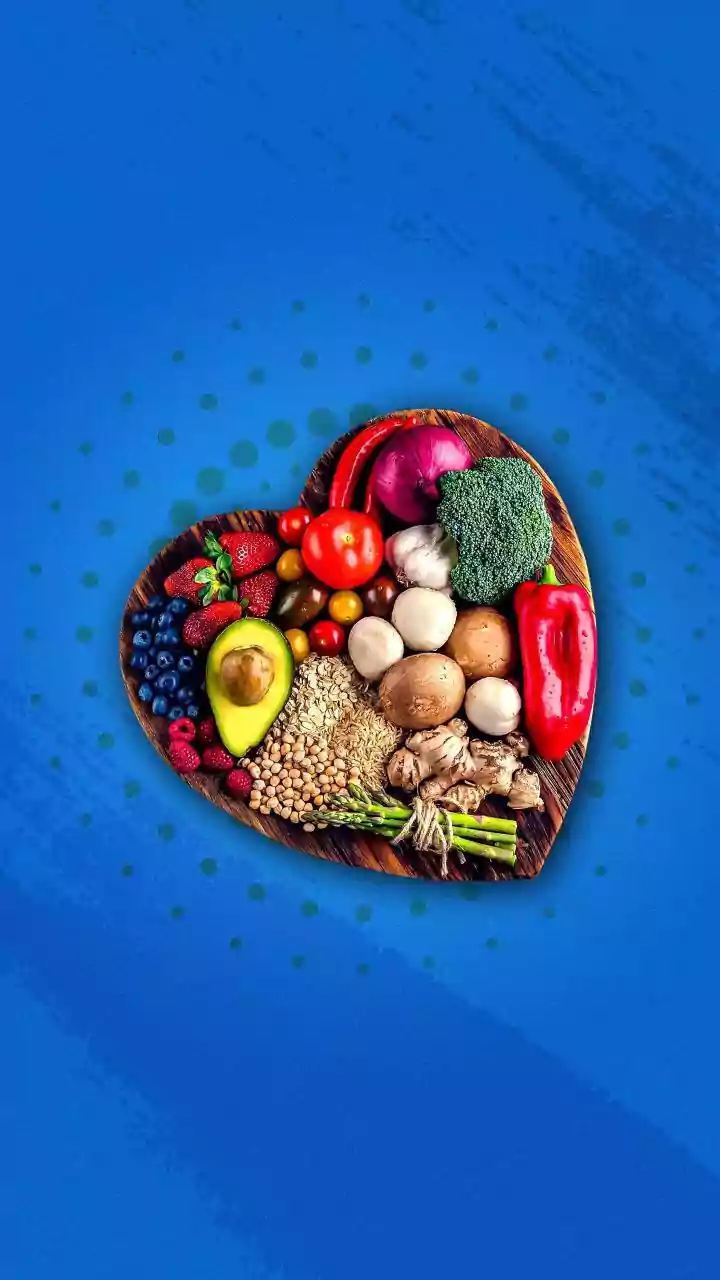
Your liver is highly responsive to the food you consume daily, thriving on consistency rather than absolute perfection. A cornerstone of liver healing involves enhancing dietary quality by reducing processed foods, cutting out sugary beverages, and managing carbohydrate intake, while simultaneously increasing fiber consumption. A Mediterranean-style diet is often recommended for its practicality, balance, and sustainability. This dietary pattern helps reduce inflammation and improves insulin sensitivity through its emphasis on whole grains, abundant fresh vegetables and fruits, healthy fats from nuts and olive oil, and lean proteins like fish and legumes. Prioritizing these whole foods and minimizing hidden sugars and ultra-processed items are crucial steps in supporting your liver's recovery.
Weight Loss: A Proven Strategy
A significant and consistent finding in global health research points to the powerful impact of modest weight loss on reversing fatty liver disease. Studies, including those indicating that shedding 7-10% of body weight can substantially decrease liver fat, inflammation, and even early-stage scarring, underscore this point. Research supported by health organizations highlights that lifestyle modifications are the primary approach for managing NAFLD. This approach emphasizes steady, realistic changes rather than restrictive or extreme dieting. Effective and sustainable weight loss is not about deprivation, but about creating a calorie deficit through balanced eating and regular physical activity, which directly aids in reducing the fat accumulation within the liver.
Beyond Diet and Exercise
Effective liver reversal extends beyond just diet and exercise, encompassing vital lifestyle elements such as sleep and stress management. Inadequate sleep can exacerbate insulin resistance, while chronic stress elevates cortisol levels, prompting the body to store more fat, including in the liver. The process of recovery is inherently gradual; day-to-day visible progress is rare, which can often lead to discouragement. However, as experts note, the liver improves quietly and progressively, without overnight transformations. With sustained effort and patience, remarkable improvements can be observed in follow-up scans. Therefore, incorporating sufficient rest and effective stress-reduction techniques is an integral part of the journey toward significant liver healing.
Patience and Realistic Expectations
Many individuals seek quick fixes, turning to detox drinks, crash diets, or extreme fasting methods that promise rapid results but often fail to address the underlying issues. It's essential to understand that the liver is a highly efficient detoxification organ on its own; what it truly requires is a reduction in burden, not the use of unproven gimmicks. As clarified by medical professionals, sustainable solutions involve gradual, consistent weight loss, typically around 7-10% of body weight, which is sufficient to significantly reduce liver fat and inflammation. The liver heals silently and gradually, meaning that overnight transformations are unrealistic. Embracing patience and understanding that this is a long-term journey with steady effort is crucial for achieving remarkable and lasting reversal of fatty liver disease.