






Gaining Muscle Mass
Building muscle mass is a key objective for many fitness enthusiasts, and it’s achievable regardless of your starting point. The process involves a combination
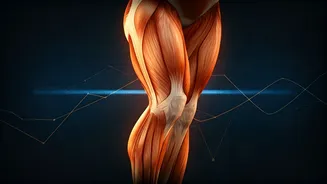
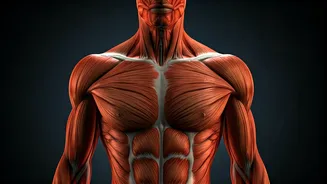
of consistent resistance training and proper nutrition. When lifting weights, the focus should be on progressive overload, meaning you gradually increase the challenge to your muscles over time, whether by lifting heavier weights, performing more repetitions, or increasing the number of sets. Proper form is paramount to prevent injuries and ensure that the target muscles are effectively stimulated. Alongside training, adequate protein intake is crucial for muscle repair and growth. Distributing protein consumption throughout the day, especially around your workouts, can enhance muscle protein synthesis. Furthermore, sufficient sleep plays a vital role in recovery and hormone regulation, both of which are essential for muscle development. Understanding that muscle gain is a gradual process and maintaining patience and consistency are hallmarks of successful long-term muscle building.
Understanding Muscle Fatigue
Muscle fatigue is a natural physiological response that occurs when your muscles' ability to perform diminishes over time, particularly during prolonged or intense physical activity. This phenomenon can stem from various factors, including the depletion of energy stores like glycogen, the accumulation of metabolic byproducts such as lactic acid, and disruptions in the nervous system's ability to signal muscle contractions effectively. Recognizing the signs of muscle fatigue is important for preventing overexertion and potential injuries. Pushing too hard without adequate rest can lead to performance plateaus and increase the risk of strains or tears. Implementing strategies like proper warm-ups, maintaining hydration, and pacing your workouts can help mitigate premature fatigue, allowing for more sustained effort and better training outcomes.
Optimizing Muscle Recovery
Maximizing muscle recovery is as critical as the workout itself for achieving fitness goals and preventing setbacks. After strenuous exercise, muscle fibers experience microscopic damage, and the recovery period is when the body repairs and rebuilds these tissues, leading to increased strength and size. Effective recovery strategies include ensuring adequate protein intake to provide the building blocks for repair, staying well-hydrated to facilitate nutrient transport and waste removal, and prioritizing sleep, as this is when most of the body's repair processes occur. Active recovery, such as light cardio or stretching, can also aid blood flow and reduce muscle soreness. Tools like foam rolling or massage can help release muscle tension. Listening to your body and incorporating rest days are fundamental to avoiding overtraining and allowing your muscles the time they need to adapt and grow stronger, ultimately contributing to consistent progress.
Cardiovascular Endurance
Cardiovascular fitness, often measured by VO₂ max, is a key indicator of aerobic capacity and overall health. VO₂ max represents the maximum amount of oxygen your body can utilize during intense exercise. Improving this metric signifies enhanced efficiency in oxygen delivery and utilization by your muscles, leading to greater endurance and stamina. Activities like running, swimming, and cycling are excellent for boosting VO₂ max. Incorporating interval training, which involves alternating between high-intensity bursts and periods of recovery, can be particularly effective. Beyond performance, a higher VO₂ max is linked to numerous health benefits, including a reduced risk of cardiovascular diseases, improved blood pressure, and better weight management. Regularly challenging your cardiovascular system through varied and consistent aerobic exercise is crucial for long-term health and athletic performance.
Strategic Workout Pairings
When designing a strength training routine, strategically pairing muscle groups can optimize your workout efficiency and promote balanced development. While there's no single 'right' way to combine muscle groups, certain pairings are commonly recommended for effective training. For instance, training opposing muscle groups like the chest and back, or the quadriceps and hamstrings, in the same session can help ensure a balanced workout and prevent muscular imbalances. Alternatively, training complementary muscle groups, such as the shoulders and triceps, or the biceps and forearms, allows for synergistic effort. Another approach involves dedicating sessions to larger muscle groups like the legs or back, followed by smaller muscle groups in a subsequent session. Understanding these principles allows for the creation of a well-rounded program that targets all major muscle groups effectively, contributing to overall strength and physique development while allowing for adequate recovery between sessions for each muscle group.
Core Strength Fundamentals
Developing a strong core is foundational to almost every physical movement and plays a vital role in athletic performance and injury prevention. Your core encompasses a complex network of muscles, including the abdominals, obliques, lower back, and even muscles in the hips and glutes. These muscles work together to stabilize your torso, support your spine, and facilitate the transfer of power between your upper and lower body. A robust core not only helps improve posture and reduce the risk of lower back pain but also enhances your ability to perform exercises with greater control and force. Incorporating a variety of exercises that target different aspects of the core, such as planks, crunches, leg raises, and Russian twists, is essential for comprehensive core development, catering to individuals across all fitness levels.
Enhancing Grip Strength
Grip strength is an often-overlooked but crucial component of overall physical capability, referring to the ability to hold onto objects firmly and lift heavy items. This attribute is not only important for functional tasks in daily life, such as carrying groceries or opening jars, but also significantly impacts performance in many sports and strength training exercises, including deadlifts, rows, and even basic weightlifting. Improving grip strength can be achieved through dedicated exercises that challenge the muscles in your hands and forearms. These can include using grip strengtheners, performing exercises like farmer's walks with heavy weights, hanging from a pull-up bar for as long as possible, or even simply squeezing a tennis ball repeatedly. A stronger grip can lead to greater control during lifts, allowing you to handle heavier weights and perform exercises more effectively, ultimately contributing to overall strength gains.
Energy-Boosting Hacks
Maintaining consistent energy levels throughout the day can be a challenge, but several practical strategies can help combat fatigue and enhance vitality. Starting the day with a glass of water can rehydrate your body after sleep and kickstart your metabolism. Prioritizing a nutritious breakfast, rich in protein and complex carbohydrates, provides sustained energy release, avoiding the sugar crash associated with processed foods. Regular physical activity, even a short brisk walk, can boost circulation and increase alertness. Adequate hydration is critical; dehydration can lead to feelings of tiredness. Managing stress through techniques like deep breathing or mindfulness can also conserve mental energy. Finally, ensuring sufficient quality sleep is non-negotiable for energy restoration, allowing your body and mind to recover and prepare for the demands of the day ahead.