




Ashwagandha: The Stress Alleviator
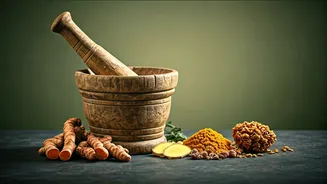
Ashwagandha, revered in Ayurveda as a rasayana for its rejuvenating properties, stands out for its remarkable ability to combat stress and anxiety. This
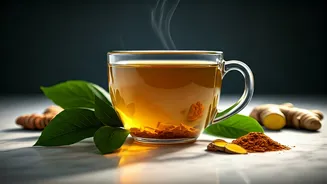
adaptogenic herb works by moderating cortisol, the body's principal stress hormone, thereby preventing the nervous system from becoming overtaxed by modern life's constant demands. Beyond its stress-relieving effects, ashwagandha is believed to bolster the health of the thyroid and adrenal glands, contributing to an overall sense of increased vitality and physical resilience. It can be incorporated into one's diet either as a concentrated preparation or brewed into a soothing herbal tea, offering a natural pathway to enhanced well-being and a calmer disposition.
Shatavari: The Feminine Vitalizer
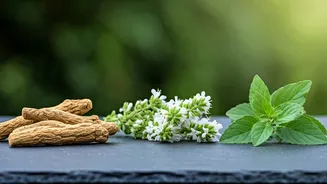
Often hailed as the 'queen of herbs' in Ayurvedic tradition, Shatavari is exceptionally beneficial for women across various life stages. Its therapeutic properties are particularly noted for addressing conditions like Polycystic Ovary Syndrome (PCOS), infertility, and menopausal symptoms. Historically, it has been recommended for expectant mothers and new mothers to support lactation. Shatavari plays a crucial role in harmonizing the body's hormonal landscape, actively reducing inflammation and oxidative stress while promoting optimal ovarian function. It aids in regulating menstrual cycles, ensuring healthy flow, and alleviating premenstrual syndrome (PMS) discomfort. This versatile herb can be enjoyed as a tea or a traditional jam-like preparation, offering multifaceted support for female reproductive health and overall vitality.
Tulsi: The Emotional Balancer
Tulsi, widely recognized as holy basil, is another powerful herb that significantly contributes to women's health, particularly in managing emotional well-being and stress. Similar to Ashwagandha, Tulsi aids in reducing stress and anxiety by lowering cortisol levels. Its unique action extends to supporting the equilibrium of key neurotransmitters, thereby enhancing the function of serotonin and dopamine – often termed 'happy hormones' – which are vital for mood regulation. From an Ayurvedic standpoint, Tulsi helps mitigate symptoms associated with imbalances in vata and kapha doshas, such as dryness, unpredictable mood swings, irritability, and sleep disturbances. Its benefits are applicable to women of all ages, making it a valuable addition to any wellness regimen. It is important to note that while these herbs are generally safe, consulting a healthcare professional before introducing them into your routine is always recommended, especially if you have pre-existing health conditions.
Lifestyle Pillars for Hormonal Health
While the therapeutic benefits of herbs are substantial, achieving sustainable hormonal balance and overall well-being necessitates a holistic approach that includes consistent lifestyle practices. Prioritizing adequate and regular sleep is fundamental, as hormonal rhythms are intrinsically linked to the body's circadian cycle; disruptions from late nights or excessive screen time can negatively impact stress and reproductive hormones. Incorporating stress-management techniques such as yoga, meditation, or even mindful walks is crucial for calming the nervous system and promoting hormonal equilibrium. Furthermore, nourishing the body with balanced, whole-food meals – rich in fruits, vegetables, whole grains, nuts, and seeds – helps combat inflammation and provides essential nutrients. Finally, maintaining a regular physical activity routine, even through moderate exercises like brisk walking or stretching, supports circulation, metabolism, and hormone regulation, creating a synergistic effect with Ayurvedic herbs for optimal health.