







Hydration's Hidden Role
Many individuals diligently focus on diet and exercise, yet see minimal progress in their weight loss efforts. A common oversight in these scenarios is insufficient
hydration. When the body lacks adequate water, essential processes like nutrient transport, temperature regulation, and metabolic functions can falter. This can lead to a slower rate of calorie expenditure and a less efficient utilization of stored fat reserves. Moreover, the body often misinterprets thirst as hunger, leading to unnecessary caloric intake from snacking. Recognizing water as a fundamental pillar of overall health, alongside diet and exercise, is crucial for unlocking the body's full potential for weight management. Addressing hydration levels can be a simple yet profoundly effective step towards achieving sustainable weight loss goals.
Mastering Appetite Naturally
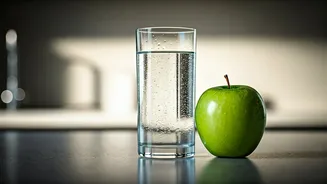
One of the most impactful ways water aids weight loss is through its remarkable ability to control appetite. Often, the sensation of thirst is mistaken for hunger, prompting individuals to reach for snacks or larger meals when their body simply needs fluids. Consuming a glass of water, particularly before mealtimes, can create a genuine feeling of fullness. This pre-meal hydration can significantly curb overeating and make it easier to adhere to appropriate portion sizes. For those actively trying to reduce their calorie consumption, this straightforward habit can lead to a noticeable decrease in daily intake without the need for drastic dietary overhauls. By ensuring proper hydration, you can effectively manage hunger pangs and make healthier eating choices more attainable.
Boosting Your Metabolism
Water plays an indispensable role in the body's metabolic processes, particularly in digestion and fat breakdown. It facilitates the efficient breakdown of food in the stomach and intestines, ensuring that vital nutrients are absorbed effectively. A well-hydrated system also promotes regular bowel movements, preventing issues like bloating and sluggish digestion. Beyond digestion, water is crucial for lipolysis, the physiological process where the body mobilizes stored fat to generate energy. While drinking water doesn't directly burn fat, chronic dehydration can significantly impede this metabolic pathway. Maintaining optimal hydration levels ensures that your metabolism functions at its peak efficiency, supporting your body's natural ability to utilize fat for fuel.
Enhancing Workout Performance
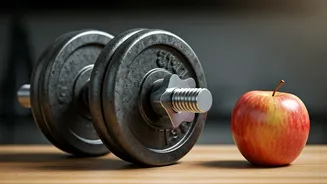
Physical activity demands a well-functioning, hydrated body. Dehydration can manifest as fatigue, painful muscle cramps, and a general decline in endurance, severely hindering workout effectiveness. Conversely, adequate water intake, especially cooler temperatures, can even provide a temporary boost to resting energy expenditure, as the body expends energy to warm the water to core temperature. Staying hydrated is essential for maintaining optimal energy levels, ensuring muscles perform at their best, and facilitating faster recovery post-exercise. When you're properly hydrated, you're better equipped to push through challenging workouts and recover more efficiently, contributing to consistent progress in your fitness journey.
Smart Hydration Strategies
Making the switch from sugary drinks to water is a simple yet powerful strategy for weight management. Beverages laden with sugar or artificial sweeteners often contribute a significant amount of 'empty' calories to your diet and can even stimulate further cravings. Opting for plain water, refreshing infused water, or unsweetened herbal teas can drastically reduce your daily calorie intake and foster healthier long-term habits. To consistently stay hydrated, incorporate a glass of water upon waking, sip water between meals, and increase fluid intake during physical activity. Additionally, remember that foods with high water content, such as fruits, vegetables, and soups, can also contribute meaningfully to your daily fluid intake, offering a delicious and nutritious way to stay hydrated.