






An Estate's Inspiration
The presentation of the Lovebirds Resortwear 2026-2027 collection unfolded at the enchanting Lunuganga Estate in Bentota, Sri Lanka, the former sanctuary
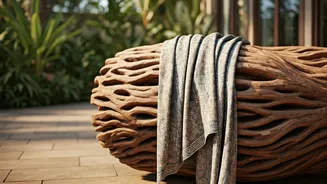
of visionary architect Geoffrey Bawa. This estate, a testament to Tropical Modernism, was once a cinnamon plantation and later a rubber estate, transformed by Bawa into a remarkable landscape. Its integration of architecture, ecosystem, and conservation principles provided a profound backdrop for the brand's aesthetic. The atmosphere, rich with the patina of age on wooden benches and stone steps, encouraged a deep introspection, echoing the show's invitation to "Look In. Look Out." The very essence of the estate, with its natural beauty and thoughtful design, served as a mirror to Lovebirds' own design philosophy: a meticulous approach to clothing that values precision, thoughtful restraint, and the evolution of contemporary wardrobes.
Echoes of Bawa's Vision
The founders of Lovebirds, Amrita Khanna and Gursi Singh, found a deep resonance between their brand's ethos and Geoffrey Bawa's design principles, particularly evident at Lunuganga Estate. Singh articulated that Sri Lanka was the first place where craft and environment felt intrinsically linked, a notion central to Lovebirds' identity. The brand's design language has consistently embraced Tropical Modernism's core tenets: minimalism, the judicious use of local materials and artisanal techniques, and the creation of contextually relevant yet globally appealing pieces. Returning to Sri Lanka after a decade of brand building, and choosing Lunuganga for their Resortwear '26-'27 showcase, allowed the duo to reconnect with their initial curiosity and openness, but now from a position of enhanced clarity. Singh emphasized that the alignment with Bawa stemmed from a shared belief in restraint, in doing less but with absolute precision, a philosophy that directly informs their approach to fashion design.
Craftsmanship in Focus
The runway at Lunuganga was a testament to understated elegance, featuring a minimalist white ramp against the serene backdrop of the lake, with the show commencing during Bawa's favoured 'G&T hour' to maximize natural light. The collection comprised 60 meticulously designed looks for both womenswear and menswear, harmonizing form and function through structural silhouettes, geometrical precision, and refined tailoring. The brand's signature minimalism remained a cornerstone, yet it was subtly infused with the cultural nuances of Sri Lanka, adhering to Bawa's philosophy of respecting materials, craft, and community. Khanna and Singh reimagined traditional crafts like batik, embroidery, and handwoven linens, silks, and cottons, blending global sensibilities with local roots. This was evident in voluminous skirts, exaggerated shoulders, structured jackets, and innovative styling like sarongs worn over trousers. Batik, a central craft of the collection, was integrated across various elements, from show invitations and guest sarong gifts to eight featured looks, interpreted through patterns resembling crackles, polka dots, and sarong designs. The development of these batik pieces was a collaborative effort with Sri Lankan entities Paradise Road and the One World Foundation, underscoring the collection's deep engagement with local artisanal practices.
Beyond Holiday Dressing
A primary intention behind this collection was to elevate resort wear beyond its common perception as mere fleeting holiday attire. The designers aimed to embed notions of restraint, structure, and longevity into the broader fashion narrative. Singh explained that a collection achieves cohesion through stringent selection, where every element is included out of necessity, not choice, imbuing the garments with a distinct sense of purpose. Khanna added that integrating craft in a structural rather than purely decorative manner ensures its endurance; when craft is a fundamental part of a garment's design logic, it transcends trends and dates. This approach to integrating artisanal techniques ensures they feel embedded within the piece, contributing to its longevity and inherent value, rather than appearing as superficial embellishments that might quickly become outdated. The focus is on making craft an intrinsic part of the garment's DNA.
Designing for Discerning Tastes
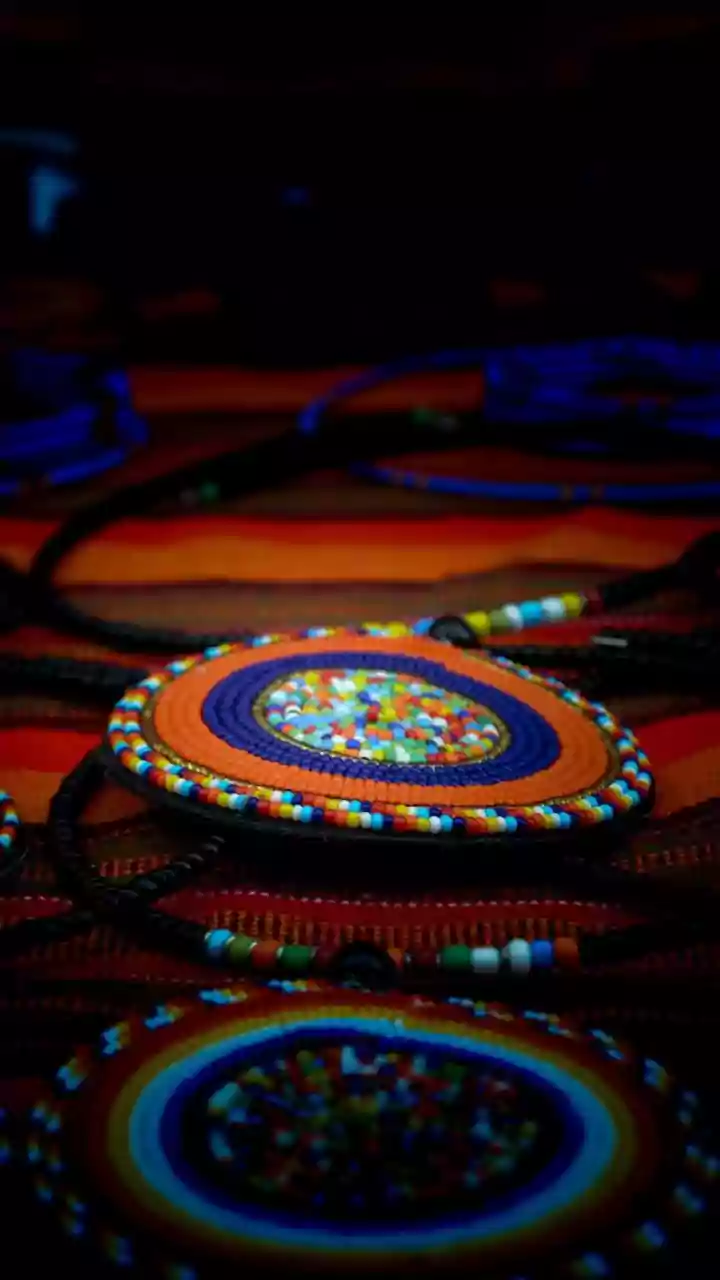
The Lovebirds' circle, a recurring motif and a reflection of the brand's community-centric approach, aligns with the ideology of creating clothing for a discerning audience. The designers described their ideal wearer as "confident, aware, and uninterested in tradition for the sake of it." This translates into a design process that respects and incorporates traditions without reducing crafts to mere heritage nostalgia or abstract contemporary art. Singh elaborated that their target wearer possesses a keen eye and can discern the difference between a craft incorporated into a design and a design that is fundamentally built around a craft. This necessitates extensive consideration of whether a specific textile, embroidery, or print is the most fitting solution for a particular silhouette or proportion, prioritizing relevance over adherence to trends or briefs. The cross-cultural exchange evident in the batik elements, for instance, was approached with minimal intervention and a reliance on intuition, ensuring authenticity and thoughtful integration.
Integrity and Evolution
Reflecting on their Sri Lankan experience, Khanna noted that stripping away the extraneous reveals the essential, leading to an inevitable clarity that Lovebirds aims to carry forward in all future collections. Lunuganga served as a powerful reinforcement of the brand's core beliefs: that integrity, authenticity, and community are paramount. Singh stated that engaging with new worlds, places, crafts, and ideas has consistently propelled the brand's growth. The next decade for Lovebirds is envisioned as a period of deepening expertise, continued experimentation, and thoughtful evolution, all while remaining steadfastly true to the brand's foundational principles. This commitment to core values, coupled with a forward-looking approach to design and craft, guides their path forward in the fashion landscape.