
Albania: A Safe Haven
For many travelers, a primary concern is personal safety, and Albania stands out as a remarkably secure destination. Contrary to any lingering misconceptions,
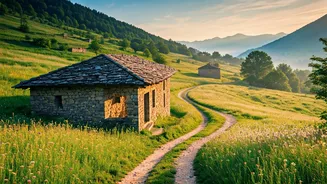
Albania boasts low crime rates, making it a comfortable and worry-free place to explore. Tourists frequently commend the genuine friendliness and helpfulness of the local population, who are often eager to assist visitors and share their culture. Whether you're navigating bustling city streets or venturing into more remote landscapes, you can generally expect a secure and welcoming environment. This sense of safety is a significant draw for those considering Albania for their next vacation, allowing for a more relaxed and immersive travel experience without constant apprehension. You can confidently plan your itinerary knowing that your well-being is well-catered for by the nation's safe atmosphere and its hospitable residents.
Budgeting for Bliss
Understanding your financial needs is crucial for any trip, and Albania offers exceptional value, making it an incredibly budget-friendly destination. Compared to many Western European countries, your money will stretch significantly further here. Accommodation options range from affordable hostels and guesthouses to comfortable mid-range hotels, all at very reasonable prices. Dining out is also a highlight, with delicious local cuisine available at low costs in traditional restaurants and cafes. Transportation, whether by bus or shared taxi (furgon), is inexpensive, allowing you to travel between cities and towns without breaking the bank. Even activities and entrance fees to historical sites are typically very affordable. This economic accessibility means you can enjoy a rich and fulfilling travel experience in Albania without needing a substantial budget, making it an attractive choice for backpackers, families, and those seeking value for their travel expenditure.
Seamless Entry & Exploration
Navigating Albania is surprisingly straightforward, dispelling any notions of difficulty in accessing or traversing the country. For many nationalities, entry into Albania is visa-free for short stays, simplifying the initial planning stages. Once inside, the transportation network, while perhaps not as extensive as some other European nations, is quite functional and affordable. Intercity buses connect major towns and cities efficiently, and for more remote areas or quicker journeys, shared taxis known as 'furgons' are a popular and economical option. Driving is also an option, though road conditions can vary, and renting a car offers flexibility for those who prefer to explore at their own pace. The friendliness of the locals often extends to offering directions or assistance, further easing the logistical aspects of getting around. Overall, getting into and around Albania is an accessible and manageable part of the travel experience.
Coastal Charms Beckon
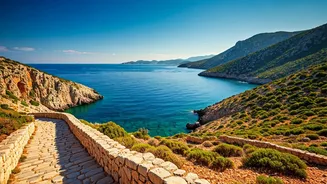
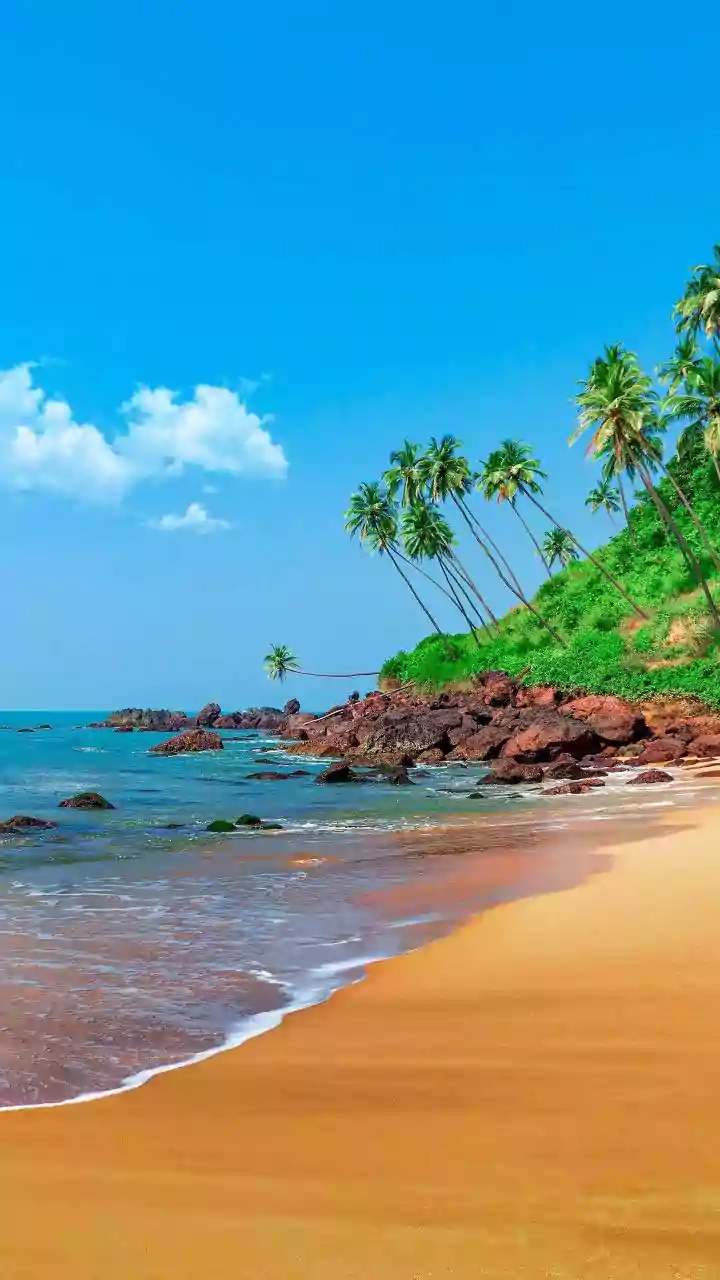
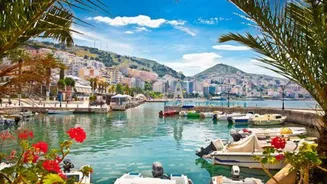
Albania's coastline is a breathtaking expanse of pristine beaches and crystal-clear turquoise waters, offering a Mediterranean paradise that rivals more established destinations. Stretching along the Ionian and Adriatic Seas, the Albanian Riviera boasts a diverse array of coastal landscapes, from secluded coves and dramatic cliffs to long, sandy stretches. Popular spots like Ksamil, with its idyllic islands, and the vibrant beaches near Saranda offer lively atmospheres, while quieter, untouched bays can be found by venturing further afield. The water is wonderfully inviting for swimming, sunbathing, and water sports. Beyond the sheer beauty, the coastal region provides a relaxed atmosphere, with charming seaside towns offering fresh seafood and a welcoming vibe. Enjoying Albania's beautiful coastline is an essential part of any visit, providing a perfect blend of natural splendor and serene relaxation.
Historic Towns to Visit
Albania is home to two exceptional UNESCO World Heritage sites, the 'museum towns' of Berat and Gjirokastra, offering a captivating glimpse into the country's rich history and architectural heritage. Berat, often called the 'City of a Thousand Windows,' is renowned for its stunning Ottoman-era houses cascading down a hillside, crowned by an ancient castle that still houses residents. The unique architectural style, with its distinctive white facades and dark-framed windows, creates an unforgettable visual spectacle. Gjirokastra, the 'City of Stone,' is equally mesmerizing, characterized by its imposing fortress overlooking a town of slate-roofed stone houses and narrow cobblestone streets. Exploring these towns feels like stepping back in time, with their well-preserved buildings, traditional craftsmanship, and evocative atmospheres. Visiting Berat and Gjirokastra is a must for anyone interested in experiencing Albania's profound historical and cultural legacy.
Top Experiences Await
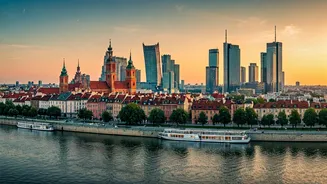
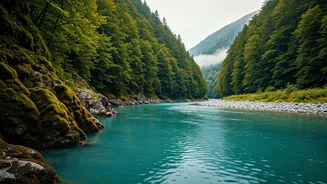
Albania offers a wealth of diverse and enriching experiences for every traveler. Beyond its stunning coastline and historical towns, adventure and cultural immersion abound. For the active traveler, hiking in the Albanian Alps provides unparalleled scenic beauty and challenging trails. Exploring the vibrant capital city of Tirana reveals a dynamic blend of history and modernity, with its colorful buildings, lively cafes, and poignant historical sites like Bunk'Art. Sampling the delicious and affordable local cuisine, a delightful fusion of Mediterranean and Balkan influences, is a sensory journey in itself. Engaging with the friendly locals and learning about their culture adds a deeply rewarding dimension to any trip. From exploring ancient ruins to enjoying the natural landscapes, Albania's top things to do promise unforgettable memories.
Time Your Albanian Escape
Determining the ideal duration for your Albanian adventure depends on your interests, but allocating sufficient time is key to truly appreciating its offerings. For a comprehensive experience that balances historical exploration, coastal relaxation, and city discovery, spending around 7 to 10 days is highly recommended. This allows for comfortable visits to major attractions like Tirana, Berat, Gjirokastra, and a taste of the Albanian Riviera. If you have more time, extending your stay to 14 days or more would enable a deeper dive into less-visited regions, more extensive hiking in the mountains, or simply more leisurely exploration of the coast and cultural sites. Even a shorter trip of 3-5 days can provide a fantastic introduction, focusing on the highlights of Tirana and perhaps a nearby historical town or coastal spot. Ultimately, how much time you spend in Albania should be tailored to your travel style and desired pace.
Best Time to Visit
The ideal time to experience Albania's diverse beauty is generally during the shoulder seasons, offering pleasant weather and fewer crowds. Spring (April to June) and autumn (September to October) are particularly favorable. During these months, temperatures are mild and comfortable, perfect for exploring historical sites, hiking in the mountains, and enjoying the coastline without the intense heat of summer. The landscapes are lush and vibrant in spring, while autumn offers beautiful colors and harvest opportunities. Summer (July and August) is peak season, ideal for beach lovers seeking warm weather and lively coastal resorts, though it can be hotter and more crowded. Winter (November to March) is cooler and can be rainy, making it less ideal for extensive outdoor activities, but it offers a quieter, more local experience and lower prices, especially for city breaks. Therefore, planning your visit for spring or autumn maximizes your chances of enjoying all that Albania has to offer.