
Pre-Race Screening Essentials
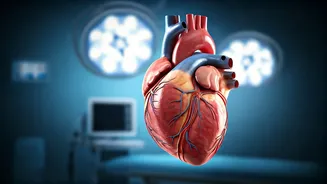
Before even lacing up your shoes for marathon training, a proactive approach to heart health is vital. Consulting with a cardiologist for a comprehensive
screening is the first crucial step. This screening typically involves an assessment of your medical history, a physical examination, and possibly an electrocardiogram (ECG) to evaluate your heart's electrical activity. Depending on your individual risk factors, further tests might be recommended, such as an echocardiogram to assess the heart's structure and function or a stress test to monitor your heart's performance during exercise. These screenings can identify underlying cardiac issues, such as undiagnosed arrhythmias or structural abnormalities, that could pose risks during the strenuous demands of a marathon. Early detection through thorough screening enables timely interventions and adjustments to your training plan, ensuring your safety and allowing you to participate in the marathon with greater confidence.
Fatigue Prevention Strategies
Fatigue during a marathon isn't just about tired muscles; it can also affect your heart. To prevent fatigue-related cardiac stress, implement a multifaceted approach. Adequate hydration is critical, so drink plenty of water and electrolytes before, during, and after the race to maintain blood volume and prevent dehydration, which can strain the heart. Proper pacing is another cornerstone of fatigue management. Avoid starting too fast; instead, maintain a consistent and sustainable pace throughout the race. Listen to your body and adjust your pace as needed. Consider incorporating regular training that simulates race conditions, including long runs at marathon pace. This helps your body adapt to the demands of the event. Ensuring sufficient sleep and a balanced diet is also vital. Prioritize getting 7-9 hours of quality sleep each night and consuming a diet rich in carbohydrates for energy, protein for muscle repair, and healthy fats for overall well-being. Incorporating these strategies will help you prevent fatigue and maintain cardiovascular health during the marathon.
Post-Race Recovery Techniques
Recovery is a crucial phase after a marathon, and it's essential for your heart's well-being. Your post-race routine should prioritize adequate rest. Give your body sufficient time to recover, and avoid overexertion immediately after the race. Gentle activities like walking or stretching can promote blood flow, aiding muscle recovery, but avoid any strenuous exercises. Rehydrate by drinking plenty of water and electrolyte-rich beverages to replenish lost fluids and minerals. Focus on a balanced diet that includes carbohydrates, protein, and healthy fats to support muscle repair and energy restoration. The body needs these nutrients to recover, and to avoid putting extra stress on the cardiovascular system. Monitor your heart rate and be aware of any unusual symptoms, such as chest pain or irregular heartbeats. If any concerning symptoms arise, seek medical attention immediately. Consider a follow-up consultation with your cardiologist to assess your heart's condition post-marathon and to tailor further recovery strategies to ensure long-term health and wellness.