





A Village That Eats Together
Imagine a life where the daily chore of cooking is a shared endeavor, not an isolated task. This is the reality in Chandanki, a small village in Gujarat,
where a communal kitchen and dining hall have become the heart of social life. This unique system emerged as a thoughtful response to a growing issue in many rural areas: the increasing loneliness experienced by elderly residents whose younger family members have moved to urban centers for work. The village head, Poonambhai Patel, inspired by his time in New York City, proposed a simple yet profound solution: a central place for everyone to gather, share meals, and connect. This initiative aims to address social isolation by creating a space for interaction and mutual support, moving beyond mere sustenance to foster genuine human connection. The concept revolves around collective responsibility and a shared vision for a more connected and happier community.
The Communal Kitchen Hub
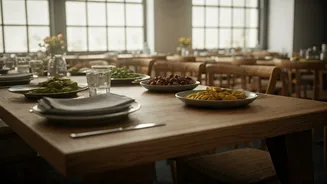
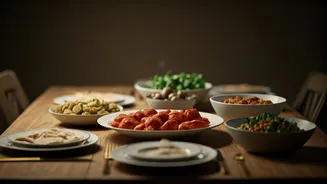
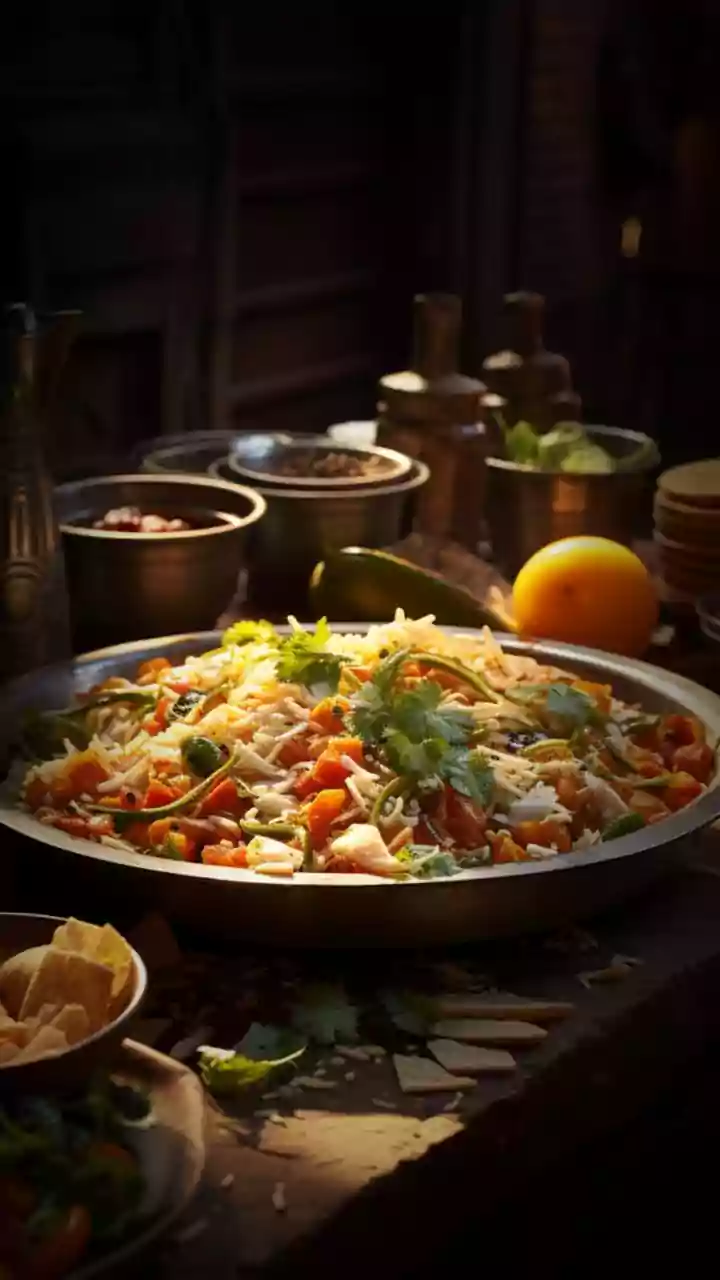
At the core of Chandanki's unique social structure lies a singular, bustling community kitchen. This central facility, typically managed by hired cooks, is responsible for preparing traditional Gujarati meals daily. The focus is on comforting, familiar home-style dishes—think hearty khichdi, soft rotis, flavorful sabzis, and refreshing chaas, with occasional festive delicacies. Residents participate in this system by paying a modest monthly fee of approximately ₹2,000 per person, which covers two nutritious meals each day. The cooks themselves receive a fixed monthly salary, ensuring the operational sustainability of the entire setup. Beyond the practicalities of food preparation and cost-effectiveness, the community hall where meals are served is an integral part of the experience. It's an air-conditioned space powered by solar panels, blending modern comfort with traditional village life. This hall transforms into a vital social hub where conversations flourish, bonds are strengthened, and a sense of belonging is nurtured.
Embracing Community Dining
The transition to a communal dining system in Chandanki was not without its initial hesitations. When the concept of a shared kitchen and dining hall was first introduced, many villagers expressed skepticism. Concerns ranged from the potential for impersonality to the fear of losing the personal satisfaction derived from cooking at home, alongside a general resistance to significant change. However, through consistent effort and visible benefits, villagers gradually began to embrace the idea. The elderly, in particular, found relief from the daily burden of cooking, freeing up their time for rest and social interaction. The dining hall evolved into much more than just a place to eat; it became a sanctuary of belonging. While cooking might have shifted from individual homes, the essence of home—filled with laughter, shared concerns, and small celebrations—found a new home in the communal hall, demonstrating that the warmth of togetherness could transcend traditional domestic roles.
The Significance of Connection
Chandanki's initiative transcends a simple culinary arrangement; it serves as a powerful testament to the profound impact of community and social relationships on overall well-being. Strong social connections are widely recognized as a cornerstone of happiness, providing a sense of security and reducing the emotional burden of life's challenges. When individuals feel acknowledged, heard, and supported by their peers, life's difficulties become more manageable, and a sense of belonging flourishes. Research consistently highlights that social connectedness acts as a significant buffer against mental health issues like depression and anxiety. Extended studies, like the 80-year Harvard study on adult development, have identified robust relationships and a sense of community as paramount predictors of long-term happiness and even improved physical health. In a world increasingly characterized by fast-paced living and social fragmentation, Chandanki offers a compelling suggestion: perhaps prioritizing communal bonds over individualistic routines is a path to greater fulfillment. The true magic may lie not in the act of cooking itself, but in the healing power of shared meals around a communal table.