





Nourish Your Liver
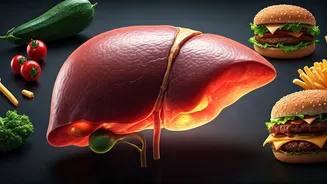
Your dietary choices play a pivotal role in liver well-being, making a healthy eating pattern non-negotiable. Maintaining a healthy weight is fundamental,
as being overweight or obese significantly increases the risk of liver-related issues. Dr. Kinha champions the Mediterranean diet for its rich blend of nutrients, anti-inflammatory properties, and antioxidants, which contribute to lowering triglyceride levels. This diet emphasizes fruits, vegetables, whole grains, legumes, nuts, olive oil, lean proteins, and fiber, while consciously limiting sugars, sweets, and fried foods. A key component highlighted is omega-3 fatty acids, found abundantly in fatty fish, walnuts, flaxseeds, and avocados, which are vital for liver health.
Moderate Alcohol Intake
The physician strongly advises curtailing alcohol consumption, including occasional social drinking, as its cumulative effect can be detrimental to the liver. Alcohol disrupts the liver's natural fat metabolism by reducing fat breakdown, increasing fat synthesis, and hindering its export. The liver processes alcohol into toxic byproducts, leading to the release of fats into the bloodstream as very low-density lipoproteins, thus causing fat accumulation within liver cells. Furthermore, alcohol triggers oxidative stress and inflammation in the liver. Reducing alcohol intake is one of the most effective strategies for alleviating liver stress due to these manifold adverse effects. For individuals predisposed to liver diseases, limiting alcohol should be viewed as a health imperative rather than an optional choice.
Embrace Movement
Regular physical activity is lauded as a superior method for preventing the onset of fatty liver symptoms. The recommendation is for at least 30 minutes of moderate exercise daily, encompassing activities like brisk walking, cycling, strength training, or yoga. Such routines are instrumental in impeding fat accumulation, enhancing metabolism, mitigating stress, improving blood circulation, and facilitating fat burning. It's important to note that an arduous fitness regimen isn't necessary; consistency is key to reaping the protective benefits for the liver. To further safeguard liver health, aiming to shed between 5 to 10 percent of one's body weight is considered significantly beneficial in reducing liver fat.
Master Stress Levels
Maintaining both physical and psychological equilibrium is essential for overall health, and your mood significantly influences liver function, making stress management a critical aspect of your daily routine. Prolonged stress elevates cortisol levels, which can precipitate various health issues, including the development of fatty liver disease. Chronic stress is identified as a primary contributor to metabolic disorders, fatty liver disease, and weight gain. Therefore, implementing stress-reduction techniques such as deep breathing, meditation, engaging in enjoyable hobbies or recreational activities, spending time in nature, and ensuring adequate sleep are highly recommended for maintaining liver health.
Prioritize Hydration
Opting for sugary drinks, sodas, and cold beverages over water, especially during warmer months, can have adverse consequences. These drinks can act as diuretics, increasing fluid loss and leading to dehydration. The doctor emphasizes the vital role of water in flushing out toxins, alleviating fatty liver symptoms, and promoting efficient digestion, all crucial for optimal liver function. Meeting your daily hydration needs by consuming at least 8 to 10 glasses of water daily is strongly advised. For an alternative to sugary drinks, consider moderate consumption of green tea, herbal tea, black tea, or coffee.