





Mango Season Challenges
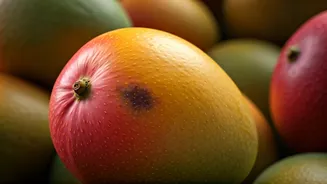
India's beloved mango season is facing significant hurdles this year due to erratic weather patterns, particularly the unusual rainfall experienced in March.
This unpredictable precipitation has severely affected mango crops, leading to an increase in early fruit drop and making the fruits more susceptible to fungal infections. While mango trees typically require water during their early fruiting stages, the unexpected downpours during the crucial flowering period have disrupted the natural pollination process. Consequently, to ensure a satisfactory yield and to be able to savor the upcoming harvest of these delicious golden fruits, it's imperative to adopt proper storage and care techniques for the mangoes that do mature.
The Paper Bag Secret
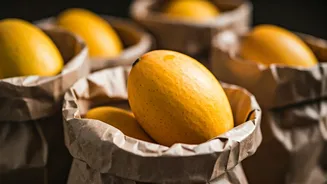
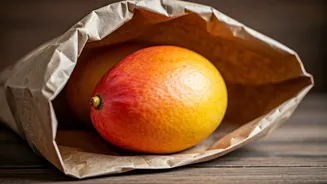
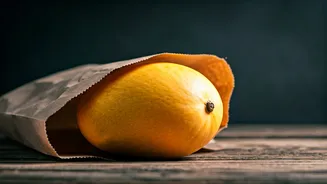
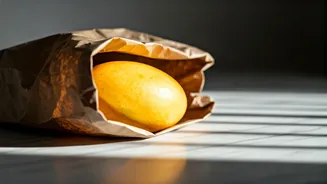
The common brown paper bags, often accumulated from quick commerce orders, hold a secret for perfectly ripened mangoes. Mangoes naturally release ethylene gas as they ripen, a process that is accelerated by the heat and humidity typical of summer. This trapped moisture can lead to spoilage and mold. Paper bags offer an ingenious solution by creating a balanced environment. They trap just enough ethylene gas to encourage even ripening while simultaneously allowing for essential air circulation. This prevents the excessive moisture buildup that often plagues fruits stored in sealed plastic bags, ensuring your mangoes develop their ideal sweetness and texture without succumbing to rot.
Generational Ripening Wisdom
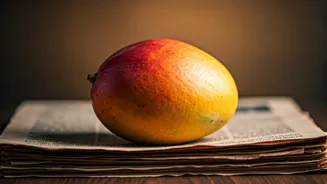
This effective mango ripening technique is far from a new fad; it's a time-honored practice passed down through generations. In the past, when farmers harvested semi-ripened mangoes from their orchards, they would carefully wrap them in newspaper. These wrapped fruits were then stored in large baskets, placed in dry, dimly lit areas away from direct sunlight. This method, known in some regions as ‘paal ka aam,’ was crucial for allowing the mangoes to ripen correctly and evenly without deteriorating. It's a testament to the wisdom of traditional methods that continue to serve us well, even in our modern, fast-paced world, providing a sustainable and effective way to enjoy fruits.
Mastering the Technique
Applying this ancestral wisdom to your own mangoes is straightforward. For entirely raw, green mangoes, place them inside a paper bag and loosely fold the top. Store these bags at room temperature, ensuring they are kept away from direct sunlight, which aids in natural, even ripening and prevents the soggy mess plastic bags can create. If you have mangoes that are partially ripe, opt for a loose bag in a cooler, shaded part of your kitchen; this controlled airflow will gently slow the ripening process, allowing them to soften perfectly. In particularly humid conditions, like during monsoons or hot summer days, lining the paper bag with a layer of tissue paper can absorb excess moisture, a crucial step in preventing spoilage. For larger quantities or bulk purchases, it's wise to isolate any over-ripened mangoes in their own individual bags. This prevents their accelerated ethylene gas release from affecting the rest of the batch, helping to keep your entire collection in sync and ripe at a more consistent pace.