




Layout Over Size
In the densely populated urban fabric of Mumbai, the perennial challenge for residents is the limited living area. Yet, architectural ingenuity is demonstrating
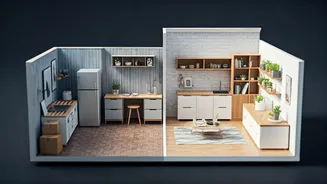
that the perceived lack of space isn't an insurmountable obstacle. Innovative renovation projects are showcasing how a home's layout and design efficiency, rather than its sheer square footage, can dramatically alter its perceived size and functionality. These transformations move beyond mere aesthetics, focusing on strategic spatial planning to unlock the full potential of existing dwelling footprints. The core idea is that a well-executed plan can make a compact apartment feel surprisingly expansive and perfectly suited to its occupants' needs, challenging the notion that more space is the only answer to cramped living conditions.
Entrance & Arrival Zones
The entryway of an apartment often serves as the first impression and a transition space. In many urban homes, this area can become a point of clutter or an underutilized passage. However, a key area of transformation involves redefining these entrances. By integrating elements like custom-designed prayer units with subtle, layered backlighting, a previously unremarkable corridor can be elevated into a distinct focal point. This approach not only adds a personal touch and a sense of spiritual calm but also effectively turns a neglected zone into a welcoming and engaging element of the home's overall design narrative, setting a positive tone from the moment one steps inside.
Living & Dining Illusion
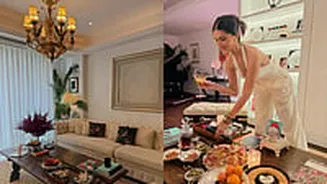
Creating an illusion of greater depth in living and dining areas is a common goal in compact apartments. This can be achieved through several design strategies. One effective method involves visually extending the space by cleverly incorporating adjacent areas, such as balconies. By treating the balcony as an extension of the interior, perhaps with visually engaging tiling or furniture, the eye is drawn outward, making the entire living space feel larger. Furthermore, the choice of furniture plays a crucial role; opting for bench-style seating in dining areas, for instance, can accommodate more people in a smaller footprint. Elevated, statement lighting, such as 'chandelier fans', not only provides illumination but also adds a touch of sophisticated design, transforming a basic area into a more curated and expansive-feeling environment.
Multi-Functional Rooms
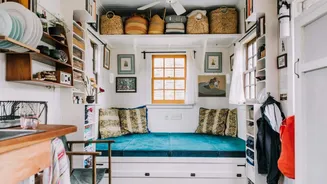
Maximizing utility in secondary rooms is paramount in space-constrained homes. A dramatic shift can occur when a room initially burdened by disorganization, such as one overwhelmed with laundry racks and scattered toys, is reimagined. By consolidating functions, a single room can become a highly efficient multi-purpose area. For example, a 'yellow taxi' themed room, exuding youthful energy, can incorporate a substantial built-in storage unit, a seamlessly integrated bed, and a dedicated study area all along one wall. This strategic consolidation transforms a potential clutter hotspot into an organized, inspiring space that serves as both a comfortable bedroom and a productive workspace, feeling significantly larger and more functional than before, despite accommodating more furniture.
Master Suite Serenity
The master bedroom can be transformed from a dark, heavy space into an oasis of understated luxury. Moving away from traditional, bulky wooden furniture, modern renovations often opt for custom cabinetry with clean lines and integrated handles, perhaps in serene color palettes like powder blue. The strategic use of large, circular mirrors can dramatically enhance the perception of space and light reflection, while textured wallpaper adds depth and visual interest. Advanced lighting solutions, such as linear LED strips recessed into ceilings, provide a sleek, futuristic glow, eliminating the need for cumbersome floor lamps and contributing to a minimalist yet sophisticated aesthetic.
Storage as Luxury
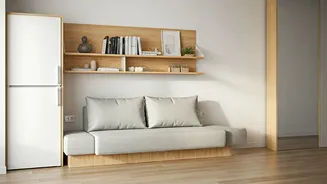
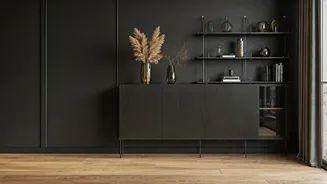
In a city where every inch counts, effectively integrating storage solutions is not just practical but represents a form of luxury. Effective renovations prioritize seamless storage that avoids the visual clutter often associated with typical urban apartments. This means moving beyond freestanding units to incorporating built-in wardrobes and storage systems that are discreetly integrated into walls, sometimes appearing almost invisible. When storage is thoughtfully designed and executed, it allows for a cleaner, more organized living environment, making spaces feel more expansive and serene, proving that smart storage is a key component of sophisticated small-space living.