




Capturing the Cosmos
Photographing the night sky requires specialized equipment designed to capture faint light and vast distances. When selecting a camera for astrophotography,
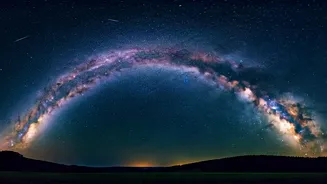
considerations include sensor size, low-light performance, and the ability to shoot in RAW format. Mirrorless cameras have become increasingly popular due to their compact size and advanced features, offering excellent options from brands like Sony, Canon, and Fujifilm, each with models specifically lauded for their astrophotography capabilities, such as the Fujifilm X-M5 for its impressive astro performance in a small package. The choice of lenses is equally critical; wide-angle lenses with large apertures (f/2.8 or wider) are essential for capturing expansive nebulae and Milky Way shots, while telephoto lenses are needed for detailed views of planets and galaxies. Brands like Sigma and the native offerings from Canon and Sony provide a range of excellent astrophotography lenses, including options like the Fujifilm XF 8-16mm f/2.8 for wider views. Furthermore, understanding which camera brand excels in astrophotography involves evaluating their sensor technology, noise reduction capabilities, and lens compatibility, with a focus on models that minimize image noise at high ISO settings.
Telescopes for Every Explorer
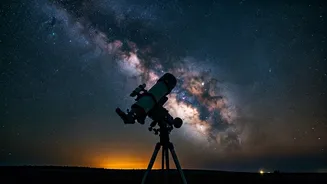
For those eager to delve deeper into the celestial realm, the right telescope makes all the difference. Beginners often benefit from user-friendly models like refractor telescopes, which offer clear views of planets and brighter deep-sky objects, or smart telescopes that simplify alignment and object finding. Brands like Celestron offer accessible options such as the StarSense Explorer LT 70AZ, designed to guide novice astronomers. For a more advanced experience or specific interests like observing planets in detail, higher-quality telescopes with larger apertures are recommended. The best telescopes for viewing planets in 2026 will offer a balance of magnification, clarity, and stability. For those seeking an all-encompassing celestial experience, star projectors can transform any room into a planetarium, with top models for 2026 offering immersive visuals of stars, nebulae, and galaxies, providing a wonderful introduction to astronomy for all ages, including excellent options for kids.
Celestial Events & Observation
Observing and photographing celestial events, such as lunar eclipses and planetary parades, requires specific preparation. For a total lunar eclipse, binoculars can significantly enhance the viewing experience, offering more detail than the naked eye and providing a cost-effective way to appreciate the event, with some models now available at even more accessible prices. Image-stabilized binoculars are particularly beneficial for steady views, especially for those with less stable hands. To photograph a lunar eclipse, particularly a 'blood moon,' key tips include using a tripod for stability, selecting manual camera settings to control exposure and focus, and understanding the eclipse's progression. Beyond eclipses, the night sky offers a continuous spectacle. The Orion constellation, with its prominent belt and the breathtaking Orion Nebula (M42), is a favorite target for both visual observers and astrophotographers. Similarly, understanding asterisms like the Big Dipper and constellations like Ursa Minor, containing Polaris, aids in navigating the sky and locating other celestial objects like Jupiter and the Pleiades star cluster.
Space Exploration Updates
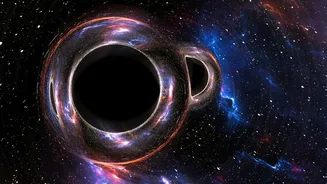
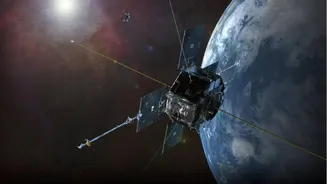
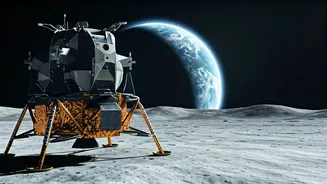
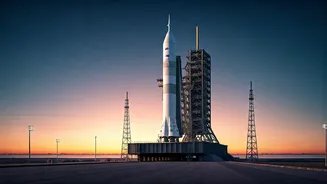
The realm of space exploration is constantly evolving, with missions pushing the boundaries of our understanding. Recent events have seen Mars orbiters meticulously documenting the impact of a solar superstorm on the Red Planet, a fortunate timing that allowed scientists to gather crucial data. Looking ahead, space agencies are accelerating ambitious endeavors, such as NASA's Artemis missions aimed at returning humans to the Moon, which necessitate the deployment of substantial hardware. Beyond planetary exploration, the universe continues to reveal its profound secrets through the detection of gravitational waves. Scientists have significantly expanded their catalog of cosmic collisions, cataloging double the number of black hole and neutron star mergers, offering unparalleled insights into extreme astrophysical phenomena. Furthermore, the ongoing threat of asteroid impacts highlights the importance of planetary defense initiatives, with some amateur telescopes now enabling citizen scientists to contribute to monitoring and potentially defending Earth.