




Decoding the 15-Device Limit
Dubai International Airport (DXB), a major global transit point, has specific regulations concerning the number of portable electronic devices (PEDs) passengers
can bring. The widely discussed '15 device rule' permits travelers to carry up to fifteen mobile phones or similar electronic gadgets. This limit encompasses devices like smartphones, tablets, e-readers, and laptops, whether packed in carry-on or checked luggage. The primary rationale behind this regulation is the stringent safety protocols surrounding lithium-ion batteries, which power most modern electronics. These batteries, while essential for our devices, can pose fire risks if damaged, short-circuited, or mishandled. Therefore, DXB enforces this limit to proactively mitigate any potential battery-related incidents, ensuring the safety of all passengers and the aircraft. It's important to remember that all devices carried must be powered off completely and adequately protected, especially when placed in checked baggage, to prevent any accidental activation or overheating during transit.
Why the Device Restrictions?
The restrictions on electronic devices at Dubai Airport are fundamentally rooted in aviation safety, particularly concerning lithium-based batteries. These batteries are classified as dangerous goods due to their inherent potential for thermal runaway, which can lead to fires. Factors such as physical impact, electrical short circuits, or excessive heat can trigger these hazardous reactions. Airports worldwide, including Dubai, implement passenger device limits and stringent packing requirements to minimize these risks. This policy also extends to power banks and spare batteries, which are essentially loose lithium batteries. While power banks are generally permitted in carry-on luggage, they require specific protection against short circuits, often by covering terminals with tape or placing them in protective sleeves. Devices with larger batteries, exceeding certain watt-hour limits, may necessitate prior airline approval or might be entirely prohibited, underscoring the airport's commitment to managing battery-related risks effectively.
Smart Packing Strategies
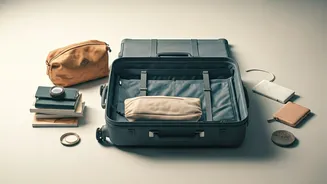
To ensure a seamless passage through Dubai Airport's security, travelers should adopt smart packing habits for their electronic devices. A critical instruction is to ensure all devices placed in checked baggage are completely powered off. This prevents accidental power-ups that could confuse security scanners or raise safety alarms. For any spare batteries or power banks, it's imperative to protect their terminals. This can be achieved by using non-conductive tape or placing them in individual protective cases to prevent short circuits. While not always mandatory, using original packaging for electronic devices can help security personnel verify their authenticity as standard consumer products, rather than posing as concealed threats. If you are carrying any specialized battery-powered equipment, such as medical devices or power tools with substantial batteries, it is advisable to inform your airline in advance. These items may have specific handling requirements or need prior approval. Lastly, keeping essential personal devices like your primary phone and laptop in your carry-on baggage is recommended for ease of access during the flight and for personal security.
Beyond Phones: Other Rules
While the '15 phone rule' garners significant attention, it's part of a broader framework of regulations enforced at UAE airports, encompassing both security and customs. Beyond the limit on portable electronics, travelers must be aware of other restricted items. Devices such as rideable scooters, hoverboards, and any equipment featuring notably large batteries are strictly prohibited in both checked and carry-on luggage. Loose spare batteries, if not adequately protected against short circuits, will also be confiscated. Standard aviation regulations regarding liquids in hand luggage also apply, with specific quantity limits in place. Furthermore, sharp objects, certain hazardous chemicals, and other unapproved items are subject to confiscation if not packed correctly or if they fall under prohibited categories. It is always best practice to consult the detailed list of prohibited and restricted items provided by Dubai Airports or your specific airline before embarking on your journey to avoid any last-minute issues.