






Financial Performance Snapshot
The third quarter witnessed a mixed bag of financial performances across different sectors. For instance, HPCL's Q3 profit surged by 35% due to improved
refining margins, indicating a positive trend in the energy sector. Conversely, UTI AMC's Q3 profit declined by 20% to Rs 121 crore, suggesting potential challenges or market fluctuations affecting their operations. Piccadily Agro saw a substantial increase, with its Q3 profit doubling to Rs 48 crore, highlighting the success of their business strategies. Dalmia Bharat also reported a robust performance, with a 94% surge in Q3 profit to Rs 128 crore. Furthermore, PNB Housing Finance's Q3 profit increased by 8% to Rs 520 crore, reflecting steady growth in the housing finance segment. DCM Shriram experienced a downturn, with a 19% drop in Q3 profit due to a one-time charge, impacting their overall financial results. Finally, Bajaj Consumer Care demonstrated strength, recording an 83% increase in Q3 profit, showcasing strong consumer demand and effective cost management.
Investment & Funding Roundup
Investment and funding activities showcased confidence in the Indian market. Aerem Solutions successfully raised $15 million in funding, indicating investor interest in renewable energy or related ventures. Tata Group expressed interest in significant investments in Telangana, with the Musi project likely to be part of their plans, signaling a long-term commitment to infrastructure development. Karnataka continued to attract attention, with substantial investments in data centers discussed at the WEF in Davos. Furthermore, the partnership between Karnataka and SICC forged industrial ties, also at WEF 2026, which would foster economic collaboration. BofA acquired a stake in RBL Bank, alongside other investment moves in Adani Green and Restaurant Brands. This signals a vote of confidence in India's banking sector. Land deals experienced a surge in 2025, according to an Anarock report, reflecting increased activity and confidence in the real estate market.
Government Initiatives & Policy
Several governmental initiatives and policy changes impacted the Indian economic and business environment. The Reserve Bank of India (RBI) approved Payoneer for cross-border payments, facilitating easier international transactions. Chandigarh saw the implementation of monthly electricity billing by CPDL, aiming to improve consumer convenience and financial management. The government's focus on critical minerals was evident, with plans for 300 projects in the pipeline, pointing toward efforts to enhance the nation’s strategic resource capabilities. The DGCA launched an electronic personnel license for pilots, contributing to streamlining regulatory processes and aviation industry efficiency. Furthermore, the government’s view on energy sectors and sustainability was being closely watched, indicating a focus on green energy transition and environmental protection. NITI Aayog's emphasis on a green transition for MSMEs reflected the drive towards sustainable business practices, encouraging small and medium-sized enterprises to adopt eco-friendly technologies. The agriculture sector sought tax relief in Budget 2027, hinting at potential support measures to aid farmers.
Market & Sectoral Developments
Different sectors saw various trends and occurrences. The textiles fair featured over 235 participants, signifying the industry’s continued importance and growth. Home loan subsidies are expected to boost affordable housing demand, impacting the real estate and financial sectors. Senco Gold & Diamonds secured IAGES accreditation. Also, Senco Gold will acquire a stake in Melorra for Rs 68 crore, signaling a strategic business move in the gold and diamond market. Indore SEZ's exports grew by 8% to exceed Rs 10,000 crore, highlighting its success in the export market. The 6 GHz spectrum was freed for Wi-Fi, potentially enhancing internet connectivity and speeds for consumers. Additionally, the partnership between Goa and Starlink aimed to boost digital connectivity across the state. In a related development, VinFast focused on expansion in Tier-3 and Tier-4 markets, indicating a targeted approach to reach new customer segments.
International Relations & Trade
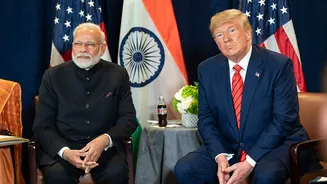
India's engagement with international partners and trade relations continued to be a significant aspect of its economic strategy. The India-UK FTA faced warnings from a UK Parliament panel, indicating potential challenges or considerations during trade negotiations. The relationship between India and the US was also in the spotlight, with reports of a good deal coming, as stated by Trump, emphasizing the importance of bilateral relations. Trade remained an integral part of India’s overall growth strategy, showcasing the nation’s increasing presence in the global arena. Discussions at Davos, including Karnataka's investment talks at WEF, reinforced India’s presence as a key player.
Other Notable News
Besides the key financial and market developments, other noteworthy events occurred. Hannah Joseph Hospital IPO opened on January 22, showcasing developments within the healthcare industry. The partnership between NHAI and Konkan Railway focused on infrastructure development, contributing to the country’s growth. Zepto removed its 10-minute delivery branding after a government suggestion, showing the impact of regulatory guidelines on business models. The DGCA issued a record number of pilot licenses in 2024, reflecting growth in the aviation sector. Several cyber fraud arrests were made in Surat for mule accounts, indicating the ongoing fight against financial crimes and fraud. Pocket FM hired Vasu Sharma as AI Head, showcasing the growing importance of artificial intelligence. Shadowfax Tech IPO was subscribed 60% on day 2. Finally, Sanjayanagar won the World Habitat Award 2026.