



Reviving Ancient Wisdom
Indian architecture is experiencing a profound renaissance, with modern designers looking back to traditional craft practices for inspiration. This isn't
about superficial decoration; it's a deep dive into techniques honed over centuries to create buildings that are in harmony with their environment. Architects are rediscovering the value of skills like intricate stone masonry, the artistry of terracotta ornamentation, and the functional beauty of ventilated jali screens. These elements are being re-engineered to serve a dual purpose: providing cultural resonance and delivering passive climate control. Structures built with these methods become living testaments to local ingenuity, demonstrating that time-honored craftsmanship offers a viable pathway to sustainable, context-specific urban development. The goal is to build spaces that are not only visually captivating but also intelligently designed to respond to climatic conditions, reducing reliance on artificial cooling and heating systems and promoting healthier living environments.
Jali's Cool Embrace
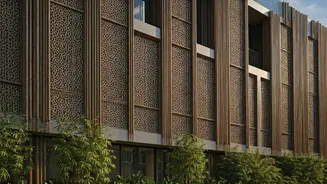
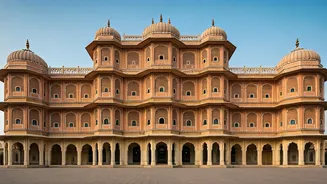
The elegant jali screens, a hallmark of Mughal and Rajput architectural styles, are experiencing a significant comeback. Historically, these perforated screens served to beautifully filter harsh sunlight while encouraging natural airflow, creating comfortable interior spaces. Today's architects are creatively reinterpreting these traditional patterns, employing them in contemporary materials like concrete, metal, and stone. These modern jali facades serve multiple functions: they manage solar gain, allowing just enough light to enter while blocking excessive heat, and they facilitate cross-ventilation, which is crucial for keeping buildings cool. Beyond their technical benefits, these intricate patterns add a layer of visual depth and cultural narrative to modern structures, proving that functional design can also be artistically rich and maintain privacy for occupants.
Bamboo's Green Strength
Hailing from the lush landscapes of north-eastern India, traditional bamboo craft techniques are emerging as a vital component in the pursuit of eco-friendly architecture. Bamboo's inherent qualities make it an exceptional building material for the modern era. It's remarkably lightweight, making construction faster and more efficient, yet it possesses impressive tensile strength and durability, rivaling conventional materials. Its rapid renewability also positions it as a highly sustainable resource, crucial for reducing the environmental footprint of buildings. Contemporary architects are now extensively utilizing bamboo not just for decorative elements but for structural frameworks, robust roofing systems, and attractive facades, showcasing its versatility and potential to create resilient and aesthetically pleasing eco-conscious structures.
Brickwork's Artistic Touch
The time-tested art of traditional brick craftsmanship is leaving an indelible mark on contemporary Indian building projects. Visionaries like architect Laurie Baker championed this approach, demonstrating the immense potential of creative brick patterns and exposed masonry. His innovative techniques highlighted how seemingly simple craft practices could result in buildings that are both aesthetically striking and remarkably effective at responding to the local climate. Modern architects are embracing this philosophy, utilizing inventive bricklaying methods to create textured walls that can improve thermal insulation and natural ventilation. This revival emphasizes the beauty and functionality inherent in the material itself, moving away from purely decorative finishes towards structural elements that contribute significantly to a building's performance and character.
Lime Plaster's Breath
The historical prevalence of lime plaster in traditional Indian construction is being rediscovered for its inherent health and sustainability benefits. Unlike modern cement-based plasters, lime plaster is a breathable material. This means it allows moisture vapor to pass through the walls, preventing dampness and condensation, which contributes to a healthier indoor environment by mitigating mold growth and improving air quality. Its natural composition also makes it a more environmentally friendly choice. Contemporary architects are increasingly opting for lime plaster not only for its restorative properties but also for the unique, subtle texture it imparts to interior and exterior surfaces, adding an authentic, natural feel to new constructions and renovations alike, thereby promoting more sustainable building practices.
Stone's Enduring Craft
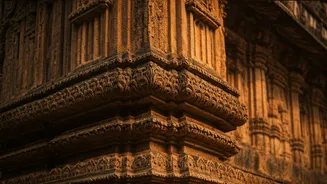
India's ancient heritage of exquisite stone carving, vividly exemplified in magnificent structures like Rani ki Vav, continues to inspire cutting-edge architectural design. Modern architects are drawing from this legacy by incorporating intricately carved stone panels and richly textured surfaces into their contemporary buildings. This integration adds a tangible sense of history and superior craftsmanship to the built environment. Beyond mere ornamentation, these techniques can also contribute to the building's thermal mass, helping to regulate internal temperatures naturally. By employing skilled stone carving, designers are imbuing their projects with a unique depth, character, and a profound connection to India's artistic lineage, creating structures that are both timeless and forward-looking.
Terracotta's Warm Hues
The ancient art of terracotta pottery is finding new expression in the facades of contemporary Indian buildings. Drawing inspiration from the rich traditions, particularly evident in regions like Kolkata with its iconic terracotta temples, architects are utilizing terracotta tiles and panels. These elements offer a beautiful, earthy aesthetic while also providing practical benefits such as excellent insulation, helping to keep interiors cool in the heat. The warm, natural tones of terracotta create inviting and visually appealing exteriors that connect with the vernacular character of the land. This revival showcases how a centuries-old craft can be adapted to meet the demands of modern construction, offering sustainable material solutions and a distinctive visual identity.