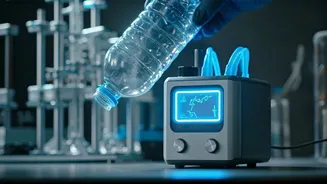









Plastic's Power Potential
The conventional understanding of plastic is that it pollutes the environment. Now, a groundbreaking scientific pursuit is turning this notion on its head.
Scientists are investigating the possibility of using plastic bottles as a source of energy. This involves harnessing the unique properties of certain plastics to generate electricity. This method could revolutionize how we perceive and utilize waste, transforming a major environmental problem into a valuable resource. It also tackles the need for sustainable energy solutions. The process is complex, involving advanced chemical engineering and material science, but the potential rewards—a cleaner environment and a sustainable energy supply—are worth the effort.
Scientific Breakthroughs Explained
The science behind converting plastic into energy is rooted in advanced material science. Researchers are focusing on creating devices that can effectively harvest energy from the unique characteristics of different types of plastic. The fundamental principle is based on the piezoelectric effect. Certain plastics, when exposed to mechanical stress, such as being bent or compressed, can generate an electrical charge. This energy can then be captured and used to power electronic devices. Current research explores different plastics, including polyethylene terephthalate (PET), which is commonly used in plastic bottles, to assess their suitability for these applications. The aim is to optimize the process to maximize energy conversion efficiency and develop practical devices for real-world use.
Applications and Innovations
The potential applications of plastic-powered devices are extensive and far-reaching. Imagine small devices, like wearable technology and sensors, that could draw energy directly from plastic waste. Beyond powering individual gadgets, the technology could be scaled up for larger applications. It could be used to create self-powered infrastructure, such as road sensors or even entire power grids. Innovations in this field are rapidly emerging. Scientists are exploring ways to improve the efficiency of energy conversion, reduce production costs, and ensure the long-term sustainability of plastic-based energy solutions. The development of new materials and methods is crucial for the wider adoption of this technology. These developments could also pave the way for a more sustainable future.
Environmental Benefits
One of the most significant advantages of this technology is its positive environmental impact. By converting plastic waste into energy, it significantly reduces the amount of plastic that ends up in landfills and oceans, helping to combat the global plastic pollution crisis. In addition, the creation of this technology helps reduce reliance on fossil fuels. It encourages a circular economy where waste materials are reused and repurposed. This method could significantly reduce carbon emissions. It contributes to a cleaner and healthier environment for future generations. The environmental gains are clear: reduced pollution, a decrease in the demand for fossil fuels, and a circular economy that makes the world more sustainable.
Challenges and Future Directions
Despite its great potential, the technology is still in its nascent stages, and there are several challenges that must be addressed before widespread adoption can occur. The efficiency of converting plastic to energy needs to be improved. The cost-effectiveness of production must be examined. There are also hurdles related to the long-term durability and reliability of plastic-based energy devices. Future research should focus on optimizing the conversion process, developing more efficient and cost-effective materials, and exploring new applications for this technology. Collaborations between scientists, engineers, and policymakers will be essential to foster innovation and ensure that these advancements are implemented responsibly. The future lies in sustainable energy solutions, and the plastic bottle holds the potential to be a game-changer.