






A Lingering Doubt
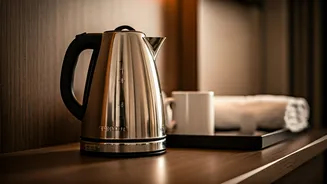
The convenience of a hotel room kettle, once a comforting ritual for a warm beverage after a long journey, has become a focal point of apprehension for many
travellers. What began as a fleeting thought about previous guests using the same linens or towels has amplified into serious concern, primarily due to the proliferation of viral videos. These online clips depict individuals using hotel kettles for purposes far removed from boiling water, such as washing undergarments or even cooking food. This trend has introduced a significant element of distrust for many, including a 33-year-old HR professional from Delhi, who stated that such videos were the direct cause of him ceasing to use hotel kettles altogether. This shift in perception highlights a fundamental disconnect between the expected cleanliness of hotel accommodations and the reality of how some guests behave, leaving travellers questioning the true state of hygiene in these shared spaces.
Hygiene and Trust
When we check into a hotel, a certain level of trust is automatically extended regarding cleanliness and hygiene standards. Hotels generally strive to provide a reassuring environment with fresh linens, spotless rooms, and neatly presented towels. However, the spotlight often shines on the in-room appliances like kettles and coffee makers, which are not as consistently replaced or rigorously cleaned as bedding and towels. This inconsistency is where guest unease often originates. Social media platforms exacerbate this discomfort with a constant stream of alarming anecdotes and videos. These viral posts showcase instances where hotel kettles have allegedly been used for everything from sanitizing dirty socks and underwear to boiling instant noodles or eggs. While the veracity of every video can be debated, their sheer volume plants a seed of doubt in the minds of travellers, prompting them to question the cleanliness and intended use of these often-overlooked amenities.
Parental Concerns
The anxieties surrounding hotel kettle hygiene are particularly pronounced among parents, especially those with infants. A 30-year-old stay-at-home mother shared her heightened awareness of hygiene, particularly when travelling with her young child. She mentioned carrying essentials like a steriliser, but was taken aback when she encountered other parents who planned to use the hotel kettle for sterilising baby bottles or reheating infant food. This revelation highlighted a stark difference in approach to hygiene and the intended purpose of appliances. The incident left her contemplating the potential risks and the inappropriate use of hotel kettles. Further fuelling this debate was a viral video from the US where an influencer demonstrated a 'travel hack' involving washing underwear with a hotel coffee maker. Despite the influencer later clarifying she had never personally tried the method, the video ignited widespread criticism and underscored the ongoing conversation about the proper use of shared hotel appliances.
Expert Insights
While the viral stories are unsettling, it's important to understand the reality of hotel kettle usage and hygiene from an expert perspective. Dr. Pooja Pillai, a consultant in internal medicine, explains that simply boiling water in a kettle, while effective at killing germs present in the water, does not sanitize the appliance itself. Over time, kettles can accumulate limescale, especially in areas with hard water. Furthermore, mould or bacteria can grow around the lid or spout if regular cleaning is neglected. Boiling water will not eliminate these buildups, meaning the appliance itself may not be fully sanitised, even if the water becomes safe to drink. Despite these points, Dr. Pillai reassures that there is no need for panic, as millions of travellers use hotel kettles daily without issue. Widespread health issues or complaints backed by substantial evidence would likely be present if these appliances posed a genuine widespread danger. The sensational stories that go viral often stem from isolated incidents of irresponsible guest behaviour, similar to how some travellers might misuse towels or leave rooms in disarray.
Navigating with Caution
Given the hygiene concerns, travellers can adopt a mindful approach rather than succumbing to fear. Hotels could significantly enhance guest trust by offering greater transparency regarding cleaning schedules. Informing guests about when linens were last changed, towels replaced, or when kettles and coffee machines underwent deep cleaning would be beneficial. Many luxury establishments already provide such details for linens. Additionally, simply asking guests if they have specific cleaning requests could improve comfort levels. On a personal level, travellers can conduct a quick visual inspection of the kettle before use, checking for any residue, peculiar smells, or cloudy water. If anything seems amiss, it's best to forgo its use. For those who remain unsure, a thorough rinse and clean before operation is advisable. When using the kettle, it's crucial to stick strictly to boiling water and avoid adding food items, milk, or anything else that could leave behind stubborn residue. These proactive steps, while not guaranteeing absolute perfection, empower travellers to feel more in control of their hotel room hygiene.