



Feel The Texture
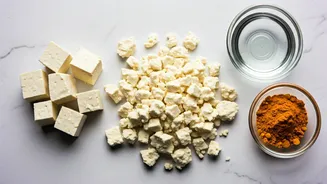
Begin by gently pressing a small portion of the paneer between your fingers. Authentic paneer typically yields a soft, slightly crumbly texture that breaks
apart easily under gentle pressure. In contrast, counterfeit versions often feel unnaturally rubbery, excessively smooth, or exhibit an unusual stretchiness. If the paneer springs back when you press it, much like a rubber ball, rather than yielding and breaking, it's a strong indicator that it might not be genuine. This tactile assessment is a quick and effective first step in determining purity.
Aromatic Appraisal
Before you even consider cooking, take a moment to inhale the aroma of the paneer. Fresh, pure paneer should possess a subtle, pleasant, and distinctly milky fragrance. Any indication of a sourness, a sharp tang, or a chemical-like smell is a red flag, suggesting the paneer might be stale or, worse, adulterated with synthetic components. The absence of any discernible smell can also be suspicious, as genuine dairy products usually have a characteristic scent. Trust your nose to detect anomalies.
The Iodine Check
For a more scientific approach, the iodine test can reveal the presence of starch, a common adulterant. To perform this, boil a small piece of paneer in water and allow it to cool. Then, introduce a few drops of iodine tincture to the cooled paneer. Should the paneer take on a blue or black hue, it signifies the inclusion of starch, often added to increase the volume of fake paneer. Pure paneer will remain unaffected by the iodine, showing no colour transformation and confirming its integrity.
Heating Pan Trial
Place a small cube of paneer onto a heated pan, ensuring no oil is added. Genuine paneer will emit a light, characteristic dairy aroma as it heats and will naturally soften, potentially releasing a small amount of milk fat. Beware if the paneer becomes rubbery, excessively oily, or releases an unpleasant odour when subjected to heat. These reactions during heating can be telling signs of artificial additives or inferior quality, offering a practical test right in your kitchen.
Warm Water Dissolution
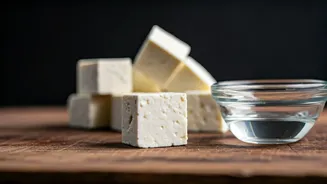
Submerge a small piece of paneer in a bowl of warm water. Observe its behaviour closely. If the paneer begins to dissolve rapidly or leaves a milky residue in the water swiftly, it suggests the presence of synthetic milk or other artificial binding agents. Authentic paneer, however, is formulated to maintain its structural integrity. It should remain firm, hold its shape, and not break down or disperse into the warm water, demonstrating its natural composition.
Color and Shine
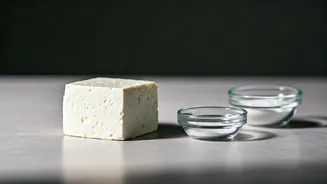
Pay close attention to the visual appearance of the paneer. High-quality, pure paneer typically displays a soft off-white or creamy tone. An unnaturally bright white, excessively glossy finish, or a perfectly uniform appearance might indicate the addition of whitening agents or other chemicals. Fresh paneer should have a natural, slightly grainy look, rather than a shiny, plastic-like sheen. A discerning eye for colour and finish can help you spot potential adulteration.