

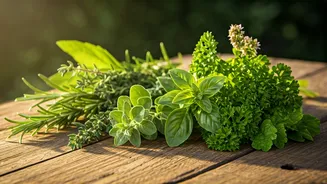
The Perennial Advantage
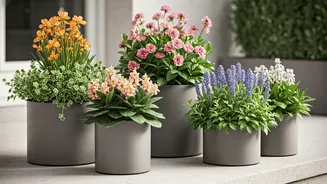
Perennial herbs offer a sustainable and economical choice for home cooks and gardeners alike, distinguishing themselves from annual herbs by their ability
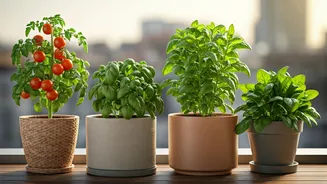
to live for more than two years. Unlike annuals, which complete their life cycle within a single year and require replanting, perennials establish deep root systems that allow them to survive through multiple growing seasons and even harsh winters. This longevity translates to cost savings on culinary ingredients over time and reduces the frequency of gardening tasks. While many popular herbs are technically perennials, their survival in colder climates depends on their specific hardiness. For gardeners in regions with distinct seasons, selecting cold-hardy varieties is crucial for ensuring a consistent harvest without the need for special overwintering measures. These robust plants can often be harvested even when frost is present, providing a continuous source of fresh flavor.
Understanding Herb Types
Distinguishing between perennial, tender perennial, and annual herbs is key to successful herb gardening. True annuals, like dill and cilantro, have a rapid growth cycle, maturing, flowering, and producing seeds all within one year before dying. Tender perennials, though capable of living for multiple years in their native habitats, are sensitive to cold and typically do not survive winter outdoors in cooler climates. Examples include basil, which is often grown as an annual in such regions. However, tender perennials can be preserved by bringing them indoors or into a heated greenhouse for the winter months. For those seeking minimal fuss and consistent outdoor harvests in colder zones, focusing on winter-hardy perennial herbs is the most practical approach, as these varieties are naturally adapted to withstand freezing temperatures and can be enjoyed year-round.
Bay Laurel's Aroma
Bay laurel (Laurus nobilis) is a remarkable perennial herb that allows you to cultivate your own source of bay leaves for cooking. While this plant thrives outdoors year-round only in USDA zones 8 through 10, its adaptability shines as it grows exceptionally well in spacious pots, making it a viable option for indoor cultivation in colder climates. Bay laurel plants are celebrated not only for their glossy, aromatic leaves, which impart a distinctive flavor to numerous dishes, but also for their pest resistance and impressive longevity. Their elegant appearance adds aesthetic value to any garden or home, proving that even a single tree can become a lasting and useful addition to your culinary arsenal and landscape.
Chives: Garden Staples
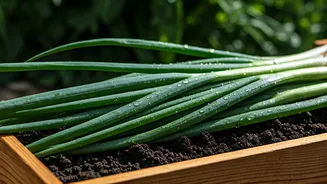
Chives are an indispensable perennial herb, thriving equally well in garden beds and containers, offering a mild, oniony flavor that enhances a wide array of dishes including soups, salads, and baked potatoes. Their impressive cold tolerance means they flourish perennially in USDA zones 3 and above, making them a reliable choice for most gardeners. Beyond their culinary uses, chives are fantastic companion plants, attracting beneficial pollinators like bees to vegetable gardens, thus contributing to a healthier ecosystem. For an intriguing variation, consider garlic chives, whose leaves possess a distinct garlic flavor, perfect for substituting garlic cloves in recipes and adding a unique twist to your cooking.
Lavender's Fragrance
Lavender plants are prized for their beautiful purple blooms and deeply fragrant foliage, but English lavender offers a delightful edible dimension. This versatile herb can be incorporated into sweet dishes, brewed into soothing teas, or used to craft innovative cocktails and mocktails. Thriving in full sun with well-draining soil, much like other woody-stemmed herbs, lavender varieties are generally winter hardy from zones 5 through 9. Its aromatic qualities extend beyond flavor, making it a popular choice for potpourri and natural pest deterrents, adding both sensory pleasure and practical benefits to the garden.
Marjoram's Warmth
Marjoram, a culinary delight, offers a unique flavor profile often described as a blend of citrus and pine. While the most common cooking variety is hardy only in zones 9 and above, allowing for year-round outdoor cultivation in warmer climates, gardeners in colder regions can successfully grow it by bringing plants indoors for the winter. Its delicate leaves can elevate a variety of savory dishes, particularly pasta sauces, adding a subtle yet distinct warmth and complexity that enhances the overall taste experience. Understanding its hardiness zone is crucial for ensuring its survival and continued harvest in your specific climate.
Mint's Prolific Nature
The mint family offers a diverse range of flavors, with peppermint and spearmint being the most readily available and easiest to grow. Other popular varieties include apple mint, chocolate mint, and lemon balm. Mints generally thrive with consistent moisture and ample sunlight. However, their vigorous growth habit can lead to invasiveness, making it essential to confine them to pots or dedicated raised beds to prevent them from spreading throughout the garden. Interestingly, native mountain mint varieties exhibit a more controlled growth pattern and are particularly beneficial for attracting local bee populations, offering an eco-friendly alternative.
Oregano's Resilience
Common oregano is a remarkably resilient perennial herb, flourishing in USDA zones 4 and up, and often maintains its foliage throughout the winter, remaining evergreen. This hardiness allows for the possibility of harvesting small amounts of oregano even during snowy periods. Beyond the common variety, exploring different types such as Greek, Mexican, or Syrian oregano can introduce new flavor dimensions and growing characteristics to your herb garden. Its adaptability and persistence make it a reliable choice for continuous culinary use, providing a steady supply of its distinct, pungent aroma and taste.
Roman Chamomile Bliss
While both German and Roman chamomile are cultivated for their use in herbal teas, only Roman chamomile is a true perennial. This variety is characterized by its shorter stature and smaller white and yellow flowers, which are highly attractive to pollinators. To encourage continuous flowering and maximize the harvest of its delicate blossoms, regularly picking the flowers every day or two is recommended. This consistent harvesting not only keeps the plant productive but also enhances the overall yield of chamomile, ensuring a steady supply for soothing teas and other gentle remedies.
Sage's Versatility
Sage stands out as a quintessential herb for flavoring roasted meats and vegetables, boasting a classic upright growth habit that typically reaches two to three feet in height. It thrives equally well in both garden plots and containers, provided it receives ample sunlight and is planted in well-draining soil to prevent root rot. While most culinary sage varieties feature soft, silvery-green leaves, gardeners seeking vibrant colors can opt for purple or tricolor sage, adding visual interest to their gardens. Its robust flavor and adaptable nature make it a garden staple.
Tarragon's Anise Notes
Tarragon, a beloved herb in French cuisine, is hardy in zones 4 and up and imparts a distinct licorice-like flavor to dishes. Its aromatic leaves are frequently incorporated into compound butters, infused vinegars, or oils, offering a unique culinary dimension. Beyond its fresh use, tarragon leaves can be preserved through freezing or drying for extended enjoyment. Adding to its charm, the plant produces buttery orange flowers that contribute color to herb gardens and are a magnet for pollinators, making it both a flavorful and visually appealing addition.
Thyme's Mediterranean Essence
Originating from the Mediterranean region, thyme is a woody-stemmed herb that flourishes in full sun and prefers well-draining, sandy soil. While common thyme is the most widely used variety for cooking, adventurous gardeners can explore others like lemon thyme, prized for its citrusy notes, or creeping thyme, which offers a low-growing habit suitable for use as an edible ground cover or even a lawn alternative. Its adaptable nature and aromatic leaves make it a cornerstone of many culinary traditions and a rewarding plant to cultivate.
Winter Savory's Depth
In contrast to its summer counterpart, winter savory is a perennial herb characterized by woody stems and a robust flavor profile featuring notes of black pepper and pine. Hardy down to zone 4, it serves as an excellent marjoram substitute in colder climates and also acts as a beneficial companion plant, helping to repel pests in vegetable gardens. To preserve its potent flavor, woody-stemmed herbs like winter savory can be harvested in bundles and dried in a warm, dry, well-ventilated area until brittle, ensuring their aromatic qualities are retained for future use.