






A Land of Spices
India's culinary heritage is deeply interwoven with its geography, climate, and the influence of various cultures. The country's diverse landscapes, from
the Himalayan peaks to the coastal plains, contribute to the wide range of ingredients available. Spices are the soul of Indian cooking, playing a vital role not just in flavor but also in medicinal properties and cultural significance. For instance, turmeric, with its vibrant yellow hue, is a staple in many dishes and is known for its anti-inflammatory benefits. Cumin, coriander, and cardamom are among the other indispensable spices, each adding a unique dimension to the dishes. The balance of these spices is what makes Indian food so distinctive and memorable, a harmonious symphony of tastes that excites the palate.
Regional Culinary Wonders
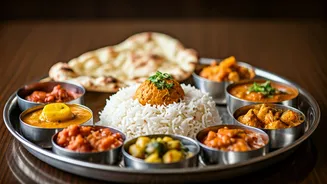
The beauty of Indian cuisine lies in its regional diversity, with each area boasting its own unique culinary style and signature dishes. North Indian cuisine, often characterized by creamy curries and rich gravies, is known for its use of dairy products and tandoor-cooked breads. Dishes like butter chicken and palak paneer are celebrated across the country and the globe. Moving south, you encounter the vibrant flavors of the Tamil Nadu, Kerala, Karnataka, and Andhra Pradesh regions. Here, rice is a staple, and the food tends to be spicier, with generous use of coconut, tamarind, and seafood. Further east, the cuisine of Bengal is known for its fish preparations and sweet desserts, while in the west, the dishes of Maharashtra and Gujarat showcase a blend of sweet, sour, and spicy flavors.
Essential Indian Ingredients
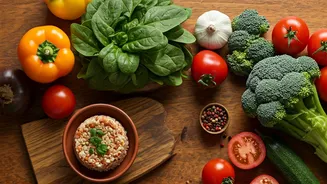
Several key ingredients form the foundation of Indian cooking, contributing to its distinctive taste and aroma. Rice, the cornerstone of Indian meals, comes in various forms, from the long-grain basmati to the shorter, stickier varieties used in specific dishes. Lentils and pulses, such as chickpeas, kidney beans, and various types of dals, are a significant source of protein and are used extensively in curries, stews, and snacks. Fresh vegetables and fruits, sourced locally, provide the vibrant colours and essential vitamins, contributing the freshness that goes with most Indian dishes. Besides, an array of aromatic spices is essential. These ingredients are often combined in unique proportions to create the complex flavors that are characteristic of Indian food, creating a wonderful array of healthy and delicious meal options.
Mastering the Spice Blend
The art of Indian cooking lies in the proper use of spices, a skill that can transform the simplest dishes into culinary masterpieces. Each spice, whether it is cumin, coriander, or turmeric, contributes its unique flavour, aroma, and even colour. The key is to understand how these spices interact with each other and how they affect the overall taste profile. For example, some spices, such as cinnamon and cloves, are used to add warmth, while others, like chillies, provide heat. The balance is not only in the proportion, but also in the method of preparation. Spices can be added whole to hot oil to release their flavours, or they can be ground into a powder and added later. Experimentation is the key: learn to combine different spices to create your own signature blends, and don't be afraid to adjust the proportions according to your taste preferences.
Iconic Indian Dishes
Indian cuisine is home to numerous iconic dishes that have gained global recognition. Butter chicken, a creamy tomato-based curry with tender chicken pieces, is a beloved dish across the world. Biryani, a flavorful rice dish often made with meat or vegetables, and a medley of spices, is another favorite, with each region having its own distinctive version. Samosas, the crispy, savory pastries filled with spiced potatoes and peas, are a popular snack, as are the various chaats, such as pani puri and dahi puri, that offer an explosion of flavors in every bite. No exploration of Indian cuisine would be complete without exploring the regional variations of these staples, along with the numerous street food delicacies that are popular and loved by everyone.
The Indian Dining Experience
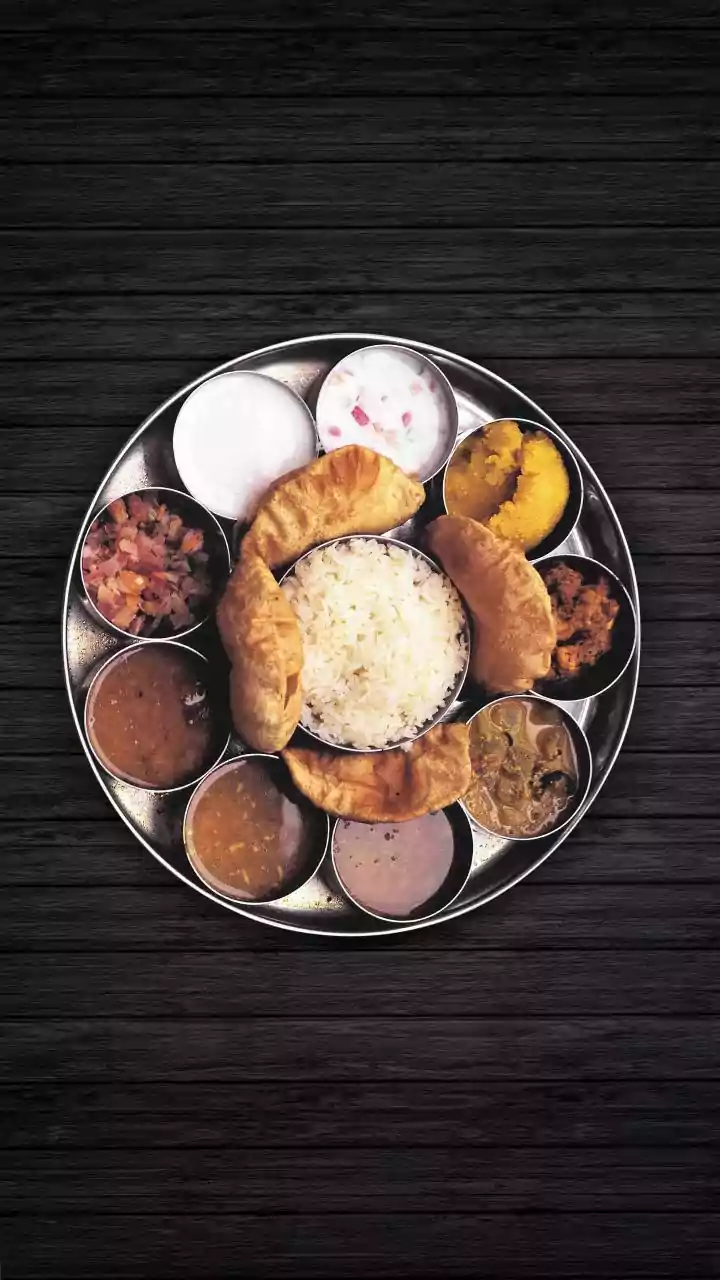
Eating Indian food is about more than just a meal; it's a sensory experience that combines flavors, textures, and aromas. Traditionally, Indian meals are often shared, fostering a sense of community and togetherness. The use of hands to eat, while common in certain regions, allows for a more direct connection with the food, allowing one to better appreciate the different textures and flavours. From the vibrant colours of the dishes to the aromatic spices that fill the air, every aspect of an Indian meal is intended to engage the senses. Whether you are dining at a high-end restaurant or a street-side stall, the Indian dining experience is one that's designed to bring people together and to celebrate the love of good food.