





The Growing Space Debris Menace
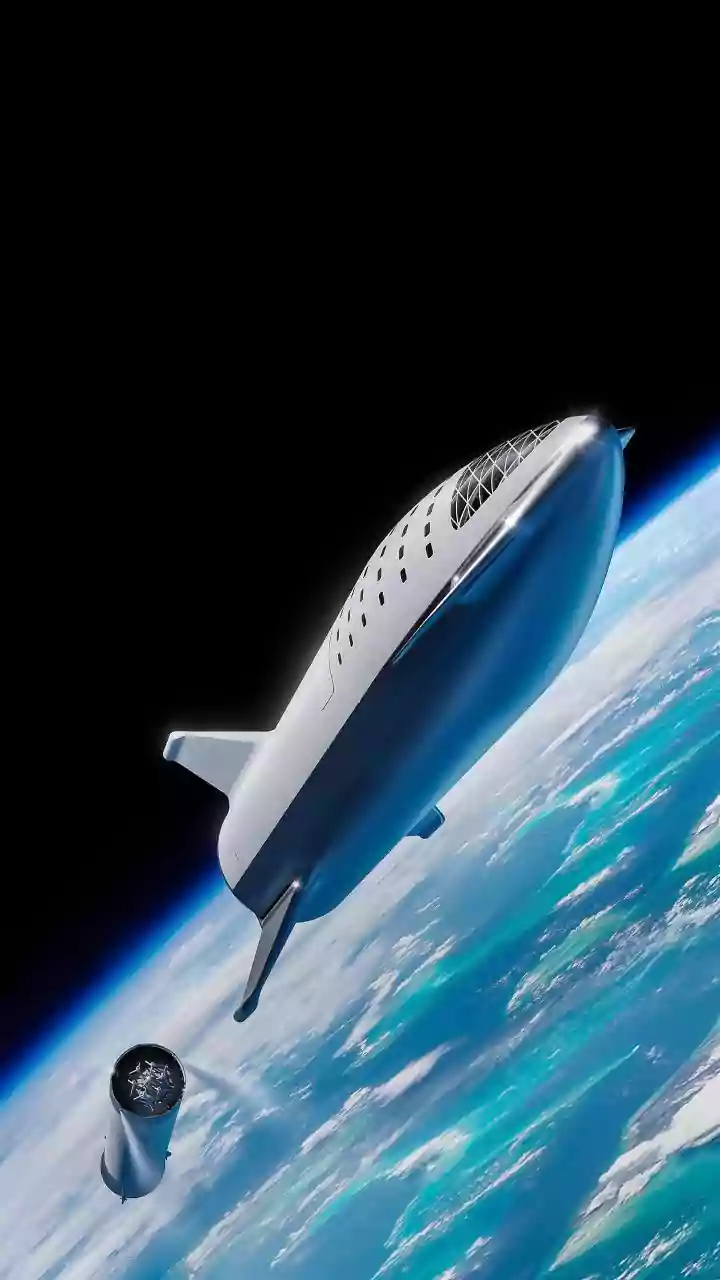
Earth's orbit is increasingly cluttered with 'space junk,' a dangerous accumulation of defunct satellites, rocket fragments, and even tiny paint flecks.
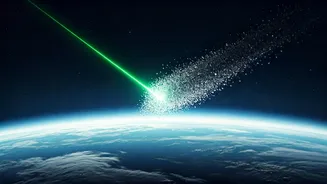
These objects, traveling at immense speeds, pose a significant risk to operational satellites and future space exploration endeavors. The sheer volume of this debris means that even minuscule pieces can inflict substantial damage. Furthermore, a concerning aspect of this growing problem is its direct link to air pollution on our planet. As this debris re-enters Earth's atmosphere, it incinerates, releasing potentially harmful chemicals. This atmospheric burning process contributes to a decline in air quality and can have wider implications for climate patterns, underscoring the interconnectedness of our space activities and terrestrial environment. The challenge lies not only in managing the debris already present but also in preventing future accumulation through more responsible space practices.
Laser Technology's Role
Scientists are harnessing innovative laser-based techniques to combat the space debris problem, offering novel solutions for both removal and atmospheric study. Ground-based or space-based lasers can be employed to actively de-orbit problematic debris. One method involves using lasers to vaporize smaller fragments, effectively disintegrating them before they can cause harm. For larger objects, lasers can be used to impart a gentle nudge, altering their trajectory to guide them into lower orbits where they will burn up more rapidly upon atmospheric re-entry. Beyond debris removal, laser technology plays a crucial role in monitoring and understanding the atmospheric impact of this debris. LiDAR (Light Detection and Ranging) systems utilize laser beams to precisely measure distances and track movement in real-time, enabling researchers to detect and analyze the chemical signatures left behind by burning space junk. This advanced observational capability is vital for quantifying the extent of atmospheric pollution resulting from space activities.
Atmospheric Impact Revealed
Recent scientific observations have provided concrete evidence linking space debris re-entry to atmospheric pollution, particularly a notable event in February 2025. Researchers detected a significant lithium cloud in the upper atmosphere, an anomaly ten times higher than typically observed. Through back-trajectory analysis, it was determined that this air mass originated from a region west of Ireland, coinciding precisely with the atmospheric re-entry of a SpaceX Falcon 9 upper stage. This finding, presented at the 2026 European Geosciences Union conference, highlights lithium's significance as an indicator of anthropogenic impacts in the middle atmosphere due to its widespread use in the space industry. Scientists anticipate that the ablation of re-entering satellites and rocket stages will become a substantial source of metallic elements in the mesosphere, a phenomenon that has been systematically under-observed until now. This new multi-channel lidar system is designed to search for various materials, including copper, aluminum oxide, and hydrogen fluoride, expected to be released during atmospheric re-entry, further quantifying the unknown consequences for our upper atmosphere and ozone layer.
Future Challenges and Solutions
The increasing frequency of satellite launches, especially with the proliferation of large satellite constellations, is demonstrably altering the composition of Earth's upper atmosphere. While natural phenomena like meteor ablation create metal layers in the mesosphere, the reentry of space hardware introduces additional mass and novel elements, leading to pollution with currently unknown effects on our atmospheric systems, including the ozone layer. Researchers are actively developing and refining advanced lidar systems, such as the multi-species lidar being improved by the IAP, to systematically search for these elements like copper. This ongoing work is critical because naturally occurring elements at these altitudes are only present in trace amounts, yet their introduction via space debris is already influencing the mesosphere and upper stratosphere to an unprecedented extent, a trend expected to escalate. Addressing this challenge necessitates international collaboration and the establishment of clear ethical guidelines for the responsible use of powerful technologies like lasers, ensuring they serve the purpose of debris mitigation and atmospheric monitoring rather than posing new risks. A holistic approach to environmental protection, encompassing both space and terrestrial concerns, is paramount.