



The Fibre Imperative
Fibre is an unsung hero in our quest for good health, playing a pivotal role in keeping our digestive systems running smoothly and our bodies functioning
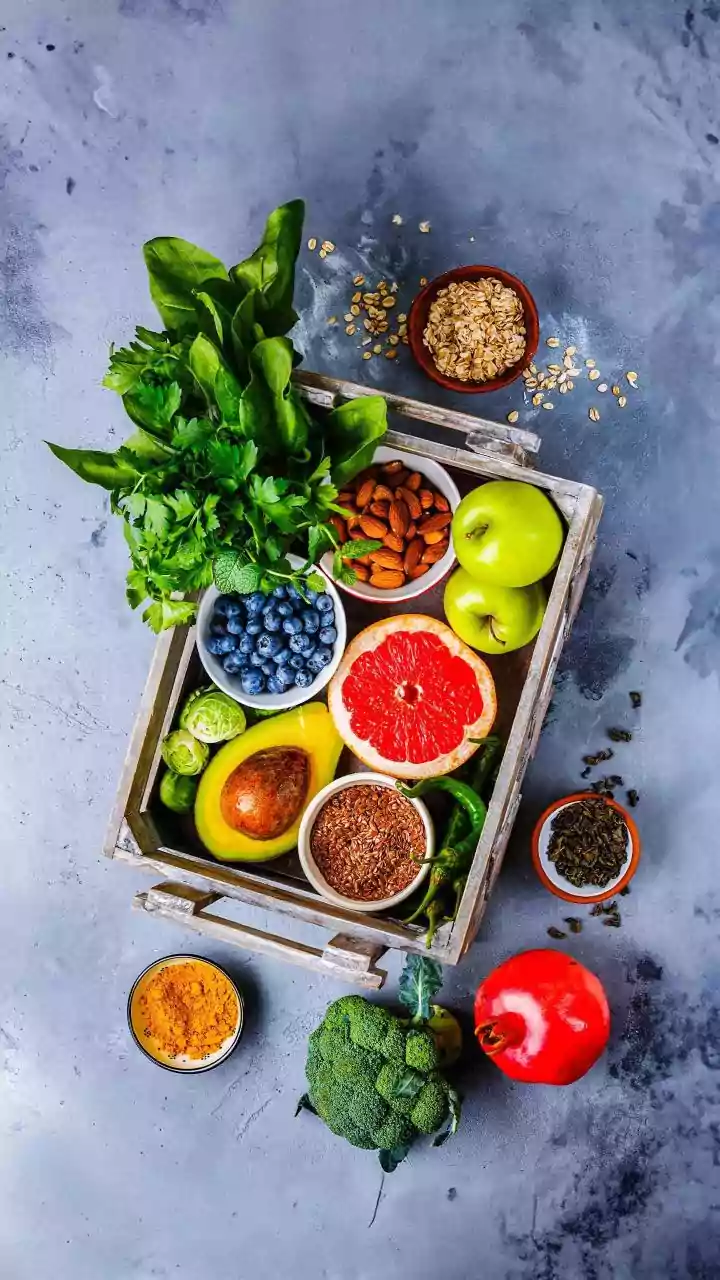
optimally. While many automatically think of leafy greens and crunchy vegetables when fibre comes to mind, the truth is that a rich tapestry of non-vegetable foods also contributes significantly to our daily fibre intake. Experts suggest that adults should strive to consume between 25 and 35 grams of fibre each day. Meeting this target becomes far more achievable and enjoyable when we embrace the variety that diverse food sources offer. Incorporating these options not only helps in preventing common digestive issues like constipation but also aids in stabilising blood sugar levels, supporting heart health by managing cholesterol, and contributing to sustained energy throughout the day. A well-rounded diet, rich in varied fibre sources, is fundamental for robust health and daily vitality.
Tiny Seeds, Big Impact
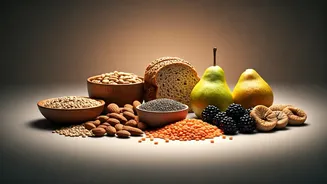
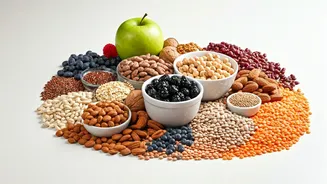
Chia seeds stand out as an incredibly simple yet potent source for boosting your dietary fibre. Just a mere two tablespoons of these tiny powerhouses can deliver approximately 10 grams of fibre, a substantial contribution towards your daily target. Their versatility is a major advantage; they can be effortlessly stirred into water, blended into your favourite smoothies, or sprinkled atop morning breakfast bowls, adding a nutritional punch without altering taste significantly. Similarly, black cumin seeds offer a dual benefit, providing about 5 to 6 grams of fibre per two tablespoons while simultaneously infusing your meals with a unique flavour profile. These seeds can be a delightful garnish for various dishes or integrated into baking recipes, enhancing both the nutritional value and taste of your culinary creations.
Legume Legends: Lentils & Chickpeas
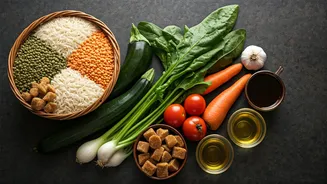
Lentils are a cornerstone of many diets, particularly in India, and for good reason. A modest half-cup serving of cooked lentils provides around 8 grams of fibre, making them an excellent choice for digestive health. Beyond their fibre content, lentils are also a remarkable source of protein, presenting them as a complete and balanced food option that supports muscle maintenance and satiety. Chickpeas, another legume champion, offer approximately 6 grams of fibre per half cup. Their adaptability in the kitchen is exceptional, lending themselves wonderfully to rich curries, vibrant salads, or even roasted into a satisfyingly crunchy snack. This versatility makes chickpeas a nutritious and incredibly convenient addition to a wide array of meals, catering to diverse tastes and dietary needs.
Fruity Fibre Boosters
When considering fibre-rich foods beyond the usual suspects, fruits emerge as excellent allies. Berries, particularly raspberries and blackberries, are outstanding choices, with raspberries offering about 8 grams of fibre per cup and blackberries closely following with approximately 7.5 grams. These vibrant fruits are also brimming with antioxidants, which are crucial for combating cellular damage and promoting overall well-being. Apples and pears, especially when consumed with their skins intact, are easily incorporated into a daily diet and provide a commendable 5 to 6 grams of fibre per serving. Their portability makes them ideal for on-the-go snacking, offering a convenient way to increase fibre intake throughout the day.
Grain Powerhouses: Oats & Quinoa
Whole grains are essential for sustained energy and gut health, and oats are a prime example. A serving of half a cup of oats typically contains around 5 grams of fibre. They are widely recognised for their benefits in helping to manage cholesterol levels, making them a popular and heart-healthy breakfast staple. Quinoa, a pseudo-cereal, offers a similar fibre content, providing approximately 5 grams of fibre per cooked cup. It’s not just its fibre that makes quinoa a winner; it's also a complete protein source and is naturally gluten-free, along with being packed with various essential nutrients, positioning it as a valuable and healthy alternative to traditional grains.
Bean Brilliance for Energy
Black beans are another fantastic legume that contributes significantly to fibre intake, offering around 7.5 grams of fibre in a half-cup portion. Their high fibre content is instrumental in promoting a healthy digestive process and is key to maintaining consistent and stable energy levels throughout the day. This makes them an excellent choice for individuals looking to avoid energy crashes and maintain focus. By incorporating black beans into meals, you not only boost your fibre consumption but also benefit from their protein and other vital nutrients, further enhancing their role as a staple for overall health and well-being.
Crafting Your Fibre-Rich Diet
Integrating these diverse, fibre-rich foods into your daily eating patterns can lead to a gradual yet significant improvement in digestive function and overall health. The key lies in variety; rather than relying on a single food group, combining different sources ensures a broader spectrum of nutrients and a more enjoyable dietary experience. To prevent potential digestive discomfort as you increase your intake, it's advisable to do so gradually and ensure adequate hydration by drinking plenty of water. For personalised dietary advice tailored to your specific needs and health conditions, consulting with a healthcare professional or a registered dietitian is highly recommended.