




Understanding PCOS Through Ayurveda
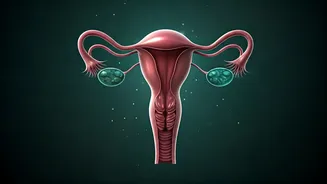
Ayurveda views Polycystic Ovary Syndrome (PCOS) not as a singular ailment but as a complex interplay of bodily energies, or Doshas, leading to metabolic
disturbances and hormonal imbalances. Unlike a one-size-fits-all approach, Ayurveda categorizes individuals into three primary constitutions: Vata, Pitta, and Kapha. For women experiencing PCOS, the manifestation of symptoms can differ significantly based on their dominant Dosha. A Vata-dominant imbalance might present with irregular or scanty periods, painful menstruation, digestive issues like bloating and gas, dry skin, hair fall, and difficulties with ovulation. Conversely, a Pitta imbalance often surfaces as acne, oily skin, excessive facial hair growth (hirsutism), male-pattern baldness, heavy menstrual bleeding, and heightened irritability or anger. The Kapha imbalance, frequently linked to weight gain, is characterized by delayed or absent periods, thick vaginal discharge, fatigue, low motivation, a feeling of heaviness in the chest, increased insulin resistance, and sluggish digestion. This nuanced understanding allows for highly personalized treatment strategies that address the root cause of PCOS within an individual's unique physiological makeup.
Herbal Remedies for Imbalance
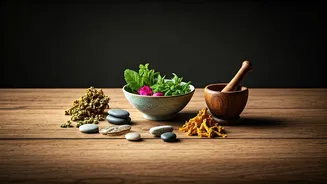
Ayurvedic treatments for PCOS are deeply rooted in the strategic use of potent herbs tailored to rectify specific Dosha imbalances. For Kapha-dominant PCOS, which often involves weight gain and cystic manifestations, a combination of herbs such as Kanchanara, Gugggulu, Tila, Shilajit, and Musta are employed. These ingredients are chosen for their ability to reduce Kapha and Meda (fat tissue), thereby addressing cystic formations, enhancing insulin sensitivity, and facilitating weight loss. When Vata Dosha is implicated, particularly in cases of irregular cycles and ovulation issues, herbs like Ashwagandha, Shatavari, Dashamoola, and Vidari are recommended. Their purpose is to normalize Vata, cultivate a healthier gut microbiome, and actively support ovulation. For Pitta-type PCOS, characterized by hormonal surges and inflammation, the focus shifts to cooling herbs. Lodra, Manjistha, Neem, Guduchi, and Satavari are utilized to modulate hormones, manage excess androgens, and reduce inflammation. Shatapushpa is specifically recognized for its role in regulating menstrual cycles and promoting overall ovulation. This herbal synergy forms a crucial component of Ayurvedic management, working in concert with dietary and lifestyle interventions.
Dietary Pillars of Healing
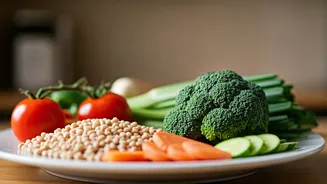
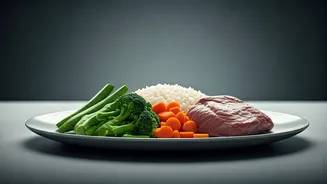
In Ayurveda, diet is not merely about sustenance but a powerful therapeutic tool, especially for conditions like PCOS and weight gain. The guiding principle is to consume foods that are light, easily digestible, and conducive to a healthy metabolism. Grains like barley and unpolished rice, along with legumes such as moong dal and horsegram, are highly recommended. Vegetables possessing bitter or pungent tastes, including bottle gourd, ridge gourd, ash gourd, and pumpkin, are beneficial for balancing Doshas and aiding digestion. Hydration is emphasized through warm water, while cold beverages are discouraged to prevent disrupting the digestive fire. Equally important is the avoidance of certain foods: refined flours, excessive sugars, fried items, alcohol, and highly processed foods can exacerbate imbalances and hinder progress. For those with a sweet craving, honey is considered a natural sweetener, best used in moderation. This meticulous attention to dietary choices aims to create an internal environment that supports hormonal equilibrium and efficient metabolic function, forming a cornerstone of Ayurvedic PCOS management.
Lifestyle: The Path to Balance
Beyond diet and herbs, Ayurveda emphasizes a holistic integration of lifestyle practices to restore hormonal and metabolic harmony, particularly crucial for managing PCOS and weight concerns. A consistent daily routine is paramount, incorporating regular physical activity. This can range from brisk walking and mindful yoga to invigorating breathing exercises, with the goal of inducing gentle sweating and calorie expenditure, which aids in regulating the hormonal system and metabolism. Proper sleep hygiene is also critical; both sleeping during the day and insufficient sleep at night can trigger significant hormonal and metabolic imbalances. Furthermore, practices like intermittent fasting and calorie restriction are strongly advised for those struggling with a weakened metabolism and insulin resistance, helping to reset and strengthen these vital bodily functions. Adhering to these lifestyle modifications creates a supportive ecosystem for the body to heal and achieve sustained well-being.
Panchkarma for Deep Detoxification
Panchkarma, the ancient Ayurvedic detoxification and rejuvenation therapy, plays a significant role in addressing PCOS and associated weight issues by working at a deeper physiological level. This process is meticulously customized based on an individual's unique Prakriti (constitution) and Vikriti (current imbalance), acknowledging that no two PCOS cases are identical. The primary objectives of Panchkarma for PCOS are detoxification, metabolic correction, and hormonal regulation. Preparatory procedures, such as Snehapana (internal oleation) and Swedana (herbal steam therapy), help mobilize accumulated toxins from tissues back into the digestive tract for elimination. Specific Panchkarma procedures are then selected: Vamana (therapeutic emesis) is often employed for Kapha-dominant PCOS to enhance fat metabolism and address cystic conditions arising from metabolic and hormonal disruptions. Virechana (therapeutic purgation) is indicated for Pitta-dominant cases, aiding in liver detoxification and improving insulin resistance. Basti, particularly Niruha Basti (decoction enema) and Uttar Basti (medicated enema administered into the reproductive tract), are considered highly vital as they directly work on Apana Vata (the downward-moving energy), improving pelvic circulation, promoting ovulation, and normalizing menstrual cycles. Panchkarma's strength lies in its ability to provide systematic, long-term correction rather than superficial symptomatic relief.
Personalized Wellness Goals
A cornerstone of Ayurveda's efficacy in managing PCOS and weight gain is its deeply personalized approach, recognizing that a universal diet or medicine simply does not exist for everyone. The journey towards better health involves understanding that fluctuations in weight loss are a normal part of the process. The ultimate aim transcends mere physical appearance; it centers on cultivating a sense of improved energy levels, establishing regular menstrual cycles, enhancing digestive function, and fostering emotional well-being. This holistic perspective ensures that treatment is not just about symptom management but about achieving a profound and sustainable improvement in overall quality of life and vitality.