

Expired & Unused Goods
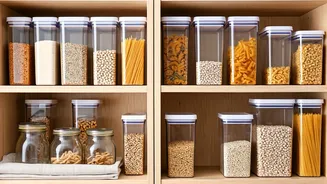
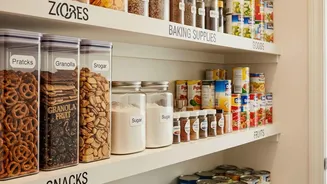
Many of us hoard items in our homes that have long passed their prime. This includes expired medications that pose health risks, cosmetics that have lost
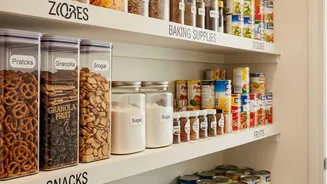
their efficacy and could cause skin irritation, and pantry staples that are no longer safe or palatable. Regularly auditing your drawers and cabinets for these items is a vital step in maintaining a healthy living space. Not only do these forgotten products take up valuable room, but their continued presence can also introduce potential hazards. Consider donating any still-usable non-perishable items or unopened toiletries to local charities before discarding the rest responsibly. This proactive approach ensures your home is free from unnecessary clutter and potential health concerns.
Wardrobe Castoffs
Over time, our wardrobes become repositories for clothing that we rarely, if ever, wear. Reasons range from changes in personal style and shifting fashion trends to alterations in body shape or simply a change in preference. Holding onto these garments, however, contributes significantly to closet clutter and can make selecting an outfit a frustrating experience. By systematically reviewing your clothing and deciding what to keep and what to let go of, you can reclaim valuable storage space and bring a sense of order to your dressing area. Items in good condition can find new life through donation to thrift stores or charitable organizations, while those that are too worn can be recycled or disposed of. This process revitalizes your closet and contributes to a more streamlined personal presentation.
Broken & Idle Items
A common pitfall in home organization is the accumulation of items that are broken or have been rendered obsolete. These objects, often kept with the vague intention of 'fixing them someday,' occupy significant space and serve no functional purpose. Think of those old, non-working electronics, malfunctioning appliances, or furniture with irreparable damage. Allowing these items to linger creates visual clutter and limits your ability to store and utilize items that are actually in use. Decluttering these broken or disused possessions frees up physical space, making your home feel larger and more functional. Their removal is a direct step towards a more organized and less stressful living environment.
Paperwork Pile-Up
Homes are frequently inundated with a wide variety of paper documents, including receipts, old mail, outdated manuals, and miscellaneous notes. While some documents are legally required to be retained for a specific period, a vast majority become irrelevant over time, contributing to significant clutter. Sorting through this paper avalanche and identifying what can be safely discarded is a crucial step towards organization. Consider digitizing important documents to reduce physical storage needs and embrace paperless alternatives whenever possible. A well-organized system for essential papers, combined with the decisive disposal of unnecessary ones, significantly tidies up your living space and reduces mental overhead.
Redundant & Duplicate Goods
Many households accumulate multiples of everyday items, particularly in areas like the kitchen. Having several sets of cutlery, an abundance of mismatched mugs, or multiple seldom-used gadgets can lead to significant storage challenges, especially in smaller homes. This duplication of items, while perhaps seeming practical at first, often results in unnecessary clutter and inefficiency. Streamlining your belongings by keeping only what you regularly use and need can dramatically improve organization within your kitchen and other spaces. It simplifies routines, makes items easier to find, and frees up valuable cabinet and drawer space, contributing to a more serene and functional home environment.