





Grass Type Matters
The first step to understanding why your lawn is looking parched is to identify the type of grass you have. This is crucial because different grasses have different needs
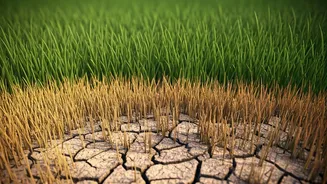
and tolerances. Cool-season grasses, like Fescue, Kentucky bluegrass, and perennial ryegrass, are adapted to milder climates. When temperatures soar and rainfall is scarce during hot summer months, these grasses naturally enter a dormant state. This dormancy is a survival mechanism, allowing the grass to conserve moisture and energy by turning brown temporarily. It doesn't necessarily mean the grass is dead; it's often just resting and will typically recover its green color when conditions become more favorable. On the other hand, warm-season grasses, such as Bermuda, Zoysia, St. Augustine, and Bahia, are built for summer heat and actually thrive during this time. However, even these resilient grasses can succumb to browning if subjected to extreme drought or if they're growing in poor soil that struggles to retain any available moisture. Knowing your grass type helps you differentiate between normal seasonal dormancy and a more serious problem requiring intervention.
Soil, Thatch, and Pests
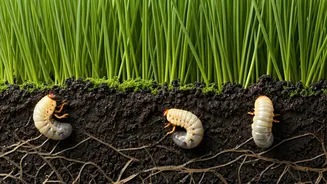
Beyond grass type, several other factors can contribute to a brown lawn, even when you're providing ample water. Soil compaction is a significant issue, particularly in areas of your yard that experience heavy foot traffic. When soil becomes too dense, it prevents water and nutrients from effectively reaching the grass roots, essentially starving them. Another common problem is thatch buildup, which is a layer of dead grass material that accumulates between the green grass blades and the soil surface. A thick thatch layer can act as a barrier, hindering water penetration and creating an environment conducive to disease. Pests also pose a serious threat. Grubs, the larvae of certain beetles, burrow into the soil and feed on grass roots, weakening the lawn and causing browning. Cinch bugs are another common culprit, sucking the sap out of grass blades and leaving behind unsightly brown patches. Identifying and addressing these issues is vital for restoring and maintaining lawn health.
Mowing and Disease
Improper mowing practices and lawn diseases can also lead to a browning appearance. Many homeowners make the mistake of cutting their grass too short, especially when transitioning from spring to summer. Mowing too low stresses the grass, removing too much of the leaf blade and making it harder for the grass to photosynthesize and retain moisture. It's often recommended to increase mowing frequency and adjust the mower height as temperatures rise. Lawn diseases, such as summer patch, can also wreak havoc on your lawn, causing distinct brown spots that can spread if left unchecked. These diseases thrive in certain environmental conditions and can stress the grass significantly. Recognizing the visual signs of disease, like circular patterns or musty odors, is key to early detection and treatment. Combined, these factors highlight that a healthy lawn requires more than just consistent watering; it demands thoughtful care regarding mowing and vigilance against disease.
Preventative Care Strategies
To combat a browning lawn, a proactive approach to care is essential. Continue to water your lawn deeply, aiming for one to two sessions per week with about an inch of water. It's best to water in the early morning to minimize evaporation and allow the grass to absorb the moisture thoroughly before the heat of the day. Avoid shallow, frequent watering, as this encourages shallow root growth, making the grass more susceptible to drying out. However, be mindful of overwatering, which can create conditions favorable for fungal diseases. Regularly removing thatch layers through dethatching is crucial for allowing water and air to penetrate the soil. Aerating the soil also helps alleviate compaction, improving drainage and root growth. Vigilantly inspect your lawn for signs of pests like grubs; a simple test is to try lifting a section of turf—if it pulls up too easily, grubs may be present. Addressing fungal issues involves identifying the type of fungus and applying appropriate treatments. Furthermore, keeping grass at an optimal height and using a fertilizer rich in potassium can significantly bolster the lawn's resilience.
Additional Lawn TLC
Beyond the core maintenance, several additional tips can contribute to a healthier, greener lawn. Regularly sharpening your mower blades is often overlooked but vital. Dull blades tear grass, leaving ragged edges that are more prone to disease and browning. Letting grass clippings remain on the lawn after mowing is a beneficial practice; they act as a natural fertilizer, returning nutrients to the soil and helping to retain moisture. During periods of extreme heat, it's generally advisable to avoid fertilizing, especially for cool-season grasses, as this can further stress them. Instead of applying broad-spectrum herbicides, consider spot-treating weeds, particularly when the weather is harsh. This targeted approach minimizes stress on the surrounding grass. Finally, mulching garden beds and the areas around trees is a smart strategy. Mulch helps to suppress weed growth, reduce water competition from surrounding plants, and keep the soil and tree roots cooler, creating a more favorable environment for your lawn.