
Solar Storm Unveiled
The occurrence of the largest solar storm in 20 years is a significant event, sparking widespread interest and concern. This type of solar event originates
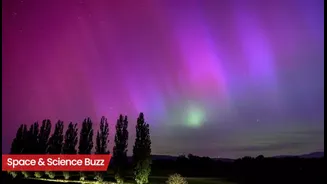
from the sun's activity, specifically, coronal mass ejections (CMEs). During a CME, the sun releases a massive burst of plasma and magnetic field into space. When directed towards Earth, this solar material interacts with our planet's magnetic field. This interaction results in geomagnetic storms that can affect various systems. The recent storm provided some spectacular displays of the Northern Lights, captured in vivid videos and images across various regions. These displays, also known as auroras, are a beautiful byproduct of the interaction between solar particles and Earth's atmosphere.
Understanding Geomagnetic Storms
Geomagnetic storms are triggered by solar events like CMEs. As the solar material reaches Earth, it interacts with the magnetosphere, leading to disturbances. The intensity of these storms is measured on a scale, with the most severe storms classified as G5. These storms can cause fluctuations in the Earth's magnetic field, affecting technologies. One notable impact is on satellite operations. The radiation and energetic particles can damage or disrupt satellite electronics, potentially impacting communications, navigation, and other services that rely on satellites. Another significant effect is on power grids. Geomagnetic storms can induce currents in power lines, causing voltage fluctuations and even blackouts. Furthermore, they can interfere with radio communications and GPS signals, affecting aviation, maritime operations, and other forms of communication that rely on these technologies. Space weather forecasting, therefore, is an important discipline.
Impact and Implications
The recent solar storm, with its intensity and effects, underscored the importance of understanding space weather. The disruption of satellites and power grids is a serious concern, highlighting the need for robust mitigation strategies. This involves implementing measures to protect infrastructure. Power companies, for instance, are working to install protective devices to prevent surges, and satellite operators are designing spacecraft to withstand the impacts of space weather. Advanced warning systems and forecasting models are also important. These tools can provide insights into the likelihood of storms, enabling better preparations and allowing for timely interventions. Beyond the immediate impact, the solar storm serves as a reminder of the dynamic nature of our space environment and the need for continued research. The study of solar activity, the magnetosphere, and the various impacts of space weather is crucial for anticipating future events and minimizing the potential risks.
What to Expect?
After a major solar storm, certain after-effects can linger. The aurora displays may continue for a time, albeit with diminished intensity. There might also be continued disruptions to technology, with satellite operators monitoring and managing the impact on their fleets. Power grids and other critical infrastructure will remain on alert. There is often a surge in public interest and awareness of space weather. This interest drives demand for real-time information and insights. The scientific community will be busy analyzing the data from the solar storm to refine forecasting models and improve understanding of the complexities of space weather. The insights gained from such events help scientists to improve their understanding of the solar-terrestrial connection and enhance predictive capabilities. The aftermath underscores the need for continuous research, enhanced mitigation strategies, and improved preparedness to deal with future space weather events.