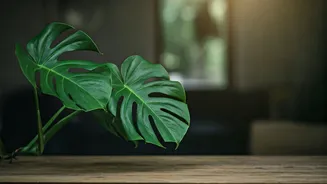

Light: The Winter Struggle
Reduced sunlight hours are a major winter concern for houseplants. Many plants require abundant light to perform photosynthesis, the process that fuels
growth and blooming. During winter, days become shorter, and the sun's angle changes, often resulting in less light reaching indoor plants. Position your plants near windows that receive the most sunlight, typically those facing south. Consider supplementing natural light with artificial grow lights, especially for light-hungry plants. Rotate plants regularly to ensure all sides receive adequate light, encouraging balanced growth and preventing them from leaning towards the light source. Monitor your plants for signs of light deficiency, such as elongated stems, pale leaves, or failure to bloom, which indicate they are not receiving sufficient light during this time.
Watering: Avoiding Overwatering
Overwatering is a common winter pitfall, often more detrimental than underwatering. During winter, plants' metabolism slows down, reducing their need for water. Excessive watering can lead to root rot, a condition where roots decay due to constantly wet soil. Before watering, always check the soil moisture. Stick your finger into the soil or use a moisture meter to assess the dryness. Water only when the top inch or two of soil feels dry to the touch. When you do water, do so thoroughly, allowing excess water to drain out of the pot. Ensure your pots have drainage holes to facilitate proper drainage and prevent water from accumulating at the bottom, which can also contribute to root rot. Adjust your watering frequency based on your plant's needs and the environmental conditions, typically watering less frequently in winter compared to warmer months.
Pruning: When It Helps
Pruning houseplants in winter should be done judiciously. While some plants benefit from pruning during this dormant period, others may be negatively impacted. Pruning helps to remove dead or diseased growth, improves airflow, and encourages new growth in the spring. If your plant is overgrown or has leggy stems, winter is a good time for light pruning. Avoid heavy pruning, which can stress the plant during its period of reduced activity. Use clean, sharp pruning shears to make clean cuts, and disinfect the tools between plants to prevent the spread of disease. Research the specific needs of your plant, as some, like those that bloom on old wood, should be pruned after flowering rather than in winter.
Humidity: Dry Air Woes
Low humidity is a significant challenge in winter due to indoor heating, which dries the air. Many houseplants thrive in humid environments, and dry air can lead to problems like leaf browning, crispy edges, and increased susceptibility to pests. Increase humidity around your plants by placing them on a tray filled with pebbles and water, ensuring the pot's bottom doesn't sit in the water. Regularly misting your plants can also provide temporary humidity, although it's not a long-term solution. Grouping plants together can create a microclimate with higher humidity levels. Alternatively, consider using a humidifier to boost the overall humidity in the room, particularly if you have many plants or live in a very dry climate during this time.
Fertilizing: A Gentle Approach
Fertilizing during winter should be approached with caution. During the dormant period, plants' growth slows down, and they require fewer nutrients. Over-fertilizing can lead to salt buildup in the soil, potentially harming the roots. If you fertilize at all, use a diluted solution of a balanced liquid fertilizer, applying it less frequently than during the growing season. Some gardeners choose to stop fertilizing altogether during the winter months, allowing the plants to rest and conserve energy. Always follow the fertilizer's instructions carefully, and be mindful of your plant's specific needs and the environmental conditions indoors.
Pests: Vigilance is Key
Winter can bring increased pest activity as dry indoor conditions provide favorable environments for certain pests. Inspect your plants regularly for signs of infestations, such as tiny insects, webs, or discolored leaves. Isolate any infested plants immediately to prevent the spread to others. Treat pest problems promptly using appropriate methods, such as insecticidal soap, neem oil, or horticultural oils. Ensure adequate air circulation around your plants, as this can help deter pests and prevent fungal diseases. Keep a close watch for common indoor pests like spider mites, mealybugs, and aphids, and learn to identify the early signs of infestation to intervene quickly before significant damage occurs. Remember to check the undersides of leaves and in crevices, where pests often hide.