

Waste Not, Taste More
In the culinary world, the concept of 'reducing waste' often conjures images of arduous tasks. However, for acclaimed chef and restaurateur Karan Gokani,
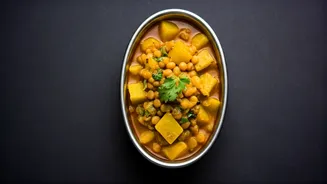
it's an exciting avenue for culinary innovation. In a widely shared Instagram video on January 22nd, Karan unveiled what he considers a vital 'life skill': the art of converting yesterday's uneaten curry into a fresh, comforting plate of pulao. This isn't just about preventing food from ending up in the bin; it's about unlocking new layers of flavour and texture from familiar ingredients. Gokani’s approach champions a practical yet soulful way of cooking that resonates deeply in today's world, where making the most of what we have is increasingly important. It's a testament to how a thoughtful culinary approach can yield surprisingly delightful results while adhering to sustainable practices.
The 'Anti-Biryani' Pulao
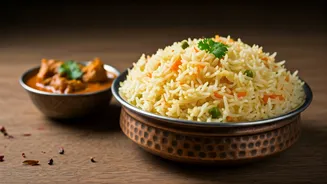
Chef Karan Gokani's ingenious method for revitalizing leftover curry involves transforming it into a vibrant pulao. This technique offers a departure from simply reheating the original dish; instead, it uses the existing curry as a rich, flavourful liquid to cook rice. While some might liken this to a biryani, Gokani is keen to differentiate. He emphasizes that this is fundamentally different from a biryani, which is characterized by its intricate layering and complex preparation. His method, he explains, is a straightforward pulao (or pilaf) technique. In this process, each grain of rice absorbs the seasoned liquid as it cooks, resulting in a dish that is typically lighter, quicker to prepare, and often boasts an even more pronounced flavour profile than the original curry itself. The rice acts as an absorbent canvas, capturing and amplifying the nuanced spices and aromas from the leftover curry.
Crafting the Pulao
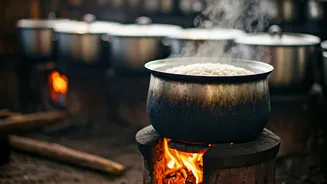
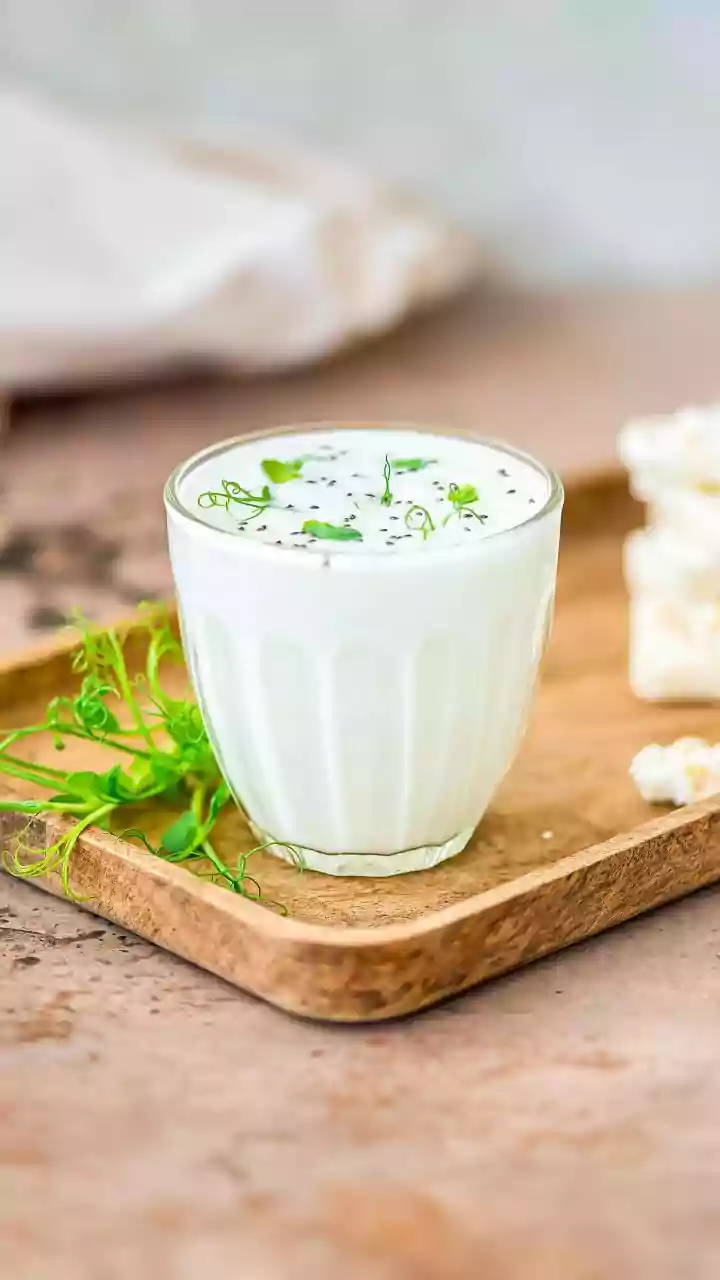
Karan's method for creating this delicious leftover curry pulao hinges on building a fresh aromatic base before introducing the pre-existing flavours of the curry. The process begins with sautéing sliced onions and whole spices in a bit of ghee, butter, or oil until they achieve a deep, rich caramelisation. Following this, the leftover curry is added to the pot. A crucial step here is assessing the curry's consistency; if it's overly creamy or thick, it should be thinned with water until it resembles a brothy consistency rather than a heavy sauce. Washed and soaked rice is then stirred into this mixture and allowed to cook briefly. The pot is then covered with a tightly fitting lid, and importantly, the rice should not be stirred thereafter. The gentle steam generated does the work, ensuring the liquid is fully absorbed and the rice grains remain light and separate. Upon completion, the steaming pulao is typically garnished with fresh herbs, slivers of ginger, and finely chopped chillies, and is best served with a simple side of cool yoghurt and a fresh green chilli for a touch of heat.
The Golden Rule
Chef Gokani highlights a key principle for the success of this hack: simplicity. This method is most effective with curries that are not excessively rich or creamy. The objective is to create a 'well-seasoned liquid' that will allow the rice to cook up light and fluffy, with each grain remaining distinct. To complement the flavourful pulao, Gokani suggests keeping the accompaniments minimal. Serving it with a side of cooling yoghurt and fresh green chillies provides a perfect balance, offering a refreshing contrast and a hint of spicy kick without overwhelming the delicate flavours of the rice and curry infusion. This mindful approach ensures that the star of the meal remains the creatively repurposed curry, making it a masterclass in practical yet soulful home cooking, especially relevant for those seeking to extend their groceries without compromising on taste.