



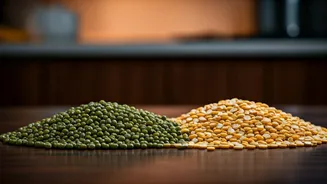
The Heart of Langarwali Dal
Langarwali Dal is more than just a meal; it's an experience steeped in tradition and made with profound care. This dish, a staple often found in community
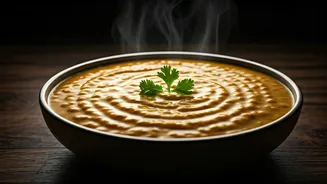
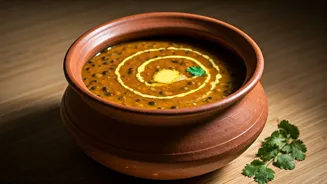
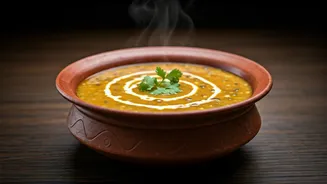
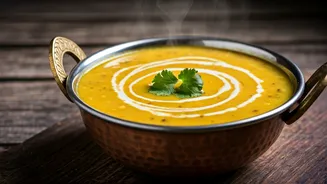
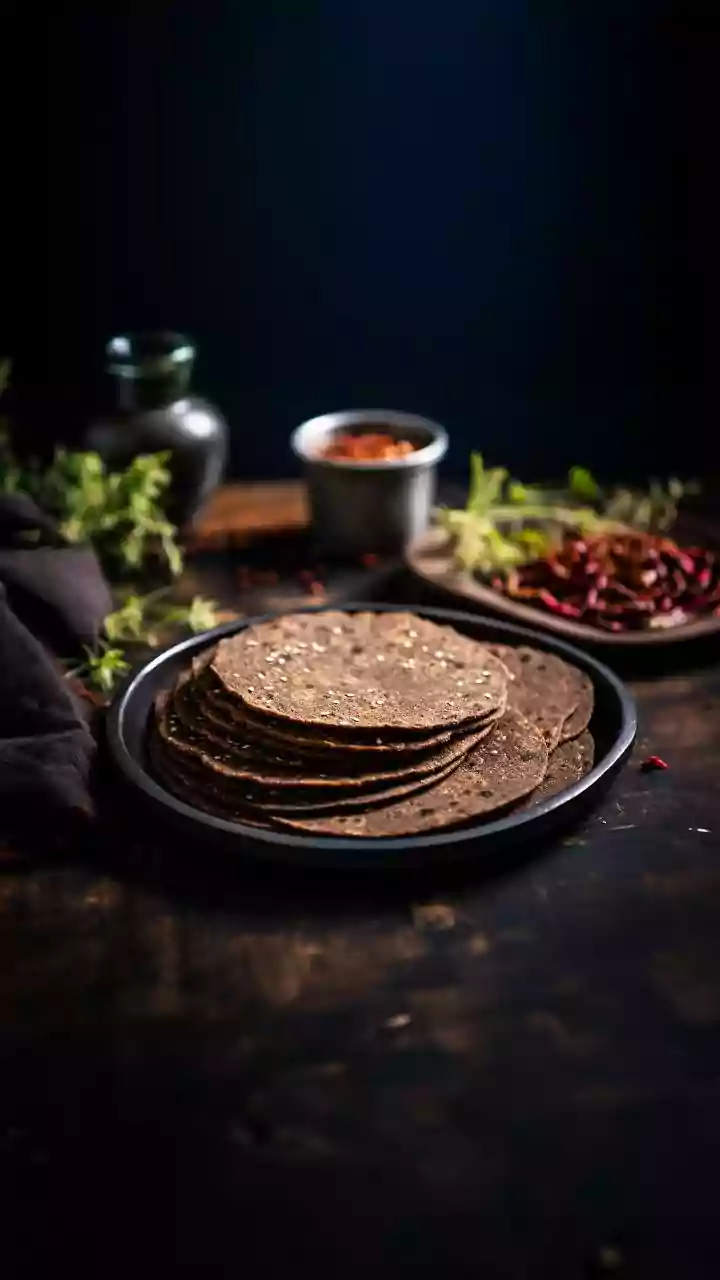
kitchens, derives its depth from the slow-cooked fusion of whole black gram (sabut urad) and Bengal gram (chana). It embodies the philosophy that simplicity, when executed with devotion and patience, can yield the most gratifying culinary results. Chef Sanjeev Kapoor emphasizes that this dal’s richness and creamy consistency are achieved without the need for heavy creams or complex techniques, relying instead on the inherent qualities of the ingredients and a meticulous cooking process. Its comforting nature and nourishing profile make it a perfect accompaniment to everyday rotis and rice, offering a taste of home and heritage with every spoonful.
Preparing the Lentils
The journey to perfect Langarwali Dal begins with meticulous preparation of the key ingredients: whole black gram and Bengal gram. It is crucial to wash these lentils thoroughly, rinsing them multiple times, about 2-3 washes, to ensure they are clean. Following the washing, they should be soaked in ample water for a significant period, ideally 6 to 8 hours, to allow them to soften and hydrate. Once soaked, they are drained and then transferred to a pressure cooker. Here, they are cooked with water, a portion of turmeric powder (specifically ½ teaspoon), 1 teaspoon of red chilli powder, and salt to taste. The pressure cooking process typically requires 4 to 6 whistles, ensuring the lentils are tender and ready for the next stage of flavour development.
Crafting the Flavor Base
While the lentils are undergoing their initial cooking, the aromatics and flavour base for the dal can be prepared. This involves finely slicing two medium-sized onions. Complementing the onions, green chilies, garlic cloves (approximately 6-8), and a piece of ginger (about 1 inch) are crushed together, traditionally using a mortar and pestle, to create a potent flavour paste. In a deep pan, 2 tablespoons of ghee are heated, and 1½ teaspoons of cumin seeds are added, allowing them to splutter and change colour. The sliced onions are then introduced to the hot ghee and sautéed until they achieve a lovely golden-brown hue. This caramelization of the onions is a vital step in building the dal's foundational flavour.
Building Depth of Flavor
Once the onions are golden, the prepared crushed paste of green chilies, garlic, and ginger is added to the pan. This mixture is sautéed for about a minute, just long enough for the raw aroma of the spices to dissipate. Next, two medium tomatoes are added and mixed in, allowing them to soften and break down. Following this, the remaining spice powders are incorporated: 1¼ teaspoons of turmeric powder, 2½ teaspoons of red chilli powder, 1½ teaspoons of coriander powder, and 1½ teaspoons of garam masala powder. These spices are thoroughly mixed and sautéed on low heat for 2 to 3 minutes, allowing their flavours to bloom in the ghee and oil. A small amount of water is added, mixed well, and cooked for another 1 to 2 minutes to prevent the spices from burning and to meld their tastes.
Finishing Touches and Serving
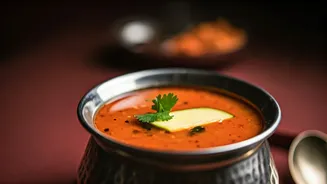
With the flavour base fully developed, it's time to combine it with the cooked lentils. The pressure-cooked dal is added to the spiced mixture in the pan. The salt is adjusted as needed, ensuring the seasoning is perfect. Using a wooden churner or the back of a ladle, the grams are gently mashed against the side of the pan. This process helps to thicken the dal and create its characteristic creamy texture without relying on external thickeners. The dal is then allowed to simmer for approximately 5 minutes, allowing the flavours to meld beautifully. Finally, 2 tablespoons of freshly chopped coriander leaves are stirred in for a burst of freshness. The Langarwali Dal is then taken off the heat and served hot, traditionally with an extra drizzle of ghee on top for added richness.