







Hidden Activity Drop
You might be unknowingly reducing your overall energy expenditure outside of dedicated workouts. This includes subtle changes in daily activities like
walking less, standing for shorter periods, or engaging in fewer spontaneous movements throughout the day. When you exercise, your body may compensate by becoming more sedentary during non-exercise times, leading to a net decrease in calories burned that you might not even notice. This phenomenon is often referred to as non-exercise activity thermogenesis (NEAT), and a reduction in NEAT can significantly impact your metabolic rate and hinder weight loss efforts, even if your gym routine remains consistent.
The Sleep Saboteur
Insufficient or poor-quality sleep can profoundly disrupt your weight management efforts. Studies indicate that sleep restriction can lead to an average daily increase in calorie intake of approximately 300 kcal. This occurs because lack of sleep affects the hormones that regulate hunger and satiety, leading to increased cravings for calorie-dense foods and a diminished feeling of fullness. Furthermore, sleep deprivation can impact your food choices, often prompting a preference for sugary and fatty items, thereby creating a calorie surplus that works against your weight loss goals.
Ultra-Processed Foods' Impact
Consuming ultra-processed foods can significantly hinder weight loss and trigger plateaus by interfering with your body's natural regulatory mechanisms for hunger, metabolism, and fat storage. Research has demonstrated that individuals consuming diets rich in ultra-processed items tend to ingest approximately 500 more kcal per day compared to those on unprocessed diets. In a controlled study, this dietary pattern led to a weight gain of about 0.9 kg within 14 days, highlighting the potent effect these foods have on calorie balance and body composition.
Insulin Resistance Factors
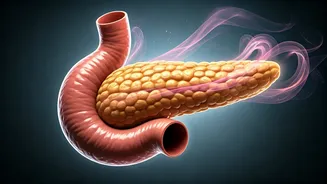
Insulin resistance fundamentally alters how your body manages and utilizes energy. This condition is closely associated with the accumulation of visceral fat (fat around internal organs), fatty liver disease, elevated triglyceride levels, and compromised glucose regulation. When your cells become less responsive to insulin, your pancreas works harder to produce more, leading to persistently high insulin levels. This hormonal imbalance can promote fat storage, particularly in the abdominal area, and make it considerably more difficult for your body to burn stored fat for energy, thereby stalling weight loss progress.
Hormonal Shifts
Hormonal fluctuations, such as those experienced during Polycystic Ovary Syndrome (PCOS) and menopause, can significantly impact weight regulation. PCOS is frequently linked to insulin resistance, further complicating weight management. During menopause, a decline in estrogen levels often causes a redistribution of body fat, leading to increased storage around the abdomen. These hormonal changes can alter your metabolism and how your body responds to diet and exercise, meaning that strategies that were effective earlier in life may become less successful.
Medications and Weight
Certain medications can inadvertently make fat loss more challenging as a side effect. This includes various classes of drugs such as some antidepressants, antipsychotics, glucocorticoids (steroids), insulin, certain diabetes medications, and some blood pressure medications. These drugs can affect appetite, metabolism, water retention, or directly influence fat storage pathways, all of which can impede your body's ability to shed excess weight, even when you are diligent with your lifestyle changes.
Mitochondrial Health
Mitochondria, the powerhouses of our cells, play a vital role in energy production. When mitochondrial function is impaired, it can negatively affect overall metabolic health. This compromised efficiency in energy production is often linked to insulin resistance and poorer regulation of energy within the body. A decline in mitochondrial health can lead to reduced metabolic flexibility, making it harder for your body to switch between burning carbohydrates and fats for fuel, thereby contributing to weight management difficulties.