





Gut Health's Central Role
The health of our digestive system serves as a cornerstone for overall well-being, influencing interconnected bodily systems. Recognizing the gut's pivotal
position, adopting a supportive dietary regimen is essential. However, simply adding probiotic-rich foods isn't the complete solution. Many individuals make the mistake of believing that consuming probiotics is the sole determinant of a healthy gut microbiome. While these beneficial bacteria play a role, they are not the entire story. True gut health optimization requires a more comprehensive approach that goes beyond the conventional understanding of probiotic supplements and fermented foods. Understanding this often-overlooked aspect is critical for unlocking the full potential of your gut health and, consequently, your body's overall functionality.
The Thirty-Plant Powerhouse
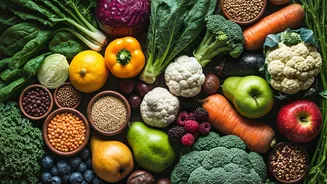
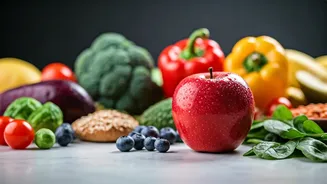
An endocrinologist has highlighted a crucial, yet often overlooked, strategy for enhancing gut health: diversifying your diet with a minimum of thirty different plant-based foods each week. This approach moves beyond the limited scope of probiotics to encompass a much broader spectrum of nutrients vital for a robust microbiome. By incorporating a wide array of legumes, fruits, vegetables, herbs, and spices, you provide your gut with the essential elements it needs to thrive. This dietary richness doesn't just benefit the gut directly; it can lead to improved hormone balance, a more efficient metabolism, better weight regulation, and a reduction in inflammation. Essentially, by nourishing your gut with a varied plant-based diet, you are indirectly supporting major physiological functions, creating a ripple effect of health benefits throughout your body. This emphasis on diversity ensures you're not missing out on crucial micronutrients and fibers that are fundamental for a healthy gut ecosystem.
Fiber and Hydration Pillars
Beyond the emphasis on diverse plant intake, two other fundamental elements are crucial for a flourishing gut: sufficient dietary fiber and adequate hydration. Fiber, a component often found abundantly in the recommended array of fruits, vegetables, and whole grains, plays a vital role in maintaining regularity and preventing constipation, thereby supporting the smooth passage of food through the digestive tract. Furthermore, fiber acts as nourishment for beneficial gut bacteria, promoting a diverse and healthy microbial community. Aiming for a daily intake of 25-30 grams of fiber is a significant target for optimal gut function. Complementing this is the essential role of water. Staying well-hydrated ensures that food is properly processed and that the gut bacteria can function optimally. Dehydration can impede digestive processes and negatively impact the delicate balance of the gut microbiome, underscoring the importance of consistent water consumption throughout the day for comprehensive gut care.