






Arrival in Norway
Embarking on your Norwegian adventure begins with understanding your entry points. Oslo Gardermoen serves as the primary international gateway, welcoming
direct flights from major UK cities like London, Manchester, and Edinburgh, serviced by several reputable airlines. For alternative arrivals, Bergen and Stavanger also offer direct connections from the UK. Beyond air travel, Norway is well-connected to mainland Europe by rail, featuring convenient overnight services linking Oslo with Copenhagen, Stockholm, and Gothenburg. Ferry services provide another viable option, with routes from Denmark, Sweden, and Germany docking at various Norwegian ports including Oslo, Kristiansand, Bergen, Larvik, and Stavanger, offering a scenic maritime approach to the country.
Getting Around Seamlessly
Navigating Norway's diverse terrain is an experience in itself, and several options cater to different travel styles. For those prioritizing flexibility and the opportunity to explore at their own pace, renting a car is an excellent choice, with all major rental companies available. The nation's rail network is highly efficient, offering comfortable journeys through spectacular scenery. Particularly noteworthy is the Flåm Railway, a marvel of engineering that descends steeply towards the Aurlandsfjord in southern Norway, presenting one of the most dramatic rail experiences globally. Along the extensive coastline, a reliable passenger ferry service connects most coastal towns and islands, with detailed route information readily accessible online. The historic Coastal Express, established in 1893 for both passenger and cargo transport, continues to operate, making 34 stops between Bergen and Kirkenes, offering a unique way to witness the coastal grandeur.
Budgeting for Your Trip
While Norway is recognized as a relatively expensive destination, smart planning can significantly help manage your expenses. Adhering to the general travel advice of visiting during the off-peak or shoulder seasons can lead to savings on accommodation and flights. Beyond these general tips, embrace Norway's natural offerings, which are often free. Activities like hiking through national parks, cycling along scenic routes, and camping under the vast skies are readily available and cost nothing, providing unparalleled access to the country's beauty. While dining out can be costly, a more economical and enjoyable approach involves shopping at local farm shops or supermarkets and preparing your own meals, perhaps at a campsite kitchen. This not only saves money but also offers a rewarding culinary experience.
Optimal Travel Times
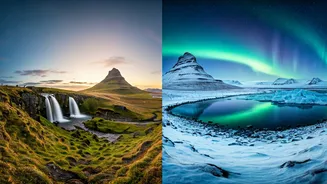
Choosing the right time to visit Norway greatly influences the experiences you'll have. For those seeking pleasant weather and the unique phenomenon of the midnight sun, the summer months from June to August are ideal. During July, expect average temperatures ranging from 15-22°C in the south and 8-15°C in the north. Conversely, if your goal is to witness the enchanting Northern Lights and enjoy winter sports like cross-country skiing, the period from October to April is recommended. Winter temperatures in the south hover around 0-3°C in December, while the north experiences colder conditions, typically between -15°C and -5°C. The shoulder months of May and September offer a milder climate, with average highs around 16°C in the south and 10°C in the north, presenting a good balance for exploration.
Pre-Trip Immersion
To truly immerse yourself in the Norwegian spirit before your journey, consider engaging with its rich cultural landscape. For a taste of Oslo's vibrant cultural scene, the Oscar-nominated film 'Sentimental Value' (2025), starring Stellan Skarsgård, offers a compelling viewing experience. For a lighter, more fantastical exploration of Norwegian folklore and landscapes, the 2022 film 'Troll' provides an entertaining mythological adventure. Literature enthusiasts can delve into Tarjei Vesaas's 1963 novel, 'The Ice Palace,' which masterfully captures the essence of Norwegian winter scenery. Furthermore, a deep dive into Henrik Ibsen's seminal 1879 play, 'A Doll's House,' is highly recommended for understanding 19th-century Norwegian society and its marital dynamics, offering a foundational literary perspective.